
Breathing Exercises That Actually Calm a Stressed Nervous System

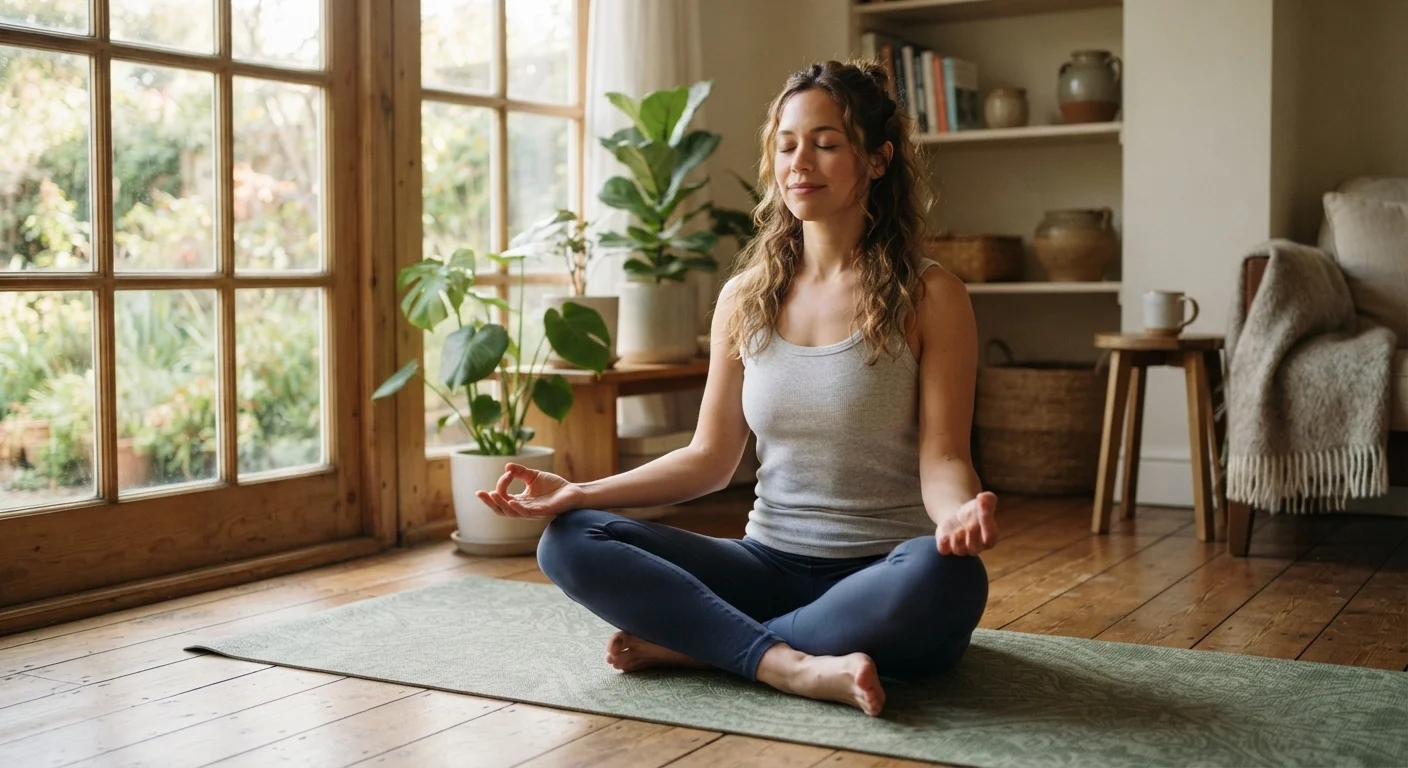
Photo: TargetReads.com | Explore Engaging Reads editorial
Key Takeaways
- Slow, controlled breathing activates the parasympathetic nervous system, counteracting the stress response.
- Several distinct techniques exist, each suited to different stress situations and experience levels.
- Consistency matters more than duration - even a few minutes of daily practice can build resilience over time.
- Breathing exercises complement other evidence-based approaches to stress management but do not replace professional care.
- Most techniques are safe for healthy adults and can be practiced without any equipment.
Why Your Breath Is a Direct Line to Your Nervous System
Most bodily functions governed by the autonomic nervous system - heart rate, digestion, immune response - are not under voluntary control. Breathing is the notable exception: you can do it automatically, or you can direct it consciously. That dual access makes it a uniquely powerful lever for shifting your physiological state.
When stress activates the sympathetic nervous system, breathing typically becomes faster and shallower, originating from the chest rather than the diaphragm. This pattern sustains the stress response. Deliberately reversing it - slowing the breath and deepening the exhale - sends inhibitory signals through the vagus nerve that promote a parasympathetic shift. Heart rate variability (a measure of nervous system flexibility) increases, and perceived tension typically decreases within minutes.
This is not a fringe claim. A 2023 systematic review published in peer-reviewed literature found that slow-paced breathing practices consistently reduced self-reported stress and anxiety across multiple study populations. The effect is modest and varies by individual, but the evidence base is solid enough that breathing techniques appear in clinical guidelines for stress management.
When to Seek Professional Support
Understanding the mechanism makes it easier to practice with intention rather than hoping something vague will happen. The techniques that follow build on this foundation.
Preparing to Practice: What You Need to Know First
What you will need
No expensive equipment or prior experience is required. What matters most is posture and intention. Sit upright in a chair or cross-legged on the floor, or lie flat on your back - any position that keeps your airway open and your body relaxed. Placing one hand on your chest and one on your abdomen is a useful self-check: effective diaphragmatic breathing should move the lower hand more than the upper.
Timer or Clock
Allows you to track breath counts or session duration without checking a device repeatedly.
Comfortable Chair or Yoga Mat
Provides a stable, comfortable surface so posture does not distract from the breathing practice.
Choose a time when you are unlikely to be interrupted. Even five minutes is enough to observe a meaningful shift. If you are new to intentional breathwork, start with just one technique and practice it for a week before adding others.
Build a Simple Daily Practice
Choosing the Right Technique for the Moment
Not every breathing method suits every situation. A quick reference:
- Diaphragmatic breathing - best as a daily foundation practice or when you first notice stress building.
- Box breathing - effective for acute stress spikes when you need to reset fast and think clearly.
- 4-7-8 breathing - well-suited to winding down before sleep or after a demanding day, when the breath-hold is tolerable.
- Alternate nostril breathing - useful when the mind feels scattered and you want a grounding, meditative effect.
Follow the step-by-step instructions above to learn each one. If one technique causes discomfort or feels forced, move to another - individual response varies, and no single method works identically for everyone.
Lightheadedness Is a Signal to Stop
This article is for general informational purposes only and is not medical advice. Always consult a qualified healthcare professional regarding symptoms, conditions, or any changes to your health practices.
The content on this site is for informational purposes only and is not a substitute for professional advice. Always consult a qualified professional for guidance specific to your situation.