
The Science Behind Why Stress Makes You Feel Physically Sick

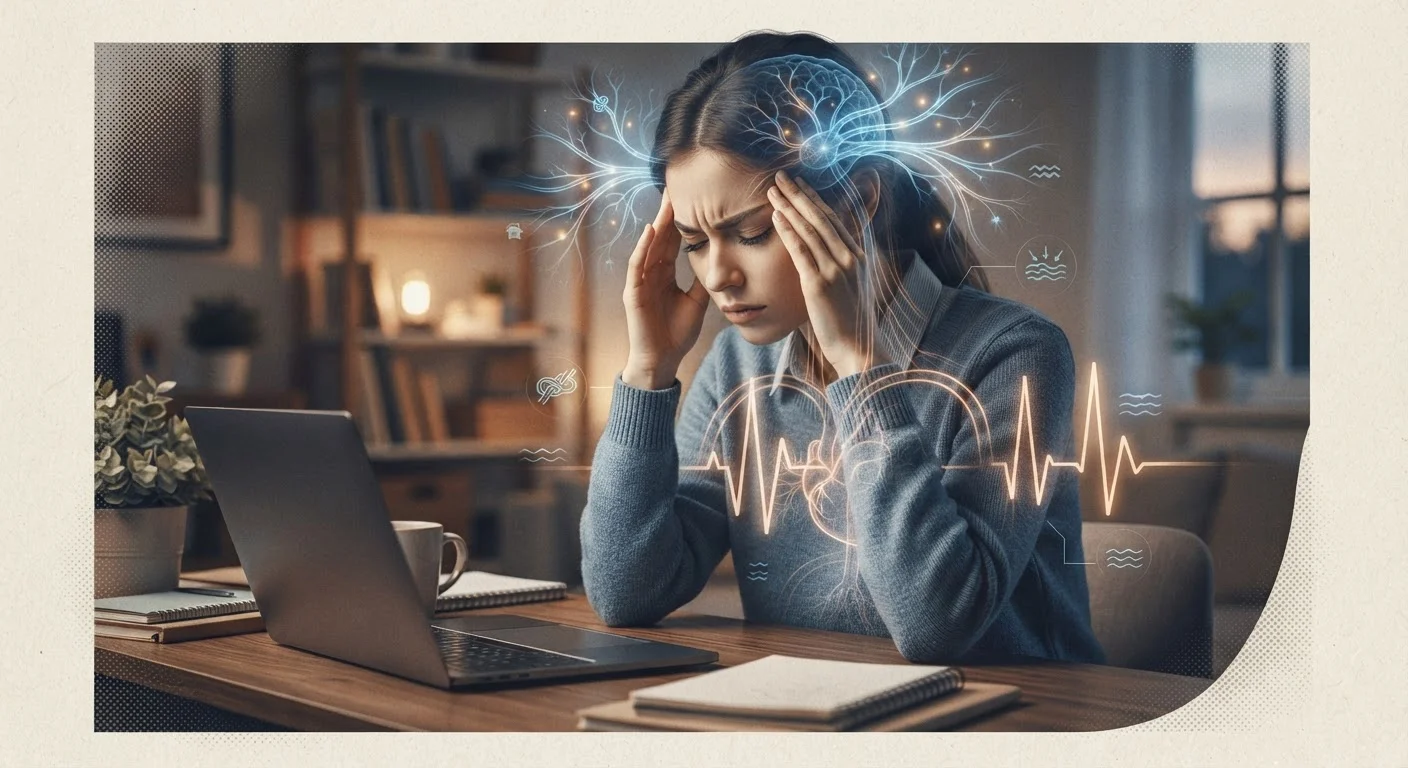
Photo: TargetReads.com | Explore Engaging Reads editorial
Key Takeaways
- Stress triggers a hormonal cascade that produces measurable physical changes in the body.
- Cortisol and adrenaline are the primary stress hormones responsible for most physical symptoms.
- Chronic stress keeps the body in a prolonged alert state, which can wear down multiple organ systems.
- Headaches, digestive upset, muscle tension, and sleep disruption are among the most common physical signs of stress.
- Understanding the mechanism can help people recognize stress symptoms earlier and seek appropriate support.
What Happens Inside Your Body When You're Stressed
When the brain perceives a stressor - whether a looming deadline or a near-miss on the highway - it triggers an almost instantaneous biological response. The hypothalamus, a small region at the base of the brain, acts as the command center, signaling the adrenal glands to release adrenaline (epinephrine) and cortisol into the bloodstream.
Adrenaline produces the immediate effects most people recognize: a racing heart, rapid breathing, dilated pupils, and a surge of energy. This is the classic fight-or-flight response - an evolutionary mechanism designed to help the body react to danger quickly. Cortisol follows, sustaining that alert state by raising blood sugar for available energy, suppressing non-urgent functions like digestion, and modulating the immune response.
These changes are genuinely useful when facing a real, short-term threat. The problem arises when the stress signal does not switch off.
77%
Adults reporting physical stress symptoms
According to American Psychological Association survey data, a substantial majority of adults report experiencing physical symptoms they associate with stress, including fatigue, headaches, and upset stomach.
2-3x
Increased illness risk under chronic stress
Research reviewed in peer-reviewed psychological and immunology journals suggests people under chronic stress show substantially elevated susceptibility to common infections compared to low-stress counterparts.
43%
Adults whose stress affects sleep
APA survey data has repeatedly found that a large proportion of American adults report that stress disrupts their ability to fall or stay asleep.
How Stress Produces Physical Symptoms
The physical symptoms of stress are not imagined - they are direct byproducts of the hormonal and neurological changes happening in real time. Here is what researchers have established about the most common ones:
- Headaches and muscle tension: Stress causes muscles to tighten, particularly in the neck, shoulders, and scalp. Prolonged tension in these areas is a well-documented trigger for tension-type headaches.
- Digestive disturbances: Stress slows or disrupts normal gut motility through the gut-brain axis - the two-way communication network between the central nervous system and the enteric nervous system lining the gastrointestinal tract. This can result in nausea, stomach cramps, diarrhea, or constipation.
- Fatigue: Sustaining heightened physiological arousal is metabolically costly. Prolonged stress depletes energy reserves, disrupts sleep architecture, and leaves the body feeling exhausted even without physical exertion.
- Rapid heartbeat and chest tightness: Adrenaline increases heart rate and can cause the sensation of a pounding chest. While typically harmless in brief episodes, these symptoms warrant medical evaluation if they are frequent or severe.
- Weakened immune function: Chronic elevation of cortisol suppresses the activity of immune cells. Research published in peer-reviewed journals, including work synthesized in Psychological Bulletin, has documented consistent links between psychological stress and reduced immunity.
“The mind and body are not separate. What affects one, affects the other. Stress is not just a psychological experience - it is a whole-body biological event.”
— Esther Sternberg, Physician and researcher, author of work on the mind-body connection and neuroimmunology
Why Chronic Stress Is Different From Acute Stress
A brief, intense stressor - a job interview, a difficult conversation - resolves and the body returns to baseline. Chronic stress is different: the physiological alarm stays on, and the body never fully recovers between episodes.
Over time, persistently elevated cortisol begins to affect systems beyond the immediate fight-or-flight response. Inflammation markers rise. Sleep quality degrades. Cardiovascular strain accumulates. The immune system operates below its normal capacity. This is why researchers distinguish between the adaptive short-term stress response and the allostatic load - the cumulative wear on the body from sustained stress exposure.
If you find that worry feels constant rather than situational, the distinction between ongoing stress and anxiety becomes clinically meaningful. Understanding chronic stress vs. anxiety explores this difference in depth.
Recognizing Stress Symptoms Early Matters
The Role of Lifestyle in Buffering the Stress Response
Research consistently shows that certain habits moderate how intensely the body responds to stress - and how quickly it recovers. Physical activity and mental health have a well-documented relationship: regular moderate exercise reduces baseline cortisol levels and supports the nervous system's ability to regulate its own arousal.
Sleep is equally important. During slow-wave and REM sleep, the body actively downregulates cortisol and consolidates the nervous system's recovery. Chronic sleep deprivation both increases stress reactivity and impairs the physiological reset the body needs.
Social connection, adequate nutrition, and practices such as diaphragmatic breathing or mindfulness have demonstrated measurable effects on HPA axis regulation in controlled studies - though they are supportive tools, not substitutes for professional care when stress is severely affecting daily function.
This article is for general informational and educational purposes only. It is not a substitute for professional medical advice, diagnosis, or treatment. If you are experiencing persistent or distressing physical symptoms, please consult a qualified healthcare professional.
Frequently Asked Questions
The content on this site is for informational purposes only and is not a substitute for professional advice. Always consult a qualified professional for guidance specific to your situation.