
Fitness for Absolute Beginners: Setting Realistic Expectations from Day One

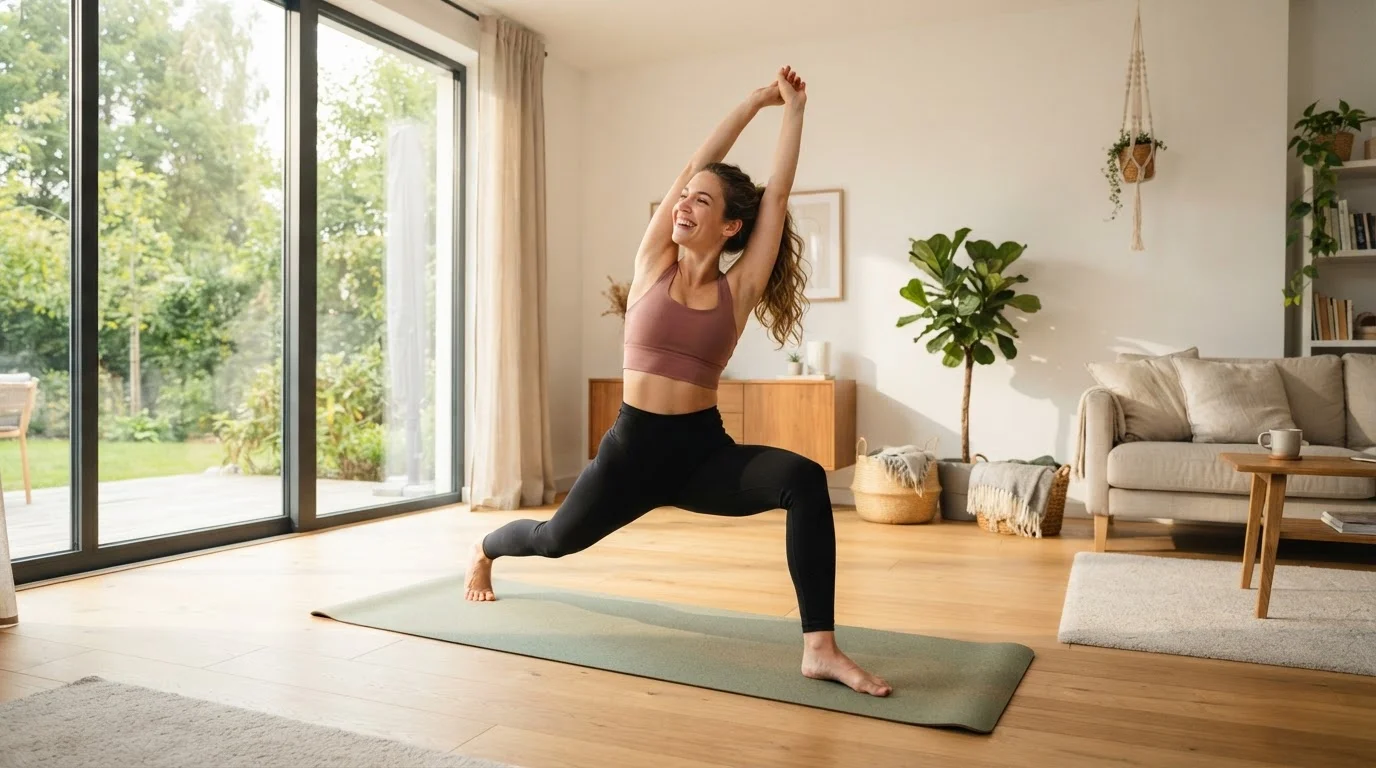
Photo: TargetReads.com | Explore Engaging Reads editorial
Key Takeaways
- Most beginners fail by starting too hard, too fast - consistency beats intensity at the start.
- Physical fitness improvements take weeks to become noticeable; patience is essential.
- Even 20-30 minutes of moderate activity most days delivers meaningful health benefits.
- Tracking how you feel - not just the scale - gives a more complete picture of progress.
- People with chronic conditions or long breaks from exercise should consult a doctor first.
Why Most Beginners Quit (And How to Avoid It)
Research consistently shows that a large percentage of people who start a new exercise routine abandon it within the first few months. The most common reason is not lack of willpower - it is unrealistic expectations combined with an approach that is too aggressive too soon.
When beginners try to do too much at once, soreness, fatigue, and disappointment follow quickly. The body needs time to adapt to new physical demands, and that adaptation is a gradual biological process - not something that can be forced in a weekend.
Start Smaller Than You Think You Should
The antidote is to start smaller than you think you need to. If you are considering walking for 30 minutes, start with 15. If you are planning five days a week, commit to three first. Momentum built slowly is far more durable than ambition that burns out in week two.
What 'Getting Fit' Actually Means for a Beginner
Fitness is not a single destination - it is a collection of related physical qualities, including cardiovascular endurance, muscular strength, flexibility, and balance. For beginners, simply becoming more active than you currently are is the most meaningful first goal.
Moderate-intensity activity
Exercise that raises your heart rate and causes you to breathe harder, but still allows you to speak in sentences. Brisk walking, light cycling, and water aerobics are common examples.
DOMS
Delayed Onset Muscle Soreness - the muscle stiffness and tenderness that typically appears 24-48 hours after unfamiliar or intense exercise. It is common and usually resolves on its own within a few days.
Cardiovascular endurance
The ability of your heart and lungs to sustain physical activity over time. It improves with regular aerobic exercise such as walking, jogging, or swimming.
Habit stacking
A behavioural strategy where you attach a new habit (like exercise) directly to an existing daily routine to make it easier to remember and follow through.
Rest and recovery
The planned periods of reduced or no exercise that allow your muscles and connective tissues to repair and adapt. Recovery is when physical improvements actually occur, not during the workout itself.
The U.S. Department of Health and Human Services' Physical Activity Guidelines for Americans describe meaningful health benefits beginning at 150 minutes of moderate-intensity aerobic activity per week - roughly a 30-minute brisk walk five days a week. This is a practical, evidence-based benchmark for beginners, not a ceiling.
Equally important: fitness is not primarily about appearance. Improved sleep, reduced anxiety, better blood sugar regulation, and stronger bones are all well-documented outcomes of regular physical activity that have nothing to do with how you look.
How to Build a Sustainable Starting Routine
A sustainable beginner routine has three qualities: it is simple enough to repeat, short enough to complete even on busy days, and flexible enough to grow with you. Here is a practical framework:
- Choose one primary activity you genuinely do not hate - walking, cycling, swimming, or bodyweight movements at home are all solid starting points.
- Anchor it to an existing habit - after your morning coffee, during a lunch break, or before dinner. Habit stacking makes consistency easier.
- Start at a comfortable intensity - you should be able to hold a conversation while exercising. If you cannot, slow down.
- Plan rest days deliberately - muscles repair and grow during rest, not during the workout itself.
If you have been away from physical activity for an extended period, our pre-exercise health checklist can help you assess your readiness before you begin.
Tracking Progress Without Obsessing Over Results
Progress tracking helps beginners stay motivated, but it can also become a source of frustration if focused too narrowly on a single metric like body weight. Weight fluctuates daily due to hydration, hormones, and food volume - it is a poor short-term indicator of fitness progress.
More informative measures include:
- How far or how long you can walk or exercise before feeling winded
- Whether a previously difficult task now feels easier
- Quality of sleep and overall energy levels through the week
- Mood and stress levels on days you exercise versus days you do not
Progress Looks Different for Everyone
Just as building a savings habit requires tracking small wins over time, fitness progress rewards consistent attention to incremental gains rather than dramatic overnight change. Celebrate the small milestones.
When to Seek Professional Guidance
General health information - including this guide - is educational and not a substitute for personalised medical or professional advice. Several situations call for a conversation with a qualified professional before or during a new fitness routine:
- You have a diagnosed chronic condition such as heart disease, diabetes, osteoporosis, or joint problems.
- You are pregnant or in the postpartum period.
- You are over 40 and have been sedentary for a long time.
- You experience chest pain, dizziness, or shortness of breath during mild activity.
- You have had a recent injury or surgery.
Physical Activity Guidelines for Americans
Published by the U.S. Department of Health and Human Services, this resource outlines evidence-based recommendations for how much and what types of physical activity benefit health across all age groups.
Pre-Exercise Health Checklist for Adults
Our practical checklist walks adults returning to fitness through the key steps to assess readiness, minimise injury risk, and plan a safe re-entry into regular physical activity.
A primary care physician can assess your baseline health and clear you for activity. A certified personal trainer or exercise physiologist can design a program appropriate for your current fitness level and goals. Neither step is optional for people in the above categories.
This article is for general informational and educational purposes only and does not constitute medical advice. Always consult a qualified healthcare professional before starting a new exercise program, particularly if you have any existing health conditions or concerns.
Frequently Asked Questions
The content on this site is for informational purposes only and is not a substitute for professional advice. Always consult a qualified professional for guidance specific to your situation.