
Hydration Habits That Support Daily Physical Performance

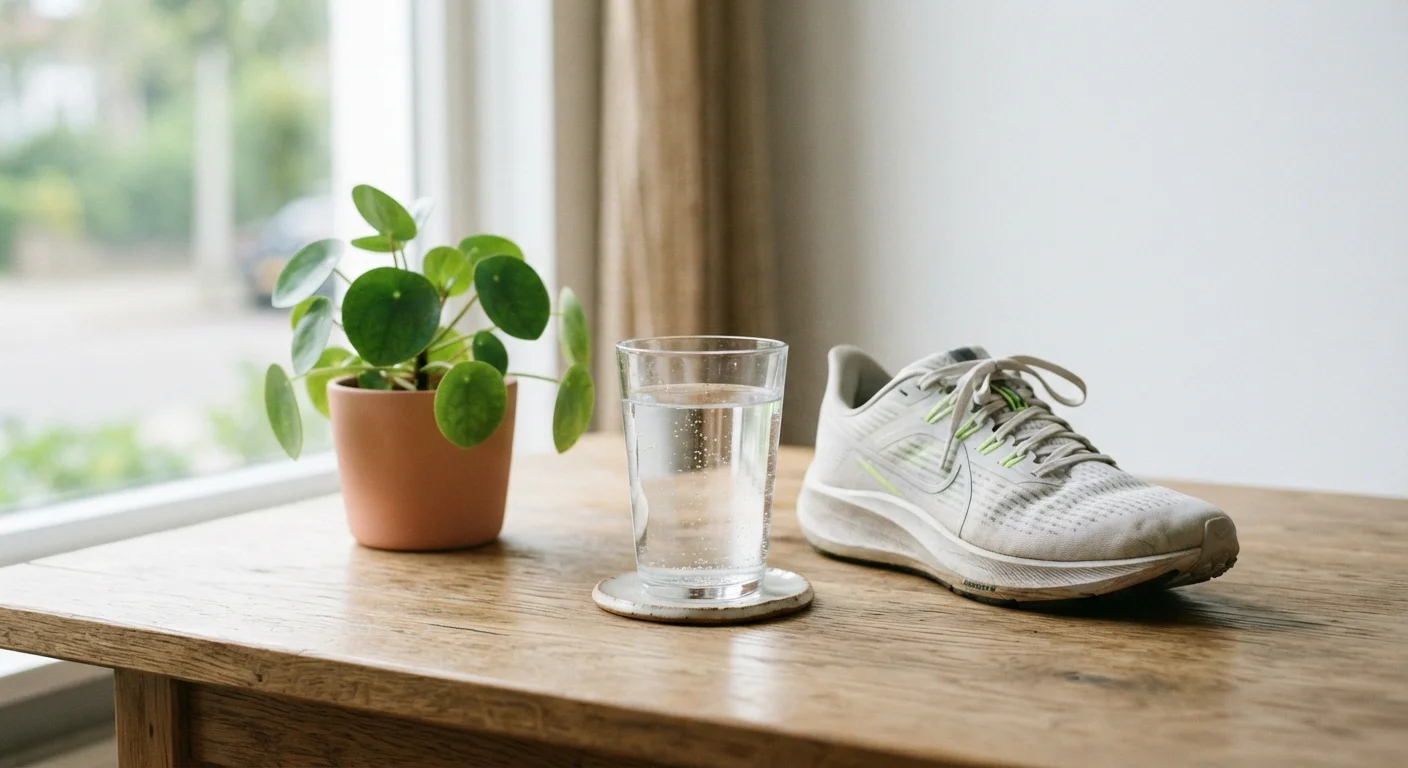
Photo: TargetReads.com | Explore Engaging Reads editorial
Key Takeaways
- Mild dehydration - even before thirst sets in - can reduce physical and cognitive performance.
- Fluid needs vary by body size, activity level, climate, and individual health factors.
- Timing your fluid intake around meals and exercise helps your body absorb and use water more effectively.
- Plain water is generally the most effective everyday hydration source for most adults.
- Urine color is a practical, low-cost indicator of your day-to-day hydration status.
Why Everyday Hydration Matters More Than Most People Realize
Water is involved in virtually every physiological process - transporting nutrients, regulating body temperature, lubricating joints, and supporting kidney function. Despite this, many Americans move through their day in a state of mild, chronic under-hydration without recognizing it.
Research published in journals including the Journal of the Academy of Nutrition and Dietetics has consistently found that even a fluid deficit of 1-2% of body weight can impair physical endurance, concentration, and mood. By the time thirst registers strongly, dehydration may already be affecting performance.
For people with active daily routines - whether that involves desk work, manual labor, or regular exercise - understanding how hydration supports the body is a meaningful first step. Pairing good hydration with broader physical habits is also worthwhile; see our guide to building a weekly movement habit for complementary strategies.
This article provides general health information and education. It is not a substitute for personalized medical advice. Consult a qualified healthcare professional regarding your individual health needs.
Evidence-Backed Hydration Practices to Build Into Your Day
These practices reflect current guidance from bodies including the National Academies of Sciences and the CDC. Individual needs vary - factors like body size, health conditions, medications, heat exposure, and physical activity all influence how much fluid a person needs.
Start each morning with a glass of water before coffee or food.
Distribute fluid intake steadily across waking hours rather than drinking large amounts at once.
Increase fluid intake before, during, and after physical activity.
Count water-rich foods toward your daily fluid intake.
Adjust intake during hot weather, illness, or high-altitude environments.
Choose plain water as your primary hydration source most of the time.
Quick Wins: Start Improving Hydration Today
You don't need to overhaul your entire routine. Small, targeted changes often compound into meaningful improvements over time. The following actions require minimal effort and can be started immediately.
Hydration also connects to broader lifestyle patterns. Our article on lifestyle habits and preventive health explains how hydration fits alongside sleep, nutrition, and movement in the evidence base.
Reading the Signals: How to Monitor Your Hydration Status
Clinical assessment of hydration typically requires lab testing, but a simple, practical proxy is urine color. Pale yellow generally indicates adequate hydration; dark yellow or amber often suggests you need more fluid. Colorless urine may indicate overhydration, which - though less common - can also be a concern for endurance athletes consuming very large volumes of plain water rapidly.
Individual Fluid Needs Vary Considerably
Other signals worth noting include infrequent urination, dry mouth, headaches, and fatigue that has no clear cause. These aren't diagnostic - many conditions share these symptoms - but they can prompt you to check in with your fluid intake.
For context on how nutrition and hydration work together to support physical health, our guide to foods that support muscle and bone health offers useful complementary reading.
~75%
Americans estimated to be chronically under-hydrated
Frequently cited in public health literature, though precise figures vary; surveys consistently indicate most adults fall short of general fluid intake recommendations.
1-2%
Body weight fluid deficit that can impair performance
Multiple peer-reviewed studies have found that a fluid deficit as small as 1-2% of body weight noticeably reduces endurance and cognitive function.
The content on this site is for informational purposes only and is not a substitute for professional advice. Always consult a qualified professional for guidance specific to your situation.