
Sleep and Physical Health: The Recovery Connection Most People Underestimate

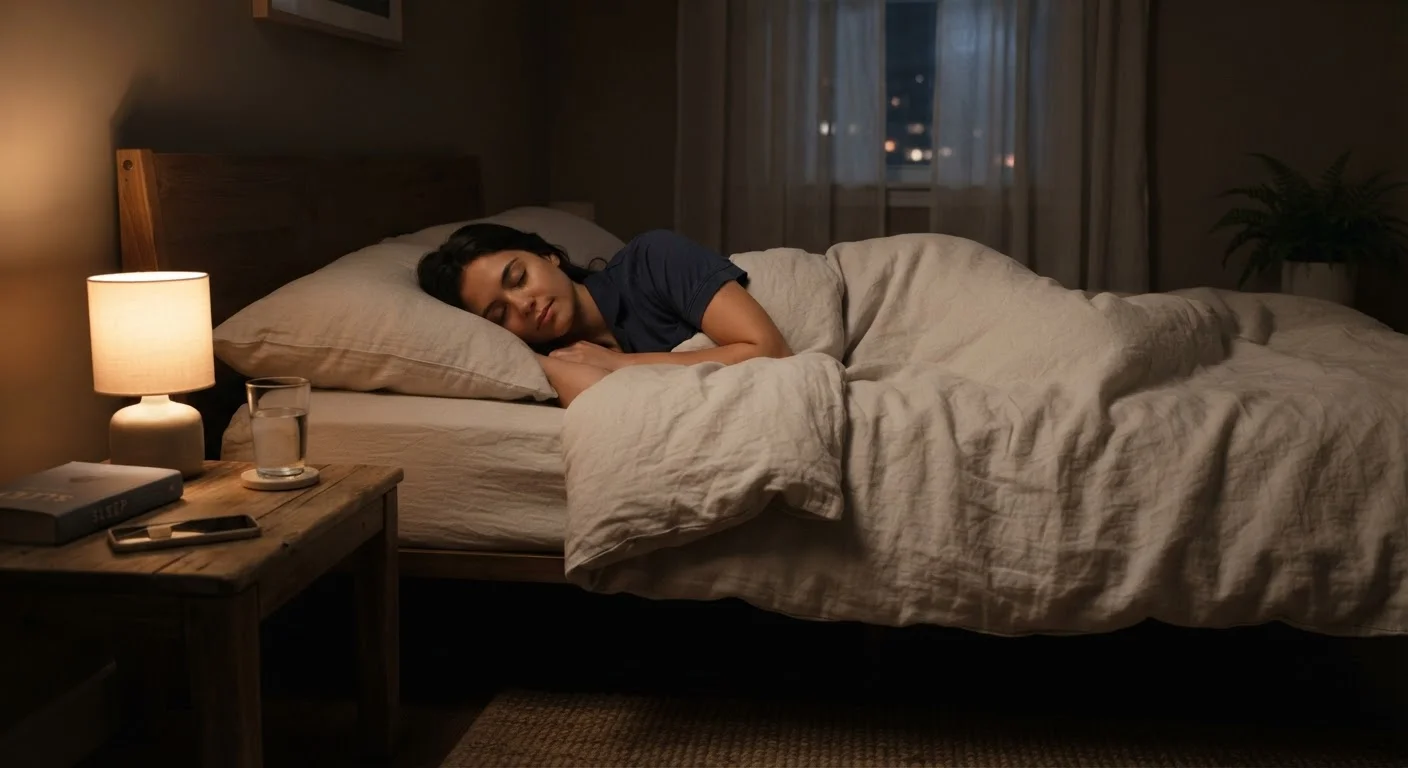
Photo: TargetReads.com | Explore Engaging Reads editorial
Key Takeaways
- Sleep is when the body repairs muscle tissue and releases growth hormone critical for physical recovery.
- Chronic sleep deprivation is linked to increased injury risk, slower healing, and metabolic disruption.
- Most adults need 7-9 hours of sleep per night, according to general guidance from sleep researchers.
- Sleep quality matters as much as sleep quantity - fragmented sleep undermines recovery even at adequate lengths.
- Simple behavioral changes can meaningfully improve both sleep duration and depth.
What Actually Happens to Your Body While You Sleep
Most people think of sleep as simply the absence of wakefulness. In reality, your body is running a highly organized maintenance program. During the deeper stages of sleep - particularly slow-wave sleep - the pituitary gland releases growth hormone, which is the primary driver of muscle protein synthesis and tissue repair. Micro-tears in muscle fibers caused by physical activity heal during this window. Skip the sleep, and those repairs are deferred.
Your immune system is also more active during sleep, deploying cytokines - proteins that coordinate immune response - at elevated levels. This is why illness often intensifies overnight and why people recovering from injury or surgery typically need more rest than usual. Sleep isn't supplementary to recovery; it is recovery.
The cardiovascular system benefits as well. Blood pressure naturally dips during sleep, giving the heart a lower-demand period that supports long-term cardiac health. Disrupted or insufficient sleep eliminates this nightly reprieve.
“Sleep is the single most effective thing we can do to reset our brain and body health each day. The physical restoration that occurs during sleep is not optional - it is a biological necessity.”
— Matthew Walker, Professor of Neuroscience and Psychology, University of California, Berkeley; author on sleep science
The Physical Costs of Chronic Sleep Deprivation
The effects of short-term sleep loss feel obvious: fatigue, sluggishness, difficulty concentrating. But the physical consequences of chronically insufficient sleep go much deeper and are often silent until they accumulate into measurable harm.
1 in 3
American adults not getting enough sleep
According to the CDC, more than one-third of American adults report regularly sleeping fewer than the recommended 7 hours per night.
70%
Higher injury rate in sleep-deprived athletes
A study published in the Journal of Pediatric Orthopaedics found adolescent athletes sleeping under 8 hours had substantially higher injury rates than those who slept more.
~5-6 hrs
Caffeine half-life in the body
Research on caffeine pharmacokinetics shows the substance remains active in the body for several hours, potentially disrupting sleep onset when consumed in the afternoon.
Metabolic function is particularly sensitive to sleep. The hormones ghrelin and leptin - which govern hunger and satiety respectively - shift unfavorably when sleep is cut short. Ghrelin rises, driving appetite; leptin falls, impairing the sensation of fullness. Over time, this hormonal environment can contribute to weight gain and changes in how the body handles glucose. Sleep deprivation has also been associated with reduced insulin sensitivity, a marker of metabolic risk.
Injury risk rises measurably with poor sleep. A widely cited study of adolescent athletes found that those sleeping fewer than eight hours per night were significantly more likely to report musculoskeletal injuries than peers who slept more. The mechanisms include degraded reaction time, impaired proprioception (awareness of body position), and reduced coordination - all of which make physical activity less safe. For more on how overtraining without adequate rest compounds these risks, see why skipping rest days can stall your progress.
Sleep Quality Versus Sleep Quantity
Hours in bed are not the same as restorative sleep. A person who spends eight hours in bed but experiences frequent nighttime wakings, sleep apnea (a condition where breathing repeatedly stops during sleep), or restless sleep may be getting far less slow-wave and REM sleep than the clock suggests.
Sleep architecture - the pattern of cycling through light sleep, deep sleep, and REM - matters for physical health. Deep non-REM sleep is when growth hormone peaks. REM sleep appears important for neural repair and consolidation of motor learning. Both are disrupted by alcohol consumption close to bedtime, irregular schedules, and certain sleep disorders.
When Sleep Problems May Signal More
This distinction matters because people who feel they are meeting sleep targets may still be experiencing recovery deficits if their sleep is fragmented or structurally shallow. If you consistently wake unrefreshed, experience loud snoring, or feel excessive daytime sleepiness, a healthcare provider can evaluate whether an underlying sleep disorder may be present.
Practical Habits That Support Physical Recovery Through Sleep
Improving sleep for physical recovery doesn't require radical change. Evidence points to a handful of consistent behaviors that have meaningful impact on both sleep quality and duration.
- Maintain a consistent sleep schedule. Going to bed and waking at roughly the same time daily - including weekends - reinforces your circadian rhythm, the internal clock that regulates hormone release and sleep staging.
- Create a cool, dark sleep environment. Core body temperature naturally drops at sleep onset. A cooler room (generally around 65-68°F for many adults, though individual preference varies) supports this process.
- Limit stimulants in the afternoon. Caffeine has a half-life of roughly five to six hours, meaning a late-afternoon coffee can still impair sleep onset hours later.
- Wind down with intent. Bright screens, intense exercise, and stimulating content close to bedtime can delay sleep onset by suppressing melatonin. A quieter pre-sleep routine signals the body that rest is approaching.
Treat Sleep Like a Training Variable
Sleep is part of the same continuum as nutrition and movement. Research increasingly frames it as a pillar of preventive health - not a lifestyle luxury. For a broader view of how sleep fits into evidence-based preventive habits, see the role of lifestyle habits in preventive health.
It's also worth noting that sleep's benefits extend beyond the physical. The relationship between sleep and emotional resilience is a parallel story - one where nightly rest shapes how the brain processes stress and regulates mood the following day.
This article is for general informational and educational purposes only and is not a substitute for professional medical advice. If you have concerns about your sleep or physical health, consult a qualified healthcare provider.
Frequently Asked Questions
The content on this site is for informational purposes only and is not a substitute for professional advice. Always consult a qualified professional for guidance specific to your situation.