
Blood Pressure Monitoring at Home vs. In-Office Readings: How Each Is Used

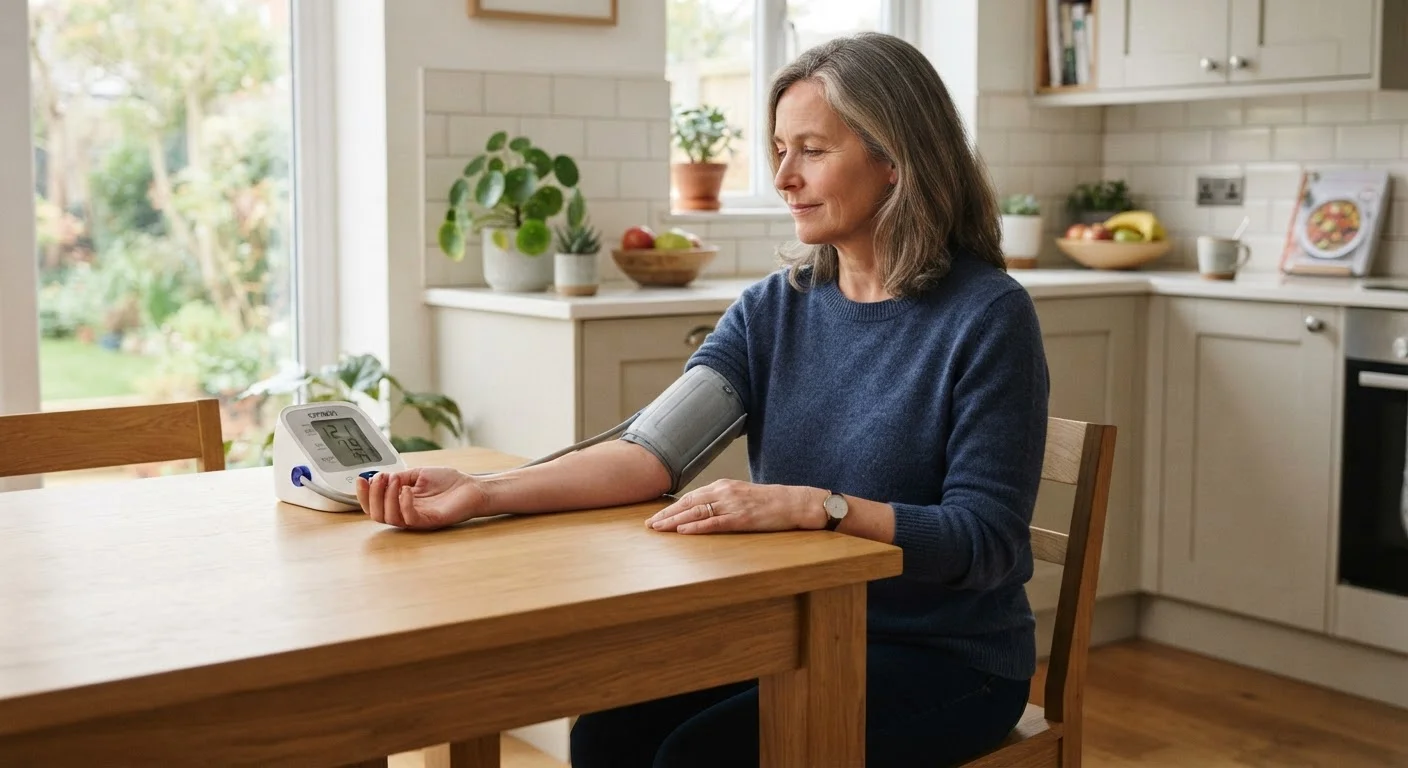
Photo: TargetReads.com | Explore Engaging Reads editorial
Key Takeaways
- Home and in-office blood pressure readings capture different physiological conditions and both inform clinical decisions.
- White coat hypertension and masked hypertension can only be identified by comparing readings from both settings.
- Healthcare providers typically recommend specific techniques to ensure home readings are accurate and consistent.
- Neither method alone is considered sufficient for diagnosing or managing high blood pressure in most cases.
- Always discuss your monitoring data with a qualified healthcare provider before drawing conclusions about your health.
Why Blood Pressure Measurement Context Matters
Blood pressure is not a fixed number — it fluctuates throughout the day in response to activity, stress, sleep, meals, and even the act of having it measured. This is why a single reading taken at a single moment rarely tells the whole story. Understanding the context in which a measurement is taken is fundamental to interpreting what it actually means for someone's health.
Healthcare providers use blood pressure readings as a key indicator of cardiovascular risk. According to the American Heart Association, normal blood pressure is generally defined as a systolic reading below 120 mmHg and a diastolic reading below 80 mmHg — but the reliability of any individual reading depends heavily on how and where it was obtained. That's why clinical guidelines increasingly recognize both home-based and office-based measurements as meaningful, distinct data sources.
Staying proactive about cardiovascular health often begins with understanding what your readings mean and how they're being used. This connects naturally to broader preventive care habits — much like understanding the difference between types of medical visits, which you can explore in our look at the annual physical vs. preventive wellness visit.
In-Office Blood Pressure Readings: Strengths and Limitations
Clinical blood pressure measurements are taken by a trained healthcare professional using calibrated, validated equipment. These readings are documented in your medical record and used for diagnosis, treatment planning, and tracking health trends over time. Their standardized nature makes them a reliable reference point within the healthcare system.
However, in-office readings have a well-documented limitation: some people consistently show higher blood pressure in a clinical setting than they do in everyday life. This phenomenon — known as white coat hypertension — is estimated to affect a meaningful portion of patients. It can result in overdiagnosis of high blood pressure and unnecessary treatment if not identified.
Other factors can also skew in-office readings: arriving hurried or stressed, not sitting quietly beforehand, or having caffeine recently. Most clinical protocols recommend patients sit quietly for several minutes and have two readings taken and averaged — but this protocol isn't always followed in busy practice settings.
| Home Monitoring | In-Office Readings | |
|---|---|---|
| Environment | Familiar, low-stress setting | Clinical, potentially anxiety-inducing |
| Frequency | Multiple times daily or weekly | Periodic — at scheduled appointments |
| Equipment accuracy | Varies; user technique dependent | Calibrated, standardized equipment |
| Detects white coat hypertension | Yes — reveals normal home readings | No — may show falsely high readings |
| Detects masked hypertension | Yes — captures daily elevations | No — may show falsely normal readings |
| Clinical documentation | Informal unless shared with provider | Formally recorded in medical record |
| Used for initial diagnosis | Supportive, not standalone | Primary diagnostic reference |
Home Blood Pressure Monitoring: Strengths and Limitations
Home monitoring allows individuals to measure blood pressure in a relaxed, familiar environment across multiple times of day and different days of the week. This produces a richer dataset than any single office visit can provide. Guidelines from organizations such as the American Heart Association recommend taking readings in the morning before medication and again in the evening, sitting quietly for five minutes beforehand, and recording results systematically.
One critical phenomenon that home monitoring can help detect is masked hypertension — a condition in which blood pressure appears normal in a clinical setting but is consistently elevated in daily life. Masked hypertension carries real cardiovascular risk and may be missed entirely if only office readings are used.
The primary limitation of home monitoring is accuracy. Consumer devices vary in quality, and improper technique — including incorrect cuff size, measuring over clothing, or not sitting properly — can produce readings that don't reflect true blood pressure. Validated upper-arm cuffs are generally recommended over wrist devices for accuracy.
Getting the Most Accurate Home Readings
How Providers Use Both Readings Together
Modern cardiovascular care increasingly relies on combining home and office data. When a provider sees elevated in-office readings alongside consistently normal home readings, they may investigate white coat hypertension further — sometimes using ambulatory blood pressure monitoring (ABPM), a wearable device that records readings automatically over 24 hours. Conversely, normal office readings paired with elevated home readings may prompt concern about masked hypertension.
For people already diagnosed with hypertension and on medication, home monitoring plays an especially useful role in tracking whether treatment is achieving consistent control throughout the day — including the early morning hours when cardiovascular risk tends to peak. This kind of longitudinal data is difficult to gather from periodic clinic visits alone.
~20%
Adults estimated to have white coat hypertension
Research published in hypertension literature estimates roughly one in five people show elevated blood pressure only in clinical settings.
~10–30%
Prevalence of masked hypertension
Studies suggest masked hypertension — normal office readings but elevated ambulatory readings — may affect a substantial share of adults.
Bringing a log of home readings to appointments — rather than relying on memory — gives providers a more complete picture. Many validated home monitors now offer apps or printable logs to simplify this process. Always discuss your readings with your provider rather than self-adjusting any medication or treatment plan.
This article is for general informational and educational purposes only and does not constitute medical advice. Always consult a qualified healthcare professional for guidance about your individual health, symptoms, or blood pressure management.
The content on this site is for informational purposes only and is not a substitute for professional advice. Always consult a qualified professional for guidance specific to your situation.