
Going to Preventive Visits: What to Bring, Ask, and Follow Up On

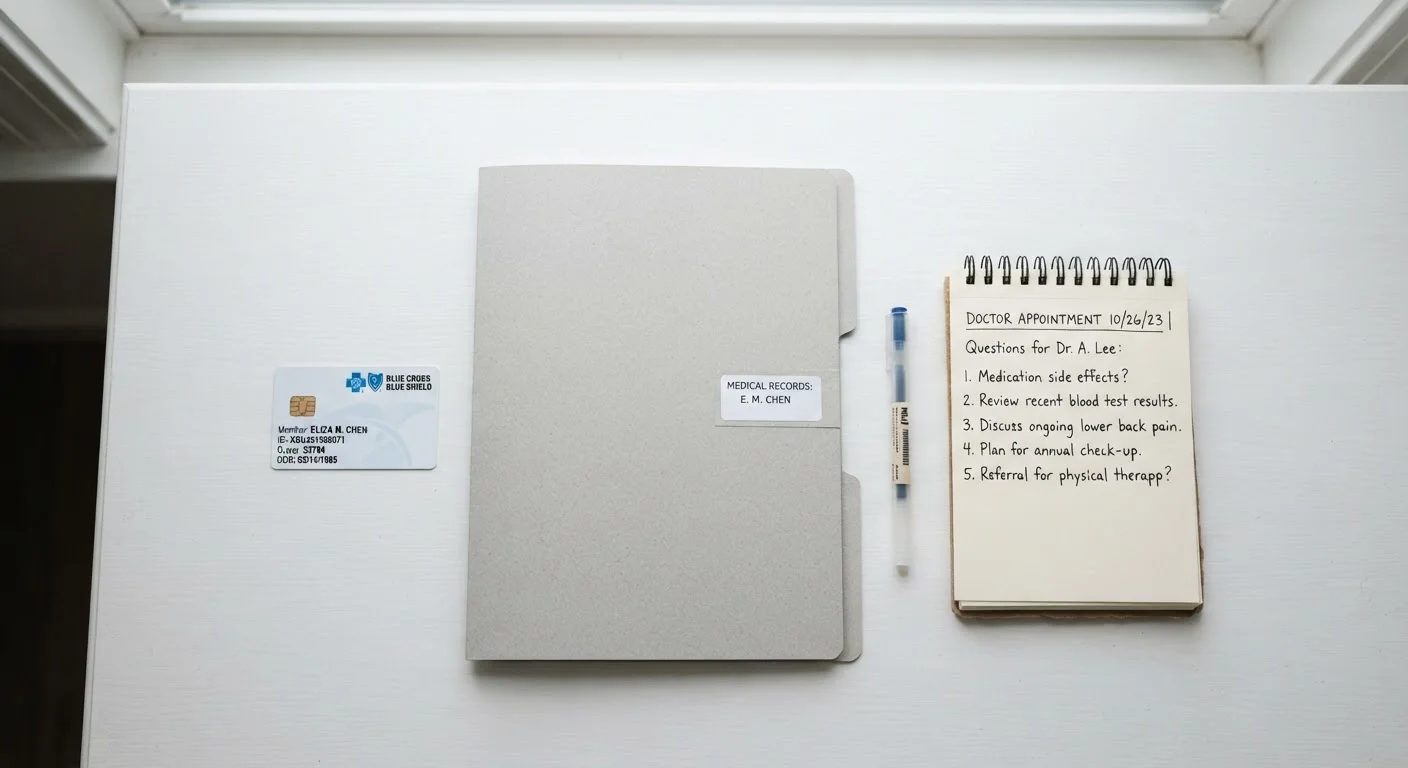
Photo: TargetReads.com | Explore Engaging Reads editorial
Key Takeaways
- Gathering key documents and a medication list before your visit saves time and improves care quality.
- Preparing specific questions in advance helps you leave with clear, actionable answers.
- Understanding your results and follow-up steps is as important as the appointment itself.
- Preventive visits are most effective when you treat them as an ongoing routine, not a one-time event.
Why Preparation Changes Everything
A preventive care visit is one of the most efficient tools available for catching health concerns early — but only when you use the appointment well. Studies consistently show that patients who arrive prepared ask better questions, recall more information, and follow through on recommendations at higher rates. The average primary care appointment runs 15 to 20 minutes, which means there is little room for searching for information you could have brought with you.
If you're building a proactive approach to your health calendar, our guide to mapping out a full year of preventive appointments is a useful companion to this article. Preparation starts before you leave the house.
What you will need
What to Bring to Your Appointment
Arriving with the right materials reduces the back-and-forth that can eat into your visit time. Think of what your provider needs to understand your current health picture at a glance.
Insurance card and photo ID
Required for check-in and billing verification at most clinical settings.
Current medication list
Allows your provider to check for interactions, duplications, or dosage concerns.
Previous lab results or screening records
Gives your provider a baseline for comparing new results and spotting trends.
Notepad or smartphone for note-taking
Helps you record key findings, recommendations, and follow-up instructions during the visit.
Home monitoring logs (e.g., blood pressure diary)
Provides real-world data that supplements in-office measurements.
Beyond paperwork, bring a written list of any symptoms — even minor or intermittent ones — you've noticed since your last visit. Vague recollections in the exam room are common; a written note is far more useful. If you've been monitoring anything at home, such as blood pressure readings or blood glucose logs, bring that data as well.
How to Get the Most from the Conversation
Preventive visits are an opportunity to go beyond routine checks and have a genuine conversation about your health trajectory. That requires showing up with specific questions, not general ones.
Write your questions down before the appointment
Rank your questions by priority so the most pressing concerns get addressed first if time runs short. Aim for three to five focused questions rather than an open-ended list. Examples include asking what screenings are recommended for your age and risk profile, whether your current habits support your health goals, and what warning signs to watch for before your next visit.
Be direct and complete when describing symptoms
Providers rely on what you report. Describe symptoms with as much detail as possible: when they started, how often they occur, what makes them better or worse, and how much they affect daily life. Avoid minimizing or omitting details because they seem trivial — patterns that appear minor to you may be clinically significant.
Confirm what each recommended test or screening is for
If your provider orders a test, ask what it checks for, what a normal versus concerning result looks like, and what the next steps would be in either scenario. Understanding the purpose of a screening helps you take results seriously and reduces anxiety about the process.
Clarify the follow-up plan before you leave
Before the appointment ends, confirm how and when you will receive results, whether any follow-up appointments are needed, and what to do if new symptoms emerge in the meantime. Ask for written or printed instructions if anything discussed is complex or involves multiple steps.
If you have a demanding schedule that makes appointments difficult to prioritize, our article on building a preventive health routine around a busy life offers practical approaches for staying consistent.
Use the Patient Portal Between Visits
Following Up After the Visit
What happens after you leave is often where the value of the appointment is either captured or lost. If lab work or screenings were ordered, know when to expect results and through which channel — phone call, patient portal, or a follow-up appointment.
Don't Wait to Act on Abnormal Results
If referrals were made to specialists, confirm the referral process with your primary care office before leaving. Keep a personal record of every result, recommendation, and next step discussed. A simple folder — physical or digital — can serve as your ongoing health record.
This article is for general informational and educational purposes only and does not constitute medical advice. Always consult a qualified healthcare professional for guidance specific to your health situation, symptoms, or medical history.
The content on this site is for informational purposes only and is not a substitute for professional advice. Always consult a qualified professional for guidance specific to your situation.