
Primary Prevention vs. Secondary Prevention: Understanding the Difference

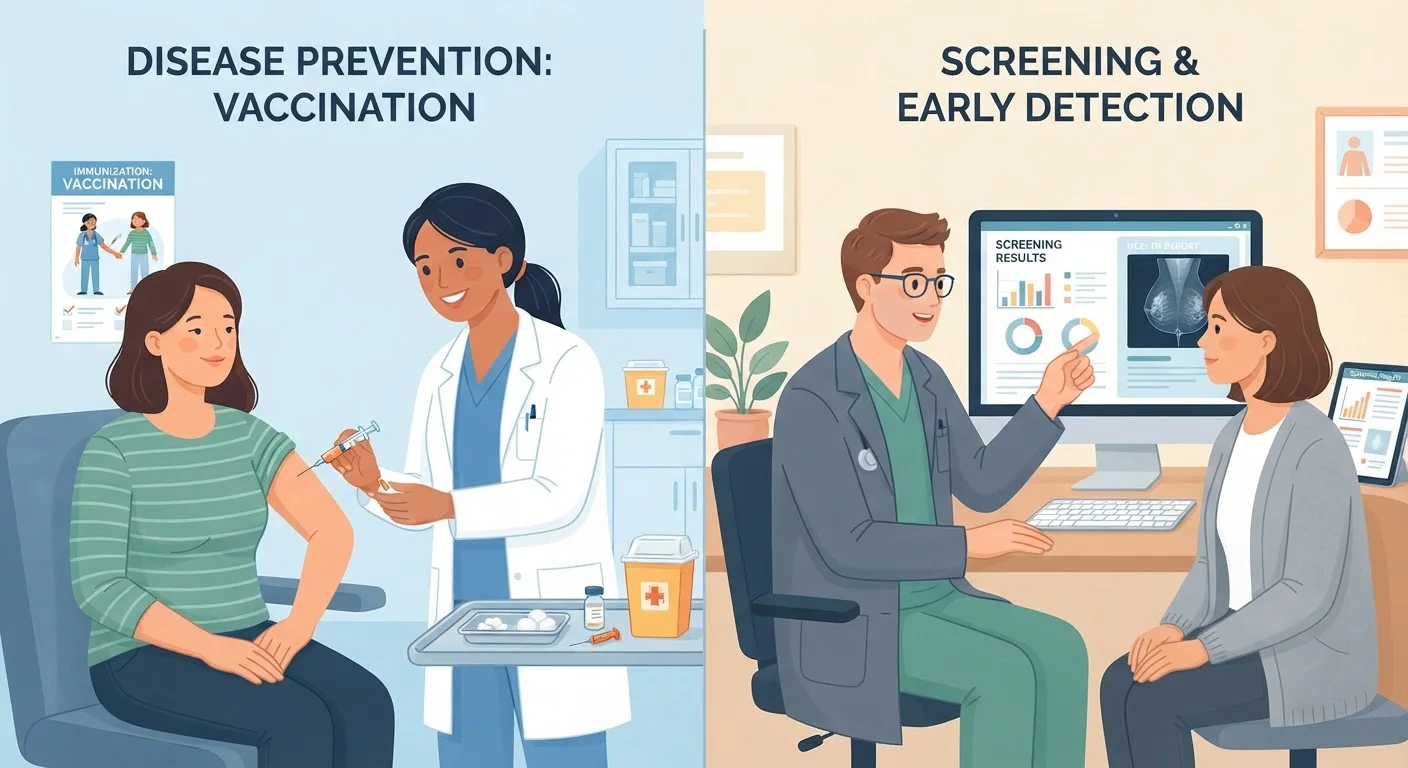
Photo: TargetReads.com | Explore Engaging Reads editorial
Key Takeaways
- Primary prevention targets people with no disease present, aiming to stop conditions from developing.
- Secondary prevention focuses on early detection in people who may already have a disease in its earliest stages.
- Vaccines and lifestyle changes are classic examples of primary prevention strategies.
- Screenings like mammograms and blood pressure checks are hallmark secondary prevention tools.
- Both approaches work together and are often covered under preventive care benefits in health insurance.
Two Tiers of Prevention: What Sets Them Apart
When healthcare providers talk about "prevention," they typically mean one of several distinct tiers. Primary and secondary prevention are the most commonly discussed — and while they share a goal of protecting your health, they operate at different points in the disease timeline.
Primary prevention intervenes before any disease or injury has occurred. The goal is to eliminate or reduce exposure to risk factors so that a condition never develops. Common examples include childhood vaccinations, quitting smoking, maintaining a healthy weight, and wearing sunscreen to reduce skin cancer risk.
Secondary prevention steps in after a disease process has begun but before symptoms become apparent or serious. Its focus is early detection and prompt treatment to halt progression. Routine cancer screenings, blood glucose testing for pre-diabetes, and blood pressure monitoring all fall into this category.
Understanding which tier applies to your situation can help guide conversations with your doctor. For a broader introduction to how proactive health habits fit together, see our overview of preventive care.
| Criterion | Primary Prevention | Secondary Prevention |
|---|---|---|
| Target population | Healthy individuals, no disease present | People with risk factors or early-stage disease |
| Goal | Prevent disease from occurring | Detect and treat disease early |
| Timing | Before any disease process begins | After disease begins, before symptoms appear |
| Common examples | Vaccines, smoking cessation, sun protection | Mammograms, blood pressure checks, colonoscopies |
| Healthcare setting | Primary care, public health programs | Primary care, specialist screenings |
| Insurance coverage | Often covered as preventive benefit | Often covered; verify with your plan |
Real-World Examples of Each Approach
Seeing both strategies in practice makes the distinction clearer.
Primary Prevention in Action
- Immunizations: Vaccines prevent infections like influenza, hepatitis B, and HPV from occurring at all.
- Lifestyle counseling: Guidance on nutrition, physical activity, and tobacco cessation addresses root-level risk factors.
- Environmental interventions: Fluoride in public water supplies and traffic safety laws are population-level primary prevention measures.
Secondary Prevention in Action
- Cancer screenings: Mammograms, colonoscopies, and Pap smears detect abnormal cells before they become symptomatic cancers.
- Blood pressure checks: Identifying hypertension early allows for intervention before heart attack or stroke risk escalates.
- Cholesterol testing: Lipid panels can reveal elevated LDL levels in people who feel entirely well, enabling early management.
1 in 3
Adults with undiagnosed high blood pressure
The CDC estimates roughly one in three U.S. adults with hypertension are unaware of their condition, underscoring the value of secondary prevention screening.
~40%
Reduction in cervical cancer deaths linked to Pap screening
Widespread adoption of routine Pap smear screening has been associated with a dramatic long-term decline in cervical cancer mortality in the United States, per the National Cancer Institute.
It is worth noting that many screenings recommended by organizations such as the U.S. Preventive Services Task Force (USPSTF) are considered secondary prevention. These guidelines are updated periodically based on the available clinical evidence, so check with your healthcare provider for the most current recommendations relevant to your age, sex, and health history.
How These Approaches Fit Into Your Healthcare
Most people engage in both types of prevention at different points in their lives — often without realizing it. A healthy adult receiving an annual flu shot is practicing primary prevention. That same adult getting a routine cholesterol screen is practicing secondary prevention.
Your annual physical or preventive wellness visit is one of the best opportunities to align both strategies with your current health status. At these visits, your provider can identify which screenings are appropriate for your age and risk profile, update immunizations, and offer counseling on modifiable risk factors.
A Third Tier: Tertiary Prevention
It is also worth knowing that most primary and secondary preventive services are covered under the Affordable Care Act (ACA) without cost-sharing for plans subject to its requirements — though coverage details vary. For general guidance on what your plan may cover, visit our health insurance resource hub or speak directly with your insurer.
Women's preventive priorities shift significantly across different life decades. If you are interested in how age affects which screenings and interventions apply, our article on preventive care for women at every decade provides a useful general overview.
This article is for general informational and educational purposes only and does not constitute medical advice. Always consult a qualified healthcare professional for guidance specific to your health needs, symptoms, or medical history.
The content on this site is for informational purposes only and is not a substitute for professional advice. Always consult a qualified professional for guidance specific to your situation.