
Furnace Filters, MERV Ratings, and Indoor Air Quality Explained

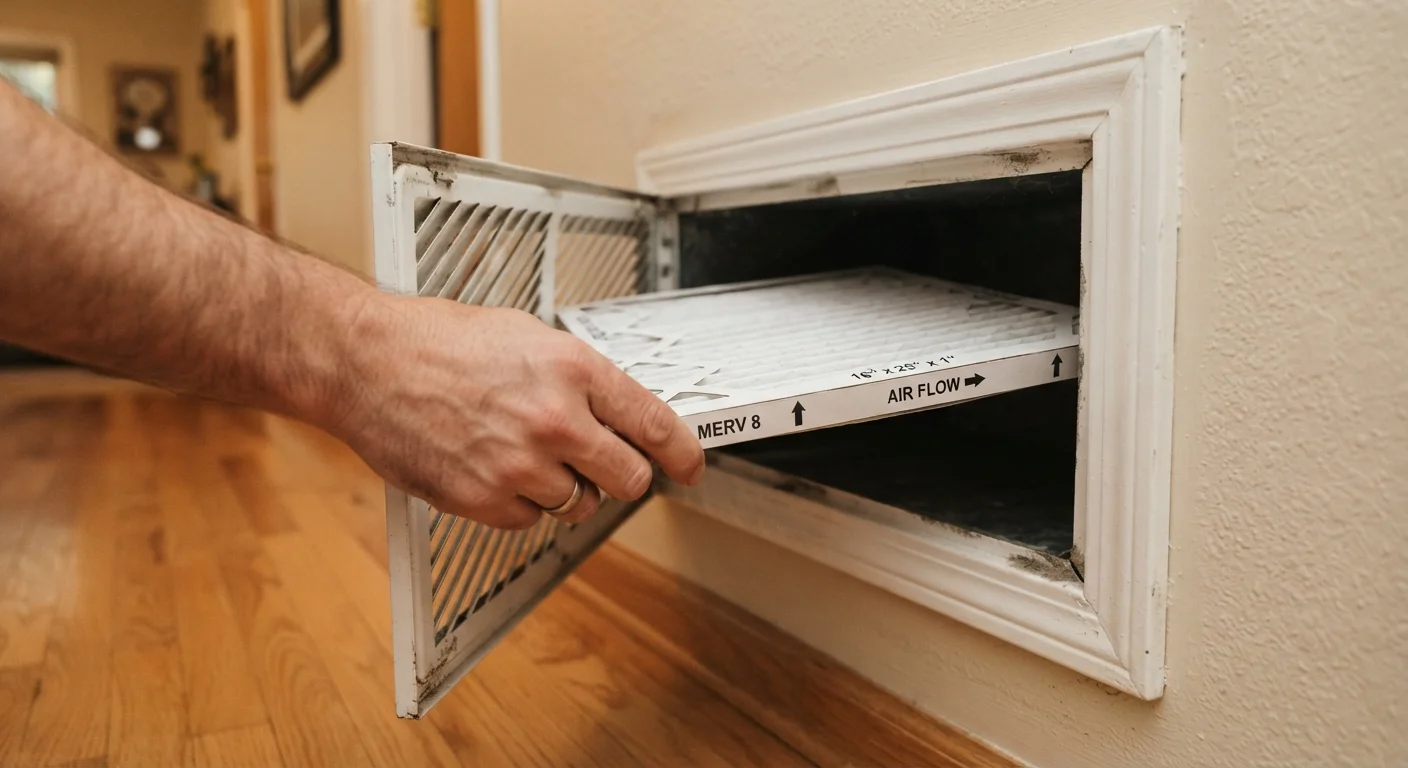
Photo: TargetReads.com | Explore Engaging Reads editorial
Key Takeaways
- MERV ratings range from 1–16 for home use; higher numbers capture smaller particles.
- Most households benefit from filters in the MERV 8–11 range as a practical balance.
- Filters should typically be changed every 1–3 months depending on your home environment.
- A clogged filter reduces airflow, strains your HVAC system, and can worsen air quality.
- Homes with pets, allergies, or smokers may benefit from higher-rated filters.
Why Your Furnace Filter Matters More Than You Think
Your furnace filter does two jobs simultaneously: it protects your HVAC equipment from dust buildup on internal components, and it filters the air circulating through your home. When it works well, you barely notice it. When it's neglected, your energy bills rise, your system wears out faster, and the air your family breathes carries more dust, dander, and other particles.
Unlike many home systems, filter maintenance is a straightforward DIY task — no special tools required. Understanding what the numbers on the package mean puts you in control of both your system's health and your indoor air quality.
50%
Of time Americans spend indoors breathing recirculated air
The U.S. Environmental Protection Agency (EPA) notes that Americans spend approximately 90% of their time indoors, where air pollutant concentrations can be 2–5 times higher than outdoor levels.
15%
Potential energy savings from a clean vs. clogged filter
The U.S. Department of Energy has noted that replacing a clogged filter can lower your HVAC system's energy consumption measurably, though exact savings vary by system and conditions.
MERV 8–13
Recommended filter range for most U.S. homes
ASHRAE guidelines and many HVAC professionals generally recommend this range as an effective balance between particle capture and airflow for residential systems.
Breaking Down the MERV Scale
The MERV scale gives you an objective, standardized way to compare filters across brands and styles. Here's how the common residential ranges break down:
- MERV 1–4: Basic fiberglass filters. These protect equipment from large dust and debris but do very little for indoor air quality. Not recommended if air quality is a priority.
- MERV 5–7: Entry-level pleated filters. Capture larger dust particles, mold spores, and some pet dander. Adequate for low-demand households with no respiratory concerns.
- MERV 8–10: A practical sweet spot for many homes. Capture fine dust, pollen, mold, and pet dander effectively without placing too much strain on most residential HVAC systems.
- MERV 11–13: Higher-performance filters suitable for homes with allergy sufferers, asthma, or pets. Capture finer particles including some bacteria and smoke particles, but airflow restriction becomes a real consideration.
- MERV 14–16: Near-hospital-grade filtration. Rarely appropriate for standard home HVAC systems without professional guidance, as they can significantly reduce airflow.
Check Compatibility Before Upgrading
How Often Should You Change Your Filter?
Filter change frequency depends on the filter thickness, your home's environment, and how hard your system works. General guidelines:
- 1-inch filters (most common): Every 1–2 months in average use; monthly if you have pets or run the system heavily.
- 2-inch filters: Every 2–3 months.
- 4–5 inch media filters: Every 6–12 months, though a visual inspection every 3 months is still smart.
A quick visual check is always your best guide. Hold the filter up to a light source — if you can't see light through it, it's time to replace it regardless of the calendar. A dirty filter forces your blower motor to work harder, increasing energy consumption and wear on the system.
Choosing the Right Filter for Your Home
Before selecting a higher MERV filter, consult your HVAC system's owner manual or the manufacturer's website to check the recommended filter ratings. Some systems — particularly older or lower-powered units — are not designed to handle the airflow resistance of a MERV 13 filter, even if that filter would otherwise benefit your air quality.
If your household includes members with asthma, allergies, or other respiratory sensitivities, a MERV 11–13 filter combined with regular replacement is often a reasonable approach. For most other households, a quality MERV 8 pleated filter changed on schedule delivers meaningful air quality benefits without risking equipment strain.
Consider pairing good filter habits with other practical steps: running ventilation fans, managing humidity levels (ideally 30–50%), and vacuuming with a HEPA-equipped vacuum regularly. No single filter replaces a holistic approach to indoor air quality.
This article is for general informational purposes only. For guidance specific to your HVAC system or household health needs, consult a licensed HVAC technician or a qualified healthcare professional.
“The filter is the lungs of your HVAC system. Neglect it and you're not just risking equipment failure — you're changing the quality of the air everyone in the house breathes every day.”
— Indoor Air Quality Industry Guidance, Commonly cited principle among certified HVAC professionals and indoor air quality educators
Frequently Asked Questions
The content on this site is for informational purposes only and is not a substitute for professional advice. Always consult a qualified professional for guidance specific to your situation.