
Grading and Drainage: Why Soil Slope Around Your Foundation Matters

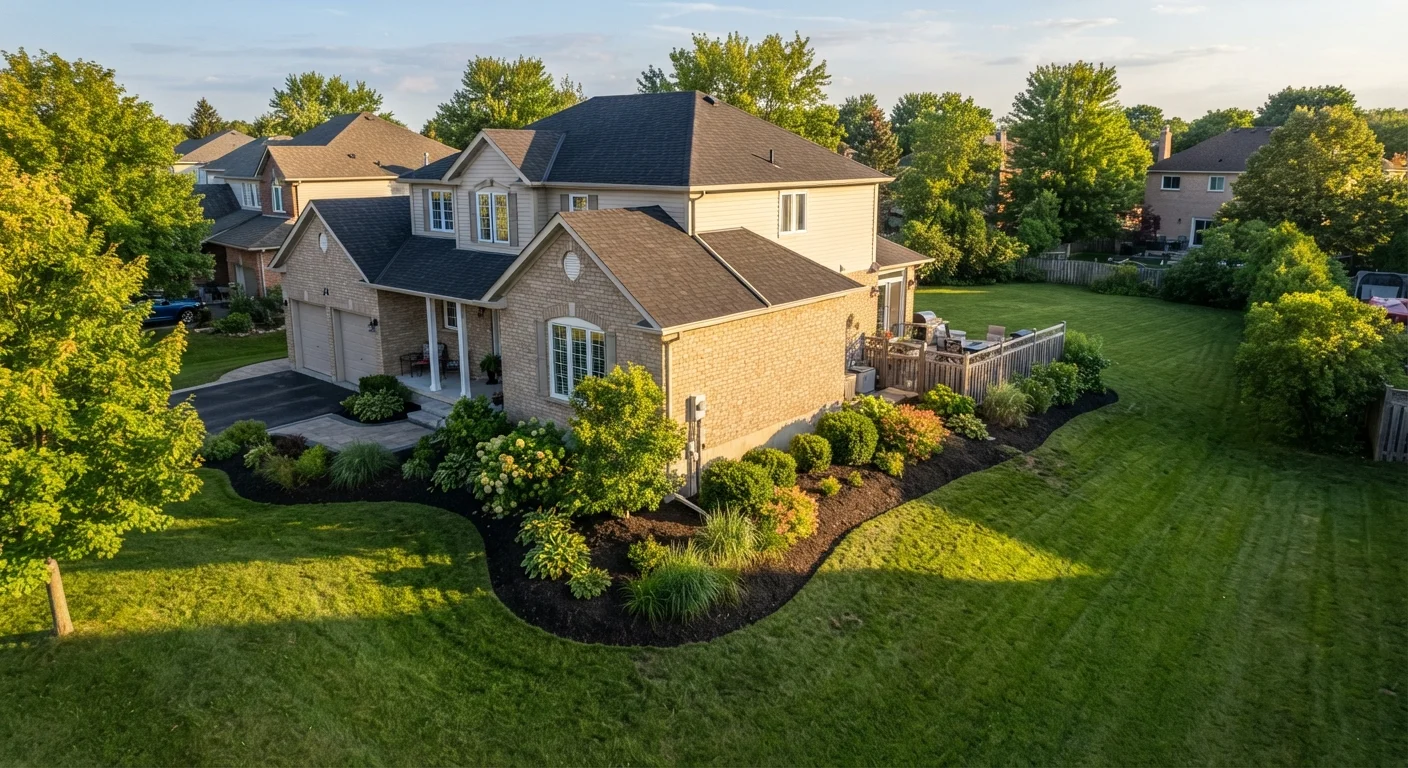
Photo: TargetReads.com | Explore Engaging Reads editorial
Key Takeaways
- Soil should slope away from your foundation at roughly 6 inches of drop over 10 horizontal feet.
- Water that pools near a foundation can cause cracking, basement leaks, and long-term structural damage.
- Negative grading — slope toward the house — is one of the most common and correctable drainage problems homeowners face.
- You can check your yard's slope yourself using basic tools like a level and a tape measure.
- Minor regrading with compactable fill dirt is a manageable DIY task; significant drainage issues may warrant a professional evaluation.
What Grading Does — and What Happens Without It
Every time it rains, water moves somewhere. On a properly graded lot, that water flows away from your home, dispersing into the yard, a drainage swale, or a storm system. On a poorly graded lot, it flows toward your foundation and sits there.
That standing water isn't just a soggy nuisance. Water is heavy — roughly 8.3 pounds per gallon — and when it saturates the soil against a foundation wall, it creates hydrostatic pressure: the physical force of water pushing against a solid surface. Over months and years, that pressure can cause foundation walls to crack, shift, or allow moisture to seep into a basement or crawl space.
Beyond structural risk, persistent moisture near a foundation creates conditions for mold growth, wood rot in sill plates (the lumber that sits directly on the foundation), and insect activity. These are problems that compound quietly and often show up as expensive repairs later.
Grading Is Only Part of the Picture
How to Evaluate Your Yard's Slope
You don't need professional equipment to take a first look at your grading. Here's a straightforward method most homeowners can complete in an afternoon:
- Walk the perimeter after rain. Check for puddles or saturated soil that sits within 6–10 feet of your foundation. Pay attention to corners, which tend to collect water.
- Use a level and tape measure. Place one end of a long straight board against the foundation and use a level to make it perfectly horizontal. Measure from the far end of the board down to the soil surface. You're looking for at least 6 inches of drop over 10 feet. Less than that suggests inadequate grading.
- Look for soil settled below siding or brick. If the soil line is creeping up toward your siding, wood framing, or the bottom of your exterior wall cladding, that's a drainage risk and a potential rot concern.
Check Grading Every Spring
Also scan for mulch beds that have built up over the years. Landscapers routinely add mulch, which accumulates season after season. What started as a properly graded bed can become one that traps moisture against the house simply due to mulch buildup.
Fixing Minor Grading Problems Yourself
If your evaluation reveals that soil is flat or sloping inward, correcting it with fill dirt is a reasonable DIY project for most homeowners — as long as the scope is limited to surface grading around the perimeter.
Use compactable fill dirt (a clay-loam mix works well) rather than topsoil or mulch. Topsoil is designed to absorb water, not redirect it. Spread the fill against the foundation and shape it so it slopes away from the house. Tamp it down firmly — loose soil will settle unevenly. The goal is to achieve that 6-inch drop over 10 feet.
A few cautions:
- Keep soil at least 6 inches below any wood framing, siding, or structural elements to prevent rot and pest access.
- Don't block window wells or foundation vents when adding soil.
- If your lot has a significant slope running toward the house, or if you're experiencing active basement flooding, consult a licensed landscaping professional or civil engineer. Drainage swales, French drains, or retaining walls may be needed — work that goes beyond surface grading.
6 in / 10 ft
Recommended minimum slope away from foundation
This standard is widely cited in residential construction guidelines and reflected in many local building codes across the United States.
~$5,000+
Typical cost range for foundation water damage repair
According to home repair cost aggregators, foundation repairs related to water intrusion can range from a few thousand to tens of thousands of dollars depending on severity and method.
This article is for general informational purposes only and does not constitute professional engineering, construction, or legal advice. For significant drainage issues, structural concerns, or work that may require permits, consult a licensed contractor or engineer in your area.
Frequently Asked Questions
The content on this site is for informational purposes only and is not a substitute for professional advice. Always consult a qualified professional for guidance specific to your situation.