
Pressure-Treated Wood vs. Cedar for Outdoor Projects

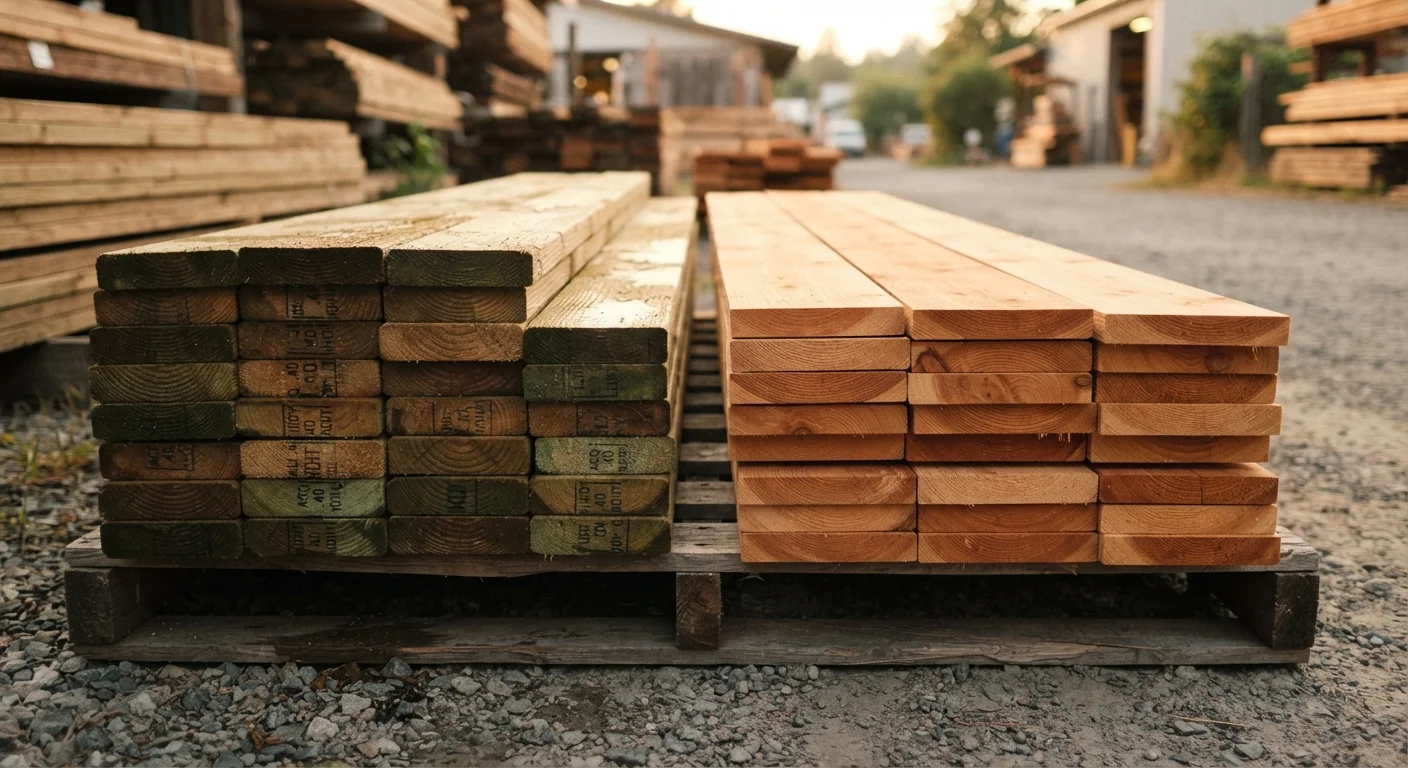
Photo: TargetReads.com | Explore Engaging Reads editorial
Key Takeaways
- Pressure-treated wood resists rot and insects through chemical preservatives, making it ideal for structural and ground-contact use.
- Cedar naturally repels moisture and pests without added chemicals, appealing to families and gardeners concerned about chemical exposure.
- Pressure-treated lumber typically costs significantly less upfront than comparable cedar boards.
- Cedar ages to a silvery-gray patina and is lighter in weight, making it easier to work with on above-ground projects.
- Modern pressure-treated wood uses copper-based preservatives considered safer than older formulas, but gloves and a dust mask are still recommended when cutting.
- Many professionals use both materials together — pressure-treated for structural framing and cedar for visible deck surfaces.
How Each Material Is Made and What That Means for You
Pressure-treated wood starts as standard lumber — usually Southern yellow pine — and is placed in a pressurized chamber where preservative chemicals are forced deep into the wood fibers. Today, most residential pressure-treated lumber uses alkaline copper quaternary (ACQ) or copper azole (CA) preservatives. These replaced older chromated copper arsenate (CCA) formulas, which were phased out of residential use in the early 2000s due to arsenic concerns. Modern formulas are considered safer, though precautions when cutting — such as wearing gloves and a dust mask and washing hands afterward — are still recommended by manufacturers.
Cedar, by contrast, requires no chemical treatment. The heartwood of western red cedar and eastern red cedar naturally contains oils and tannins that repel moisture, fungi, and insects. This makes it a genuinely chemical-free option straight from the mill. However, those natural oils diminish over time, which is why periodic sealing or staining helps cedar maintain both its appearance and its protective qualities.
A Note on Raised Garden Beds and Food Safety
Cost, Availability, and Longevity
Pressure-treated wood is typically one of the most affordable framing options at most lumber yards and home improvement stores across the U.S. Cedar can cost two to three times more per board foot, and pricing varies more by region — it tends to be more affordable in the Pacific Northwest, where it's harvested, and pricier in the Southeast or Midwest.
2–3×
Cedar's typical cost premium over pressure-treated lumber
Regional pricing varies, but cedar consistently commands a significant price premium at U.S. lumber yards compared to standard pressure-treated pine.
40+ years
Potential lifespan of ground-contact pressure-treated lumber
The U.S. Forest Products Laboratory notes that properly treated and installed lumber in ground-contact applications can achieve multi-decade service life.
2003
Year CCA-treated wood was phased out for residential use
The U.S. Environmental Protection Agency (EPA) accepted a voluntary industry withdrawal of CCA-treated lumber for most residential applications effective December 31, 2003.
In terms of lifespan, pressure-treated lumber rated for ground contact (look for the label "UC4B" or "UC4C" on the tag) can last 30 to 40 years or longer when properly installed. Above-ground pressure-treated wood (rated UC3B) typically performs well for 20 to 30 years. Cedar, depending on climate and maintenance, generally lasts 15 to 30 years in above-ground applications. Neither material is truly maintenance-free — both benefit from periodic cleaning and a water-repellent sealer every few years.
Comparing the Two Side by Side
Understanding how these two materials stack up across common decision factors can help you plan a project more confidently.
| Criterion | Pressure-Treated Wood | Cedar |
|---|---|---|
| Upfront Cost | Lower — widely affordable | Higher — roughly 2–3× more per board foot |
| Ground-Contact Suitability | Excellent (rated grades available) | Not recommended for direct soil contact |
| Chemical Treatment | Copper-based preservatives added | None — naturally resistant |
| Expected Lifespan | 30–40+ years (ground contact rated) | 15–30 years above ground |
| Appearance | Greenish tint; rough texture | Warm reddish tone; fine, attractive grain |
| Weight | Heavier — more difficult to handle | Lighter — easier to cut and install |
| Warping Tendency | Can warp as it dries after purchase | More dimensionally stable above ground |
| Edible Garden Safe | Generally not recommended | Preferred choice for food garden beds |
One practical note: these materials are frequently used together on the same project. A common approach is to use pressure-treated lumber for the structural skeleton — joists, beams, posts, and ledger boards — and cedar for the visible decking surface above. This strategy captures the rot resistance and cost efficiency of pressure-treated framing while delivering cedar's appearance and natural feel underfoot.
Working With Each Material Safely
Both materials require basic safety practices, but the reasons differ. When cutting, drilling, or sanding pressure-treated lumber, always wear a dust mask rated at least N95 and safety glasses. Do not burn pressure-treated offcuts — the preservative chemicals in the smoke are hazardous. Wash hands and exposed skin after handling, and keep sawdust off garden beds. Check manufacturer guidance on the lumber's end-tag for any additional handling notes.
Cedar is generally easier and safer to cut. It's lighter and produces minimal skin irritation for most people, though a dust mask is still a reasonable precaution when sawing any wood. Because cedar can bleed tannins — releasing brownish stains — onto surfaces when wet, allow new cedar to dry before applying a finish, and use a tannin-blocking primer if you plan to paint it.
For any structural deck project, local building codes typically require permits and inspections. Always verify your local requirements before starting, and consult a licensed contractor if you're uncertain about load calculations, ledger attachment to your home, or post footings. What's permitted and what's required varies significantly by municipality.
The content on this site is for informational purposes only and is not a substitute for professional advice. Always consult a qualified professional for guidance specific to your situation.