
Guaranteed Issue vs. Medically Underwritten Life Insurance: What the Difference Means for You

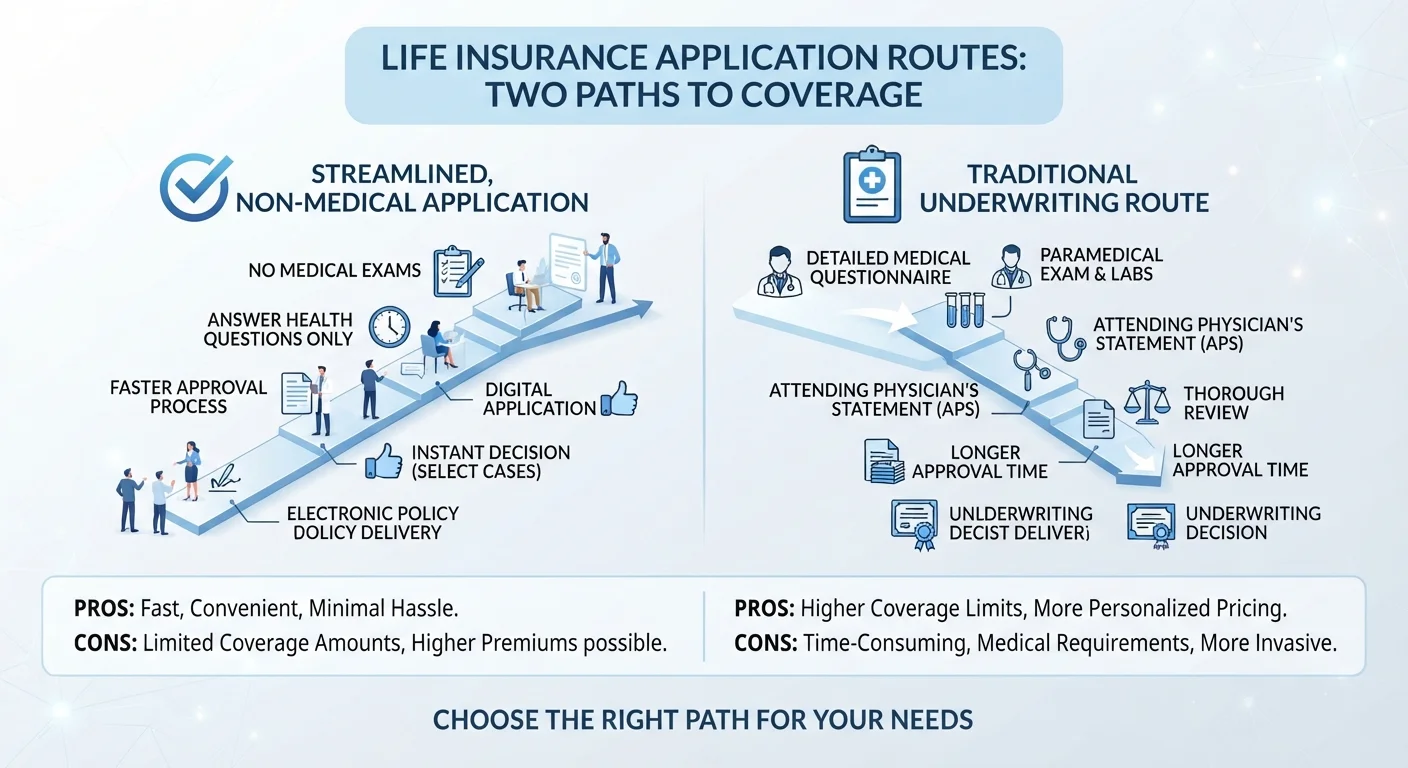
Photo: TargetReads.com | Explore Engaging Reads editorial
Key Takeaways
- Guaranteed issue life insurance requires no medical questions or exam, making it accessible to nearly anyone.
- Medically underwritten policies involve health evaluation but typically offer higher coverage limits and lower premiums.
- Guaranteed issue policies often include a graded death benefit, meaning full payout may not apply in the first two to three years.
- Your health status, age, and coverage needs are the primary factors in deciding which type makes sense for you.
- Neither policy type is universally superior — the right fit depends on individual circumstances.
How Each Policy Type Works
Life insurance policies are issued in fundamentally different ways, and the underwriting process — how an insurer evaluates your risk before offering coverage — is the key dividing line.
Guaranteed issue life insurance (sometimes called guaranteed acceptance) does exactly what the name suggests: if you fall within the insurer's eligible age range (commonly 50–85), you are approved regardless of your health history. There are no medical questions on the application and no physical exam required. Insurers accept the risk without individual health screening.
Medically underwritten life insurance, by contrast, requires applicants to disclose their health history, and often to take a medical exam or authorize access to medical records. Insurers use this information to classify applicants by risk level, which directly affects whether coverage is offered and at what premium rate. For a fuller look at what this process involves, see how life insurance underwriting evaluates your health history.
Key Differences Side by Side
The practical differences between these two approaches extend well beyond just the application process. Coverage amounts, premium costs, and payout structures all differ significantly.
| Guaranteed Issue | Medically Underwritten | |
|---|---|---|
| Medical exam required | No | Often yes |
| Health questions on application | None | Detailed health history required |
| Typical coverage amounts | $5,000–$25,000 | $50,000–several million dollars |
| Premium cost per dollar of coverage | Higher | Lower for healthy applicants |
| Graded death benefit period | Typically 2–3 years | Generally none |
| Who can qualify | Anyone in eligible age range | Those who meet health criteria |
| Approval speed | Immediate or within days | Weeks, depending on exam and records |
| Primary use case | Final expenses, declined applicants | Income replacement, long-term planning |
One distinction worth emphasizing is the graded death benefit common to guaranteed issue policies. If the insured person dies — from non-accidental causes — within the first two to three years of the policy, beneficiaries typically receive only a return of premiums paid (sometimes with modest interest), not the full face value. This waiting period is how insurers manage the elevated risk of insuring applicants without health screening.
Who Typically Considers Guaranteed Issue Coverage
Guaranteed issue policies are not designed as a first resort. They tend to serve a specific segment of the population: individuals who have been declined for traditional coverage due to serious chronic illness, recent cancer diagnoses, organ failure, or other significant health conditions.
They are also commonly used for final expense coverage — modest policies intended to cover funeral costs, outstanding medical bills, or small debts rather than income replacement. Benefit amounts are generally capped, often between $5,000 and $25,000, depending on the insurer and state regulations.
Check Simplified Issue as a Middle Option
It is worth noting that many people overestimate how difficult it is to qualify for traditionally underwritten coverage. Some applicants with managed chronic conditions — such as controlled hypertension or type 2 diabetes — may still qualify for medically underwritten policies, possibly at a higher premium tier. As discussed in common myths about life insurance, assumptions about ineligibility sometimes lead people to skip coverage they could actually obtain.
Cost, Coverage Limits, and Trade-Offs
The premium-to-benefit ratio is where guaranteed issue policies show their most significant limitation. Because insurers accept all applicants within the eligible age range, they price policies to account for higher average risk. A guaranteed issue policy will generally cost more per thousand dollars of coverage than a comparable medically underwritten policy for a healthy applicant of the same age.
Medically underwritten policies, meanwhile, can offer substantially higher death benefits — often ranging from $100,000 to several million dollars — and term lengths from 10 to 30 years. Both term and whole life structures are available through the underwritten route, giving applicants more flexibility to align coverage with their long-term financial goals.
Don't Mistake Guaranteed Acceptance for Full Coverage
If you have employer-provided group life insurance, it is important to understand its limitations before relying on it as your sole coverage. Group life insurance through your employer often provides only one to two times your annual salary, which may be insufficient for most households' needs.
Making a Thoughtful Decision
Choosing between these two policy types requires an honest assessment of your health status, financial goals, and what you want the insurance to accomplish. A few questions worth considering:
- Have you been declined for life insurance due to health reasons?
- Are you primarily seeking coverage for final expenses, or income replacement for dependents?
- How long do you need coverage to remain in force?
- Can you afford higher premiums, or is the lower face value of a guaranteed issue policy sufficient?
Once you've identified your priorities, be sure to also think through how beneficiary designations work — an often-overlooked step that determines who actually receives the benefit.
This article provides general information about life insurance policy types and is not personalized financial or insurance advice. Coverage terms, availability, and premium rates vary by insurer, policy, and state. Consult a licensed insurance professional to evaluate options appropriate for your individual circumstances.
The content on this site is for informational purposes only and is not a substitute for professional advice. Always consult a qualified professional for guidance specific to your situation.