
Insurance Types Beyond Home and Auto That Many Households Never Consider

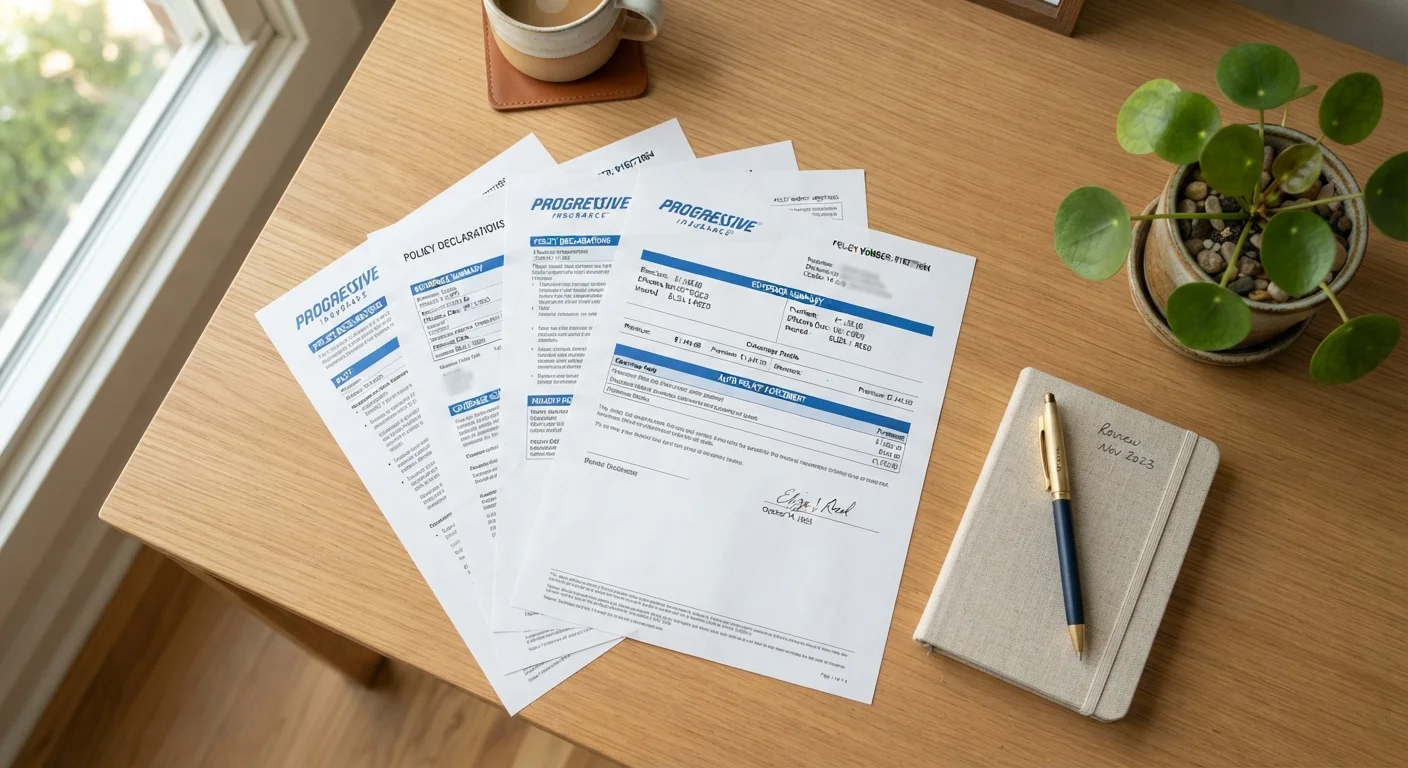
Photo: TargetReads.com | Explore Engaging Reads editorial
Key Takeaways
- Standard home and auto policies leave several common financial risks uncovered.
- Lesser-known insurance types — like disability, pet, and identity theft coverage — address real household vulnerabilities.
- Understanding what each policy covers helps you decide which gaps are worth addressing.
- Coverage needs vary by household; a licensed insurance agent can help identify your specific gaps.
- Some overlooked coverages, like flood insurance, may be essential depending on where you live.
The Coverage Most Households Are Missing
Most American households carry at least two insurance policies: one for the car, one for the home. These are essential — but they were never designed to cover every financial risk a family faces. Disability, unexpected pet expenses, legal disputes, and natural disasters can all create costs that fall squarely outside a standard auto and home policy.
The lesser-known insurance types below are not exotic products for wealthy households. Many are widely available, relatively affordable, and designed to address gaps that everyday consumers regularly encounter. This is general information intended to help you understand your options — not personalized advice. For guidance tailored to your situation, consult a licensed insurance professional.
Disability Insurance
Disability insurance replaces a portion of your income — typically 50–70% — if an illness or injury prevents you from working. It is arguably the most overlooked protection in personal finance, despite the fact that a working-age adult is statistically more likely to experience a disabling event than to die prematurely.
There are two main forms: short-term disability, which typically covers gaps of a few weeks to several months, and long-term disability, which can provide benefits for years or until retirement age. Some employers offer group disability coverage, but as our article on employer-sponsored group coverage explains, workplace plans often cover less than people assume. An individual policy can supplement or replace employer coverage.
A working-age adult is more likely to become disabled than to die prematurely — yet disability insurance is rarely discussed.
Flood Insurance
Standard homeowners policies almost universally exclude flood damage. If a river overflows, a storm surge reaches your neighborhood, or heavy rain overwhelms local drainage, repairs come out of pocket — unless you have a separate flood policy.
Flood insurance in the U.S. is primarily available through the National Flood Insurance Program (NFIP), administered by FEMA, though some private insurers also offer flood coverage. Importantly, flood risk is not limited to coastal or riverside properties; urban flooding from overwhelmed stormwater systems affects many inland communities. As our guide on what home insurance typically does not cover outlines, floods are among the most consequential standard exclusions.
Flood damage is excluded from virtually all standard homeowners policies — regardless of where you live.
Umbrella Insurance
An umbrella policy extends liability coverage beyond the limits of your existing home and auto policies. If someone is seriously injured at your property, or you are found liable for significant damages in an auto accident, the costs can exceed standard policy limits quickly — leaving you personally responsible for the remainder.
Umbrella insurance typically provides coverage in increments of one million dollars and is generally considered cost-effective relative to the protection it provides. It can also extend to situations not covered by underlying policies, such as certain personal liability claims. For a thorough explanation, see our article on when basic liability limits are not enough.
Umbrella coverage steps in when a liability claim exceeds the limits of your home or auto policy.
Pet Insurance
Veterinary care has advanced significantly in recent decades — and so have its costs. Emergency surgeries, cancer treatments, and specialist consultations for pets can run into thousands of dollars. Pet insurance helps manage these expenses by reimbursing a portion of eligible veterinary bills, typically after a deductible.
Policies vary considerably. Some cover accidents and illnesses broadly; others focus on accidents only. Pre-existing conditions are commonly excluded. If you are considering pet insurance, review policy terms carefully — specifically what qualifies as a covered condition, how reimbursements are calculated, and whether there are annual or lifetime benefit caps.
Emergency veterinary bills can reach thousands of dollars; pet insurance can reduce that financial exposure.
Identity Theft Insurance
Identity theft insurance does not prevent fraud from occurring, but it helps cover the costs of recovering from it — expenses like legal fees, lost wages from time spent resolving disputes, and fees to restore your credit and financial records. Some policies also provide access to restoration services, where specialists help manage the recovery process on your behalf.
This coverage is sometimes available as a rider on a homeowners or renters policy, or as a standalone product. Coverage amounts and included services vary significantly, so comparing what each policy actually provides — rather than just the premium — matters here. Our article on insurance riders and add-ons offers useful context on how these attachments work.
Identity theft insurance covers recovery costs — legal fees, lost wages, and credit restoration — after fraud occurs.
Renters Insurance
Renters insurance is not obscure — but it remains widely skipped. A landlord's property insurance covers the building structure; it does not cover a tenant's belongings or personal liability. If your apartment is burglarized or damaged by a fire, replacing furniture, electronics, and clothing falls on you without renters coverage.
Beyond personal property, renters policies typically include liability protection (if a guest is injured in your unit) and coverage for additional living expenses if your home becomes temporarily uninhabitable. Premiums are generally modest relative to the coverage provided, making this one of the more straightforward gaps to close.
A landlord's insurance never covers a renter's belongings — that gap requires a separate renters policy.
Making Sense of Your Full Coverage Picture
Reviewing all of these options at once can feel overwhelming, but you do not have to address every gap simultaneously. A useful starting point is a structured review of what you already carry. Our household coverage checklist can help you spot the most significant vulnerabilities before prioritizing next steps.
Start With Your Biggest Exposure
Insurance needs shift over time as income, dependents, assets, and health change. A policy that was unnecessary five years ago may be important today — and vice versa. Revisiting your overall coverage annually is a habit that tends to pay for itself.
This article is for general informational and educational purposes only. It is not personalized insurance, financial, or legal advice. Coverage terms, eligibility, and premiums vary by provider, policy, and location. Always read policy documents carefully and consult a licensed insurance agent or adviser before making coverage decisions.
The content on this site is for informational purposes only and is not a substitute for professional advice. Always consult a qualified professional for guidance specific to your situation.