
A Plain-Language Glossary of Budgeting Terms

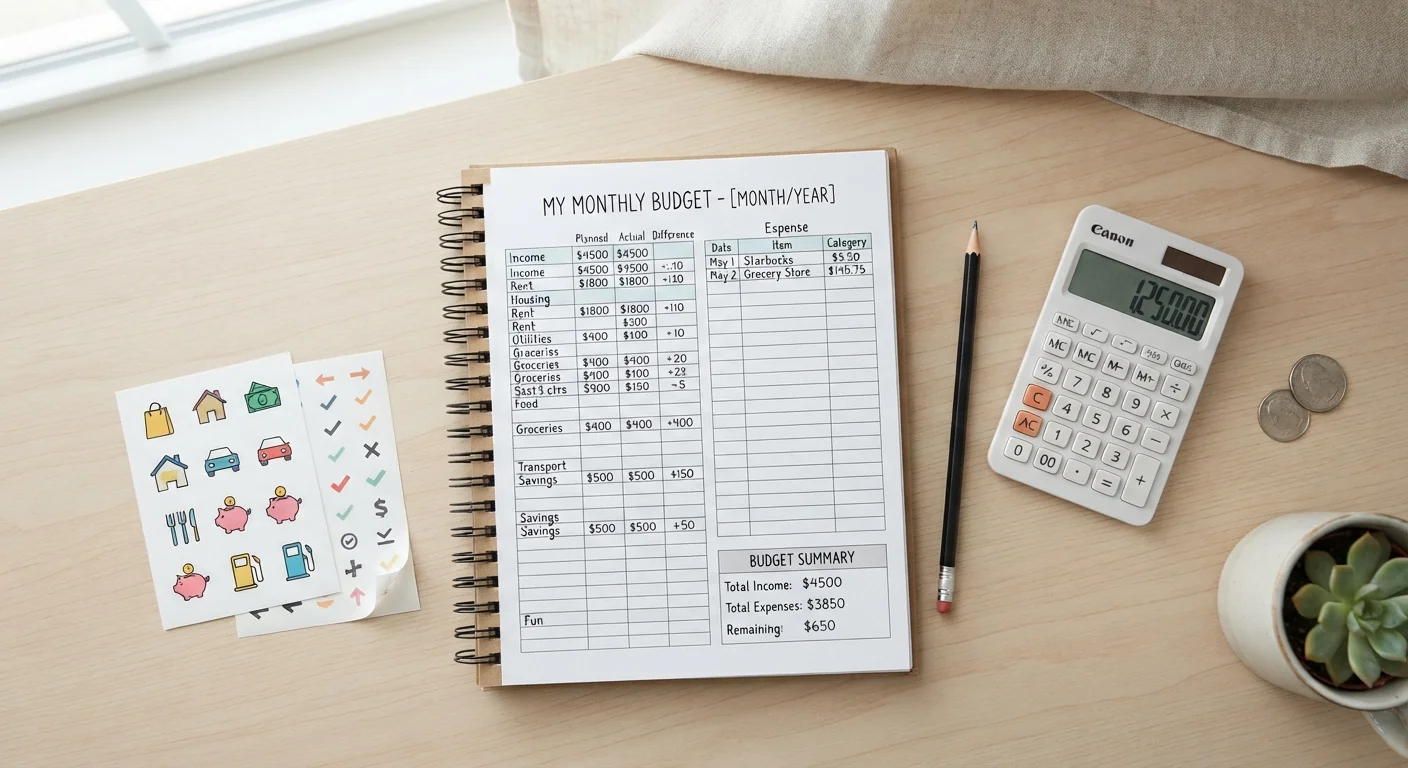
Photo: TargetReads.com | Explore Engaging Reads editorial
Why Budgeting Vocabulary Matters
Budgeting guides often assume you already know the language of personal finance. Terms like discretionary income, cash flow, or sinking fund appear constantly — and if you're not sure what they mean, even the best advice can feel confusing. This glossary cuts through the jargon so you can read any budgeting resource with confidence.
The definitions below are grouped to reflect how they appear in practice: first the foundational income and spending concepts, then the tools and methods budgeters use to organize money. For a deeper dive into specific systems, see our comparison of zero-based vs. percentage-based budgeting.
Net Income
The amount of money you actually take home after taxes, Social Security, and any other payroll deductions have been removed. This is the number your budget should be built around — not your gross (pre-tax) salary.
Gross Income
Your total earnings before any deductions are taken out. Gross income is what appears in a job offer or contract, but it overstates the money you have available to spend and save.
Fixed Expenses
Recurring costs that stay the same from month to month, such as rent, a car payment, or a subscription at a set price. Because these amounts don't change, they are the easiest to plan for in a budget.
Variable Expenses
Spending that changes month to month, such as groceries, gas, utilities, or dining out. Variable expenses require more active tracking because the amounts fluctuate.
Discretionary Income
Money left over after you've covered essential needs like housing, food, utilities, and minimum debt payments. Discretionary income funds wants, hobbies, travel, and additional savings.
Cash Flow
The movement of money into and out of your accounts over a given period. Positive cash flow means more money is coming in than going out; negative cash flow means the reverse and often leads to debt accumulation.
Budget Deficit
The shortfall that occurs when your expenses exceed your income in a given period. Running a deficit typically requires drawing down savings or taking on debt.
Budget Surplus
The amount remaining when your income exceeds your expenses. A surplus gives you the opportunity to save, invest, or pay down debt ahead of schedule.
Sinking Fund
A savings category set aside for a specific, anticipated future expense — such as a car registration, holiday gifts, or a home repair. Small, regular contributions accumulate so the expense doesn't shock your budget when it arrives. Learn more in our guide to sinking funds.
Emergency Fund
A dedicated pool of savings intended to cover unexpected, urgent expenses — job loss, a medical bill, or a major repair — without going into debt. Most financial educators suggest three to six months of essential expenses as a general target range.
Zero-Based Budget
A budgeting method in which every dollar of income is assigned a purpose — spending, saving, or debt repayment — so that income minus all allocations equals zero. No money is left unassigned.
Pay Yourself First
A savings strategy in which a set amount is transferred to savings or a retirement account immediately when income arrives, before any spending occurs. The goal is to treat saving as a non-negotiable expense rather than an afterthought.
Key Numbers and Categories You'll Encounter
Once you're comfortable with the vocabulary, you're ready to apply it. Most budgets start by identifying your net income, then sorting expenses into fixed and variable categories before allocating anything to savings or debt repayment.
| Most Common Budget Rule | 50/30/20 (needs / wants / savings) (Widely referenced percentage-based budgeting framework) |
| Recommended Emergency Fund Range | 3–6 months of essential expenses (Consumer Financial Protection Bureau general guidance) |
| Fixed vs. Variable Split | Fixed costs are predictable; variable costs require active tracking |
| Net vs. Gross Income | Always build your budget using net (take-home) income |
| Sinking Fund Purpose | Planned savings for known future expenses, not emergencies |
Understanding where your money currently goes is the prerequisite for deciding where it should go. Tracking cash flow — even informally for one month — reveals patterns that many people find surprising. If you haven't made a budget before, our step-by-step first budget walkthrough is a good next step.
For terms that come up once you're saving and managing debt — like APR, amortization, and net worth — the saving and debt glossary covers those in the same plain-language format.
Budgeting Myths Can Get in the Way
This article is for general informational and educational purposes only and does not constitute personalized financial advice. For guidance specific to your situation, consult a qualified financial professional.
The content on this site is for informational purposes only and is not a substitute for professional advice. Always consult a qualified professional for guidance specific to your situation.