
The Science Behind How Dogs Actually Learn

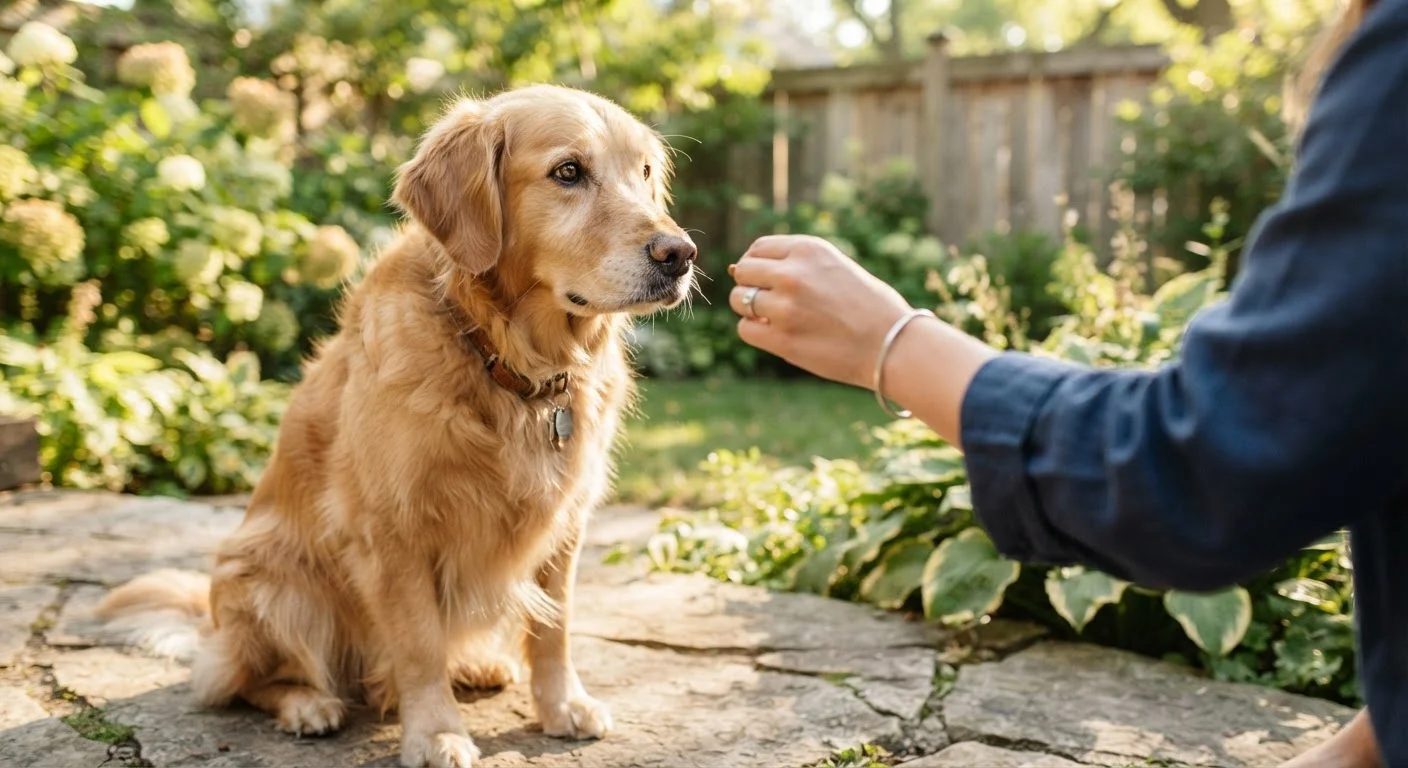
Photo: TargetReads.com | Explore Engaging Reads editorial
Key Takeaways
- Dogs learn primarily through association and consequence — not dominance or submission.
- Classical conditioning links neutral stimuli to emotional responses, forming the basis of a dog's comfort or fear.
- Operant conditioning uses outcomes (rewards or consequences) to increase or decrease specific behaviors.
- Reward-based training is backed by behavioral science and supported by major veterinary organizations.
- Timing and consistency are the two variables owners control most — and they matter enormously.
- Understanding how dogs learn helps owners avoid common mistakes that slow progress or cause stress.
Two Processes That Explain Almost Everything
When a dog sits reliably on cue, pulls toward another dog on leash, or cowers at a raised voice, the same two learning processes are at work: classical conditioning and operant conditioning. These aren't training philosophies — they're descriptions of how animal nervous systems actually process experience.
Classical conditioning is about association. A neutral stimulus gets paired with something emotionally meaningful — food, play, pain, fear — until the neutral stimulus triggers the same emotional response on its own. This is why the sound of a leash jingling makes many dogs spin with excitement. The leash has been paired with walks enough times that it now predicts something wonderful. It also explains why dogs can develop fear responses to seemingly unrelated things — a hat, a specific room, a certain tone of voice.
Operant conditioning is about consequences. Behaviors that produce good outcomes get repeated; behaviors that produce no outcome or a bad outcome tend to fade. Behaviorists describe four quadrants: positive reinforcement (adding something good), negative reinforcement (removing something unpleasant), positive punishment (adding something unpleasant), and negative punishment (removing something good). Most humane, science-aligned training relies on positive reinforcement and, where needed, negative punishment.
Reward-first versus correction-based training methods differ significantly in how they engage these quadrants — and the evidence on outcomes is worth understanding before you choose an approach.
72%
Of dogs show reduced anxiety with reward-based training
According to a study published in PLOS ONE (2020), dogs trained with aversive methods showed significantly higher stress indicators than those trained with positive reinforcement.
1–2 sec
Window to connect consequence to behavior
Behavioral research consistently identifies a roughly one-to-two second delay threshold beyond which dogs struggle to link a consequence to the behavior that caused it.
3–12 wks
Primary socialization window in puppies
Veterinary behaviorists identify this developmental window as the period during which positive exposures have the most durable effect on a dog's lifelong emotional responses.
Why Timing and Consistency Are Non-Negotiable
A dog's brain connects a consequence to the behavior that immediately preceded it — the window is roughly one to two seconds. Deliver a treat three seconds after a sit and you may be reinforcing whatever the dog did in between: a sniff, a glance away, getting back up. This is why professional trainers use markers like clickers or verbal cues: the marker bridges the gap between the behavior and the reward, preserving the precision of the association.
Consistency matters for a related reason. If "sit" earns a treat seven times out of ten, the dog isn't learning a weaker version of the behavior — it's being put on a variable reinforcement schedule, which actually makes the behavior more persistent and harder to extinguish. That's useful once a behavior is well-established, but during initial learning, consistent reinforcement builds the clearest picture.
Use a Marker to Improve Your Timing
Inconsistency across family members is one of the most common reasons training stalls. If one person allows jumping on the couch and another corrects it, the dog isn't confused about the rule — it's accurately learning that the rule depends on who's in the room.
What Dogs Actually Understand — and What They Don't
Dogs are exceptionally good at reading body language, learning environmental patterns, and associating cues with outcomes. They are not processing verbal language the way humans do. When a dog responds to the word "sit," it has most often learned to respond to a specific sound pattern — frequently paired with a particular hand signal, body position, or context. Change one of those variables, and the behavior may seem to disappear entirely.
This is why common training myths — like the idea that dogs understand guilt or are "being stubborn" — can lead owners astray. A dog that looks guilty after chewing a shoe is almost certainly responding to owner body language and tone, not recalling an earlier action. Behavioral research consistently shows that the "guilty look" appears whether or not the dog actually misbehaved.
Understanding these limits isn't discouraging — it's clarifying. When you align your expectations with how dogs actually process information, training becomes less frustrating and more collaborative.
Building on the Science: Practical Starting Points
The most effective training environments share a few common features grounded directly in learning science: minimal distractions during initial learning, short sessions (five to ten minutes keeps focus and avoids fatigue), and high-value reinforcers that the dog finds genuinely motivating — which varies by individual.
Socialization during sensitive developmental windows (roughly three to twelve weeks) has an outsized effect on classical conditioning — positive early exposures shape emotional responses that persist throughout a dog's life. But learning doesn't stop there. For dogs coming into new homes, the first two weeks are a critical setup period. Our guide on setting up a new dog for success covers the practical routines that support early learning.
“The dog is not the problem — the environment is the problem. Change the environment, and you change the behavior.”
— Susan Friedman, Behavioral scientist and applied behavior analysis educator at Utah State University
Finally, remember that every interaction is a potential learning event — not just formal training sessions. Dogs observe, associate, and adjust continuously. The owner who understands this has an enormous advantage: consistency becomes natural because they're no longer just training during practice — they're thinking like a teacher all the time.
This article is for general educational purposes. For behavioral concerns, aggression, or anxiety in your dog, consult a certified professional trainer or a veterinary behaviorist.
Frequently Asked Questions
The content on this site is for informational purposes only and is not a substitute for professional advice. Always consult a qualified professional for guidance specific to your situation.