
Thrifting vs. Buying New: What Each Approach Actually Costs You

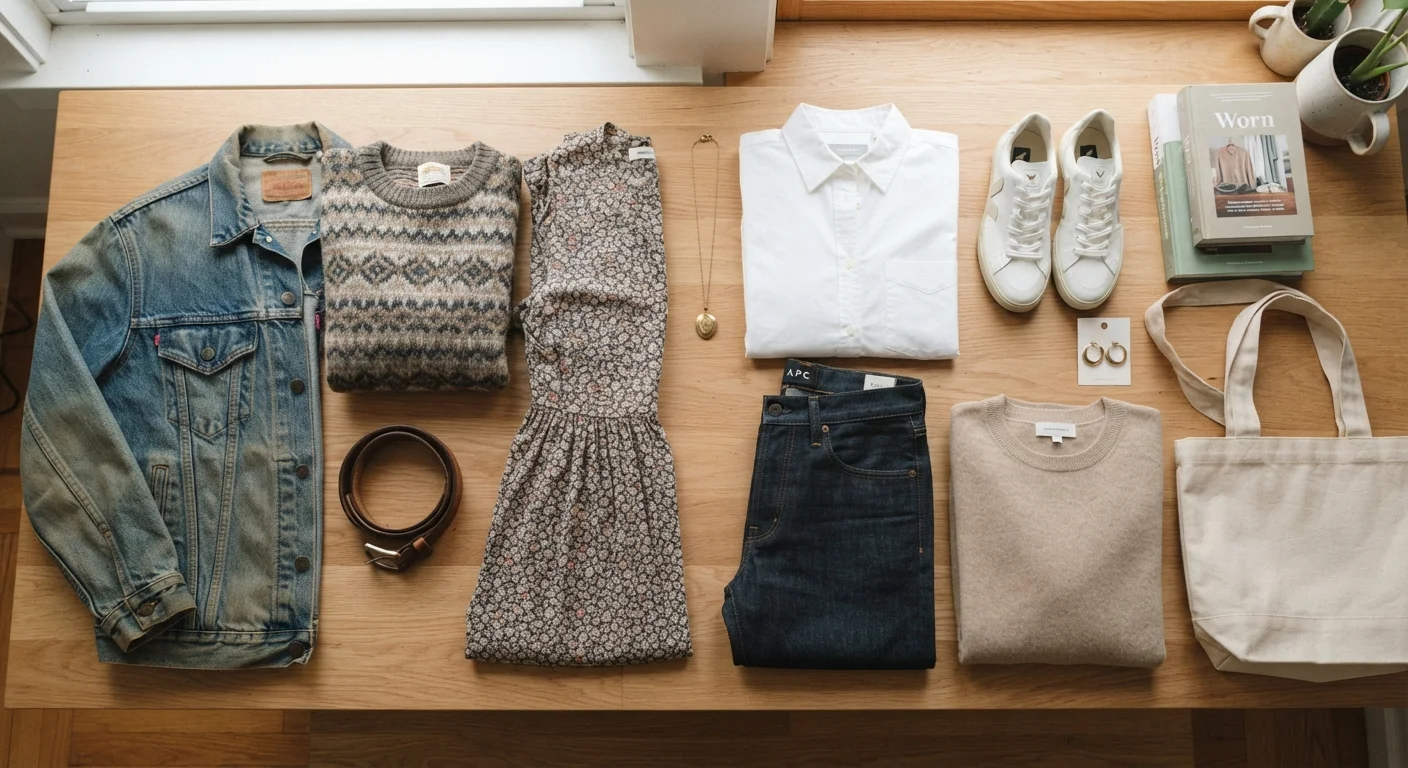
Photo: TargetReads.com | Explore Engaging Reads editorial
Key Takeaways
- Thrifting can stretch a clothing budget significantly, but it requires time and patience to find quality pieces.
- Buying new makes sense for basics, foundation garments, and items where fit precision matters most.
- The real cost of any purchase includes price per wear, not just the price tag.
- A mixed strategy — thrifting some items, buying new others — often delivers the best wardrobe value.
- Neither approach is universally superior; your lifestyle and shopping habits determine the right balance.
Significantly lower price points on individual items
Thrifted garments often cost a fraction of retail, which allows you to stretch a clothing budget further or free up funds for higher-priority purchases.
Low-risk way to experiment with new styles
Trying a trend or silhouette secondhand reduces the financial sting if it doesn't work out, making it easier to explore your personal style without regret.
Access to well-made vintage and discontinued pieces
Older garments were often constructed with heavier fabrics and sturdier techniques, so thrifting can surface quality that's harder to find at the same price point in new retail.
Extends the life of existing garments
Choosing secondhand keeps clothing in use longer, which generally represents a lower environmental footprint than purchasing something newly manufactured.
Unique finds that add personality to a wardrobe
Thrifted pieces are rarely mass-produced in the same run, giving your wardrobe a distinctiveness that's hard to replicate from conventional retail alone.
Time-intensive process with unpredictable inventory
Finding the right piece often means visiting multiple stores or browsing large, disorganized sections — a real investment of time that doesn't always pay off.
Fit and sizing can be inconsistent or unavailable
Vintage sizing standards differ significantly from modern ones, and less-common sizes may simply not exist in a given store's inventory on any given visit.
Some categories carry hygiene or wear concerns
Intimates, swimwear, and heavily worn shoes are categories where secondhand purchasing raises legitimate comfort and health considerations for many shoppers.
Impulse buying is a real risk at low price points
Cheap prices can make it easy to rationalize purchases that don't serve your wardrobe, leading to clutter rather than savings.
The Real Math Behind Each Price Tag
The sticker price on a garment tells you almost nothing about what it will actually cost you. A $12 thrifted blazer worn twice before it sits ignored in the closet is a worse deal than a $90 new blazer you wear forty times over two years. This is the cost-per-wear framework — dividing what you paid by how often you actually use something — and it's the most honest way to evaluate clothing purchases.
Thrift stores can offer genuinely low entry prices, which makes experimentation low-risk. Want to try a wide-leg trouser trend before committing? A secondhand pair at a fraction of retail is a reasonable test. But thrifting has its own hidden costs: the time spent hunting, the transportation if you're visiting multiple stores, and the occasional impulse buy that doesn't hold up at home.
Buying new isn't automatically wasteful if you're intentional. Paying more upfront for durable, well-constructed pieces that you'll wear for years typically beats cheap fast fashion that pills after six washes. For deeper guidance on making existing pieces work harder, see buying fewer clothes and wearing more of them.
~$1,700
Average annual U.S. household clothing spend
According to the U.S. Bureau of Labor Statistics Consumer Expenditure Survey, American households spend roughly this amount on apparel and services each year.
~30%
Share of wardrobe most people regularly wear
Wardrobe research consistently suggests most people reach for a small fraction of their clothes repeatedly, regardless of how much they own.
Where Thrifting Genuinely Wins
Secondhand shopping has real, concrete advantages that go beyond saving money.
Significantly lower price points on individual items
Thrifted garments often cost a fraction of retail, which allows you to stretch a clothing budget further or free up funds for higher-priority purchases.
Low-risk way to experiment with new styles
Trying a trend or silhouette secondhand reduces the financial sting if it doesn't work out, making it easier to explore your personal style without regret.
Access to well-made vintage and discontinued pieces
Older garments were often constructed with heavier fabrics and sturdier techniques, so thrifting can surface quality that's harder to find at the same price point in new retail.
Extends the life of existing garments
Choosing secondhand keeps clothing in use longer, which generally represents a lower environmental footprint than purchasing something newly manufactured.
Unique finds that add personality to a wardrobe
Thrifted pieces are rarely mass-produced in the same run, giving your wardrobe a distinctiveness that's hard to replicate from conventional retail alone.
Outerwear, denim, structured blazers, and vintage accessories are categories where thrift stores often deliver excellent value. These items were frequently built to last, and their quality holds up even after previous use. The sustainability argument is also real — extending the life of a garment that already exists has a lower environmental footprint than producing a new one.
That said, successful thrifting takes practice. Learning what quality construction looks like — checking seams, zippers, fabric weight, and label information — makes a meaningful difference in what you bring home versus what you regret.
Where Buying New Makes More Sense
Thrifting isn't the right answer for every category, and pretending otherwise leads to frustrating shopping experiences.
Time-intensive process with unpredictable inventory
Finding the right piece often means visiting multiple stores or browsing large, disorganized sections — a real investment of time that doesn't always pay off.
Fit and sizing can be inconsistent or unavailable
Vintage sizing standards differ significantly from modern ones, and less-common sizes may simply not exist in a given store's inventory on any given visit.
Some categories carry hygiene or wear concerns
Intimates, swimwear, and heavily worn shoes are categories where secondhand purchasing raises legitimate comfort and health considerations for many shoppers.
Impulse buying is a real risk at low price points
Cheap prices can make it easy to rationalize purchases that don't serve your wardrobe, leading to clutter rather than savings.
Intimates, swimwear, and anything with significant hygiene considerations are categories where new is the practical choice for most people. Shoes with significant wear can cause foot and posture issues over time. And if you have a specific fit need — a particular inseam length, a narrow or wide width, or a hard-to-find size — the thrift store's inventory is unpredictable at best.
Basics like plain white tees, everyday underwear, and core layering pieces are also often better purchased new, where you can buy multiple consistent units at once and know exactly what you're getting. Check out rotating your wardrobe between seasons for tips on building a reliable, seasonally organized closet.
A Note on Sizing and Fit
Building a Strategy That Works for Your Wardrobe
The most practical approach isn't a rigid rule — it's a loose framework you apply item by item. Before any clothing purchase, it's worth asking a few quick questions: Is this a foundation piece or an accent? How precisely does fit matter? Am I buying this because I need it or because it's cheap right now?
A mixed wardrobe — anchored by a few quality new basics and filled out with interesting thrifted finds — tends to be both more affordable and more personal than a wardrobe built from one source alone. It also keeps things fun. The hunt is part of what makes thrifting rewarding, while the reliability of buying new removes friction from essential purchases.
Style myths about what you "should" spend or where you "should" shop can make this unnecessarily complicated. For a grounded perspective, common style advice worth questioning is worth a read. And if budget management is part of the equation, basic budgeting strategies can help you set a realistic clothing allowance that makes both approaches easier to navigate.
The content on this site is for informational purposes only and is not a substitute for professional advice. Always consult a qualified professional for guidance specific to your situation.