
Your Annual Preventive Health Checklist for Adults

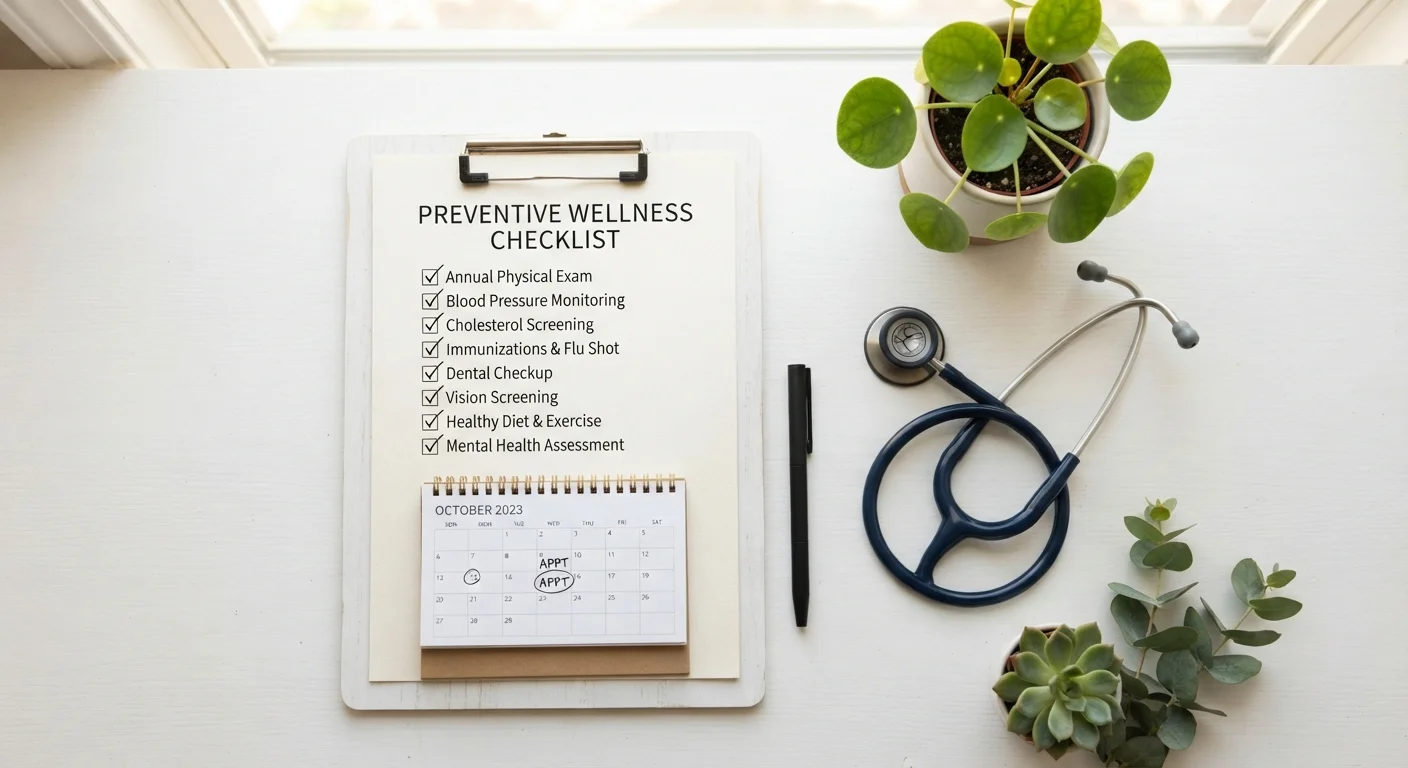
Photo: TargetReads.com | Explore Engaging Reads editorial
Key Takeaways
- Most adults need at least one annual wellness visit with a primary care provider.
- Key screenings — blood pressure, cholesterol, blood sugar — catch serious conditions early.
- Vaccines are not just for children; several are recommended for adults on a regular schedule.
- Dental and vision care are part of a complete preventive health picture.
- Lifestyle habits reviewed annually can significantly reduce chronic disease risk.
- Always discuss your personal history and risk factors with a qualified healthcare professional.
Why an Annual Health Checklist Matters
Preventive care is one of the most effective tools adults have for protecting long-term health. Many chronic conditions — including heart disease, type 2 diabetes, and certain cancers — can be detected early or even prevented through routine screenings, timely vaccinations, and consistent lifestyle monitoring. Yet a significant share of American adults skip annual wellness visits, often because they feel fine or don't know what to prioritise.
This checklist is designed to close that gap. It organises the most widely recommended preventive steps into clear categories, so you can review where you stand and arrive at your next appointment prepared. For a deeper dive into which screenings apply at each stage of life, see our adult health screenings reference guide.
This Is General Information, Not Medical Advice
This checklist is general health information and education — it is not a substitute for personalised medical advice. Your healthcare provider is the right person to determine which screenings, vaccines, and lifestyle targets apply to your individual age, history, and risk profile. Always consult a qualified professional before making changes to your care plan.
Tools You'll Want Before You Begin
Working through this checklist is most useful when you have a few key resources at hand. Gather these before your appointment — or use them now to identify gaps in your current routine.
Personal Medical History Summary
A written or digital summary of your past diagnoses, surgeries, and ongoing conditions helps your provider make accurate screening recommendations.
Family Health History Record
A record of first-degree relatives' major health conditions helps identify elevated genetic or hereditary risk for conditions such as heart disease or cancer.
Current Medications & Supplements List
A complete, up-to-date list of all prescription drugs, over-the-counter medicines, and supplements prevents dangerous interactions and supports accurate prescribing.
Vaccination Record
A personal immunization history — from your provider, state registry, or prior records — helps identify gaps in your vaccine schedule.
Health Insurance Card & Benefits Summary
Knowing which preventive services your plan covers at no cost helps you take full advantage of available care without unexpected bills.
Symptom or Concern Notes
Jotting down any recurring symptoms, changes in health, or questions before your visit ensures nothing important gets overlooked during a short appointment.
Once you have these materials ready, scheduling becomes easier. Our companion article on mapping out a year of preventive appointments offers practical strategies for spreading visits across the calendar without feeling overwhelmed.
Your Annual Preventive Health Checklist
Work through each category below and note which items are current, which are overdue, and which require a conversation with your provider. Frequency recommendations are general guidelines; your provider may adjust them based on personal risk factors.
Primary Care & Screenings
Immunizations
Dental & Vision
Lifestyle & Mental Health
Don't Self-Diagnose Based on Screening Results
Women have distinct preventive care needs that shift at every decade of life. See our overview of how preventive care differs for women across their lifespan for additional context.
Making Preventive Care a Year-Round Habit
Reviewing this checklist once a year is a strong start, but turning preventive care into a consistent habit is what drives lasting health outcomes. If a demanding schedule has been a barrier, our guide on building a preventive health routine around a full schedule offers realistic, time-conscious strategies.
Before your next appointment, consider reviewing your health insurance coverage as well — understanding what your plan covers can remove financial barriers to preventive visits. Our open enrollment preparation checklist can help you assess your current plan. And if you're returning to regular physical activity as part of a healthier routine, the pre-exercise health checklist for adults is a useful companion resource.
To get the most from each preventive visit — including what to bring and what questions to ask — see our guide on preparing for preventive appointments.
This article is for general informational and educational purposes only and does not constitute medical advice. Individual health needs vary. Always consult a qualified healthcare professional for guidance tailored to your personal health history and circumstances.
The content on this site is for informational purposes only and is not a substitute for professional advice. Always consult a qualified professional for guidance specific to your situation.