
Caulk vs. Weatherstripping: Choosing the Right Seal for the Job

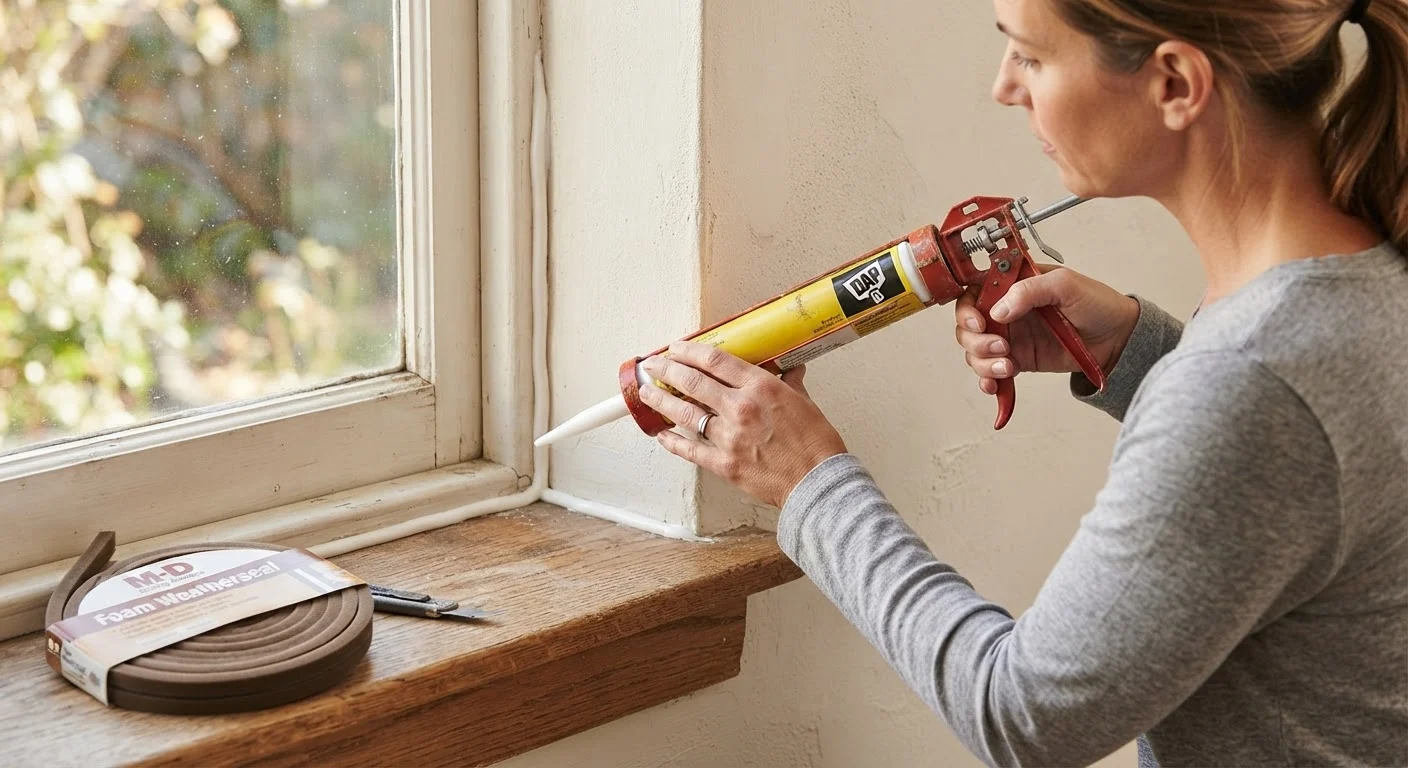
Photo: TargetReads.com | Explore Engaging Reads editorial
Key Takeaways
- Caulk is best for stationary joints — gaps between trim, siding, or framing that never move.
- Weatherstripping is designed for moving parts like door edges and operable window sashes.
- Using the wrong seal in the wrong place leads to cracking, peeling, or air leaks returning quickly.
- Most homes need both products — used together, they provide complete envelope protection.
- Weatherstripping wears out from friction and should be inspected seasonally for compression or tears.
Why the Distinction Matters
Caulk and weatherstripping both block air, moisture, and pests — but they're engineered for completely different conditions. Applying one where the other belongs is one of the most common DIY sealing mistakes homeowners make. The result is usually a failed seal within months, wasted materials, and the same drafts coming back.
The core rule is straightforward: caulk belongs on stationary surfaces; weatherstripping belongs on surfaces that move. Everything else flows from that principle.
If you've noticed drafts or condensation issues, proper sealing is one of the first things to address. Understanding moisture behavior around windows can also help — window condensation signals sometimes point to seal failure rather than a simple draft problem.
| Criterion | Caulk | Weatherstripping |
|---|---|---|
| Best used on | Stationary joints and gaps | Moving edges of doors and windows |
| Handles repeated movement | No — cracks with flexing | Yes — designed to compress and recover |
| Common materials | Silicone, latex, siliconized latex | Foam tape, V-strip, rubber, vinyl |
| Typical lifespan | 5–10+ years when properly applied | 2–5 years depending on type and use |
| DIY difficulty | Low — caulk gun and prep required | Low to moderate — cutting and fitting needed |
| Waterproof options | Yes — silicone-based caulk | Limited — rubber and vinyl resist moisture |
| Paintable | Yes — latex and siliconized types | Generally no |
Where Caulk Belongs — and Why
Caulk is an adhesive sealant that cures into a flexible but permanent bead. Once applied and dried, it bonds two surfaces together and doesn't tolerate repeated movement without cracking. That makes it ideal for:
- Interior and exterior window frames — the joint between the frame and the surrounding wall or siding
- Door frames — the gap between the door casing and the wall (not the door itself)
- Baseboards and crown molding — wherever trim meets drywall or flooring
- Plumbing penetrations — around pipes entering walls or floors
- Bathroom fixtures — around tubs, showers, and sinks where water exposure is constant
For exterior use, look for paintable latex or siliconized latex caulk. For wet areas like bathrooms, silicone-based caulk resists mold and moisture better. Always clean and dry the surface before application — caulk won't bond to dust, old paint flakes, or existing failed caulk.
30%
Home heating energy lost through gaps and cracks
The U.S. Department of Energy estimates that air leaks through gaps, cracks, and unsealed penetrations can account for up to 30% of a home's heating and cooling energy loss.
$200–$600
Estimated annual savings from proper air sealing
According to general estimates from the U.S. Environmental Protection Agency's ENERGY STAR program, comprehensive air sealing and insulation can yield meaningful annual energy savings, though actual results vary by home size and climate.
Where Weatherstripping Belongs — and Why
Weatherstripping is a compressible material — foam tape, V-strip, door sweeps, or rubber gaskets — designed to create a seal when two surfaces press together and then release repeatedly. It lives along the moving edges of a door or window, not the surrounding frame.
Common weatherstripping applications include:
- Door stop molding — foam or rubber strips along the sides and top where the door meets the frame when closed
- Door bottoms — door sweeps or automatic drop seals that contact the threshold
- Operable window sashes — the edges of casement, double-hung, or sliding windows
- Attic hatches — foam tape around the perimeter of pull-down stair openings
Weatherstripping degrades from friction. Inspect it each season by closing the door on a piece of paper — if you can slide it out without resistance, the seal is no longer compressing adequately. Most foam and felt types last two to five years; vinyl and rubber last longer with proper maintenance.
Don't Caulk a Door Shut
Using Both Together for a Complete Seal
Most exterior doors and windows need both products working together. The frame gets caulked where it meets the wall; the operable parts get weatherstripping. Skipping either step leaves part of the air barrier incomplete.
A practical starting point: do a visual inspection of each exterior door and window on a sunny day. Hold your hand near the edges while someone shines a flashlight from outside — or simply look for daylight gaps. Stationary gaps pointing to the framing call for caulk. Gaps along the door slab or sash edge call for weatherstripping.
Neither product requires professional installation for most residential applications, but both require surface prep and the right product choice for the location. When in doubt, read the manufacturer's label — most caulks and weatherstripping products specify their intended use, temperature range, and expected lifespan clearly.
The content on this site is for informational purposes only and is not a substitute for professional advice. Always consult a qualified professional for guidance specific to your situation.