
Window Condensation: What's Normal and What Signals a Problem

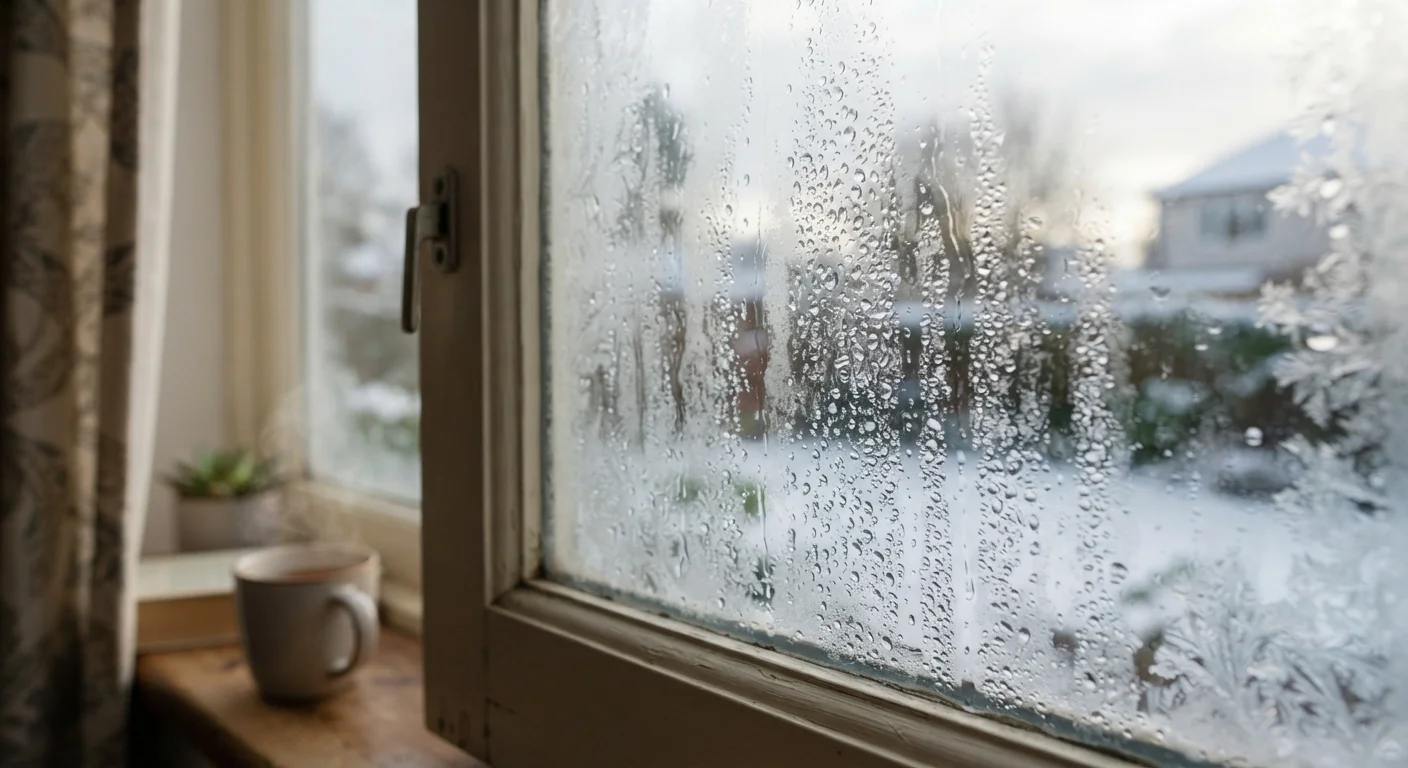
Photo: TargetReads.com | Explore Engaging Reads editorial
Key Takeaways
- Condensation on the inside surface of a window is usually a humidity problem, not a window defect.
- Moisture appearing between double-pane glass layers signals a failed seal requiring professional attention.
- Exterior condensation is normal and harmless, especially on cool mornings after warm nights.
- Persistent interior condensation can lead to mold, wood rot, and paint damage over time.
- Reducing indoor humidity through ventilation and dehumidifiers resolves most interior condensation issues.
Why Windows Collect Moisture
Condensation forms when warm, humid air contacts a surface cool enough to drop moisture out of the air — a process called reaching the dew point. Windows are prime candidates because glass conducts temperature readily, making it one of the coldest surfaces in most rooms during winter months.
Where that moisture appears, however, changes everything. Condensation on the interior surface, the exterior surface, and between the glass panes each tells a different story about your home and your windows. Understanding those distinctions helps you decide whether to grab a squeegee or call a window contractor.
Moisture problems rarely exist in isolation. If you're seeing persistent condensation, it's worth considering what else might be contributing to your home's moisture load — including areas like the crawl space. See our guide to keeping crawl spaces dry for a broader look at how below-grade moisture moves through a home.
Myth
All window condensation means my windows are failing and need to be replaced.
Fact
Most condensation is a humidity problem inside your home, not a sign of defective or failing windows.
Interior-surface condensation is a natural result of high indoor humidity meeting cold glass. It does not indicate any fault with the window itself. Only condensation between the panes points to a window defect — specifically, a failed insulated seal. Before assuming your windows need replacement, check your indoor humidity levels and ventilation habits first.
Myth
Condensation on the outside of windows means cold air is leaking in.
Fact
Exterior condensation is actually a sign your window is insulating well, not poorly.
When the outer glass surface stays cooler than the outdoor air temperature — because the window is effectively blocking interior heat from escaping — moisture in the outside air can condense on the glass. This is the same physics behind a cold beverage sweating on a warm day. It typically clears within an hour as sunlight warms the glass and requires no action.
Myth
A little condensation between the panes isn't a big deal and can be ignored.
Fact
Between-pane condensation confirms the insulating seal has failed, reducing thermal performance and making the haze permanent.
Double- and triple-pane windows are manufactured with sealed gas fills (often argon) that improve insulation. Once the perimeter seal fails, that gas escapes and moist air enters the space. The result is permanent cloudiness or streaking that no amount of cleaning will remove. More importantly, the window's insulating value drops significantly, increasing heating and cooling costs over time. Replacement of the glass unit is the only lasting remedy.
Myth
Opening windows in winter will fix persistent condensation problems.
Fact
Brief ventilation helps, but outdoor air in winter is often humid enough that cold-weather window opening provides limited relief.
While airing out a room provides short-term benefit, extremely cold outdoor air — though it feels dry — can introduce more moisture once it warms inside. A more reliable approach is using exhaust fans consistently, managing moisture at its source (cooking, bathing, drying laundry indoors), and deploying a dehumidifier if humidity levels remain above 50% despite other measures.
Myth
New windows will always eliminate condensation problems.
Fact
New windows reduce cold glass surfaces but don't solve an underlying high-humidity problem inside the home.
Installing modern, energy-efficient windows raises the interior glass surface temperature, which raises the threshold before condensation forms. However, if indoor relative humidity is consistently above 50–60%, condensation can still occur on even new high-performance windows — just less often. Addressing the source of excess moisture is the more fundamental fix.
What Each Type of Condensation Means
Interior condensation is the most common complaint — and also the most controllable. When indoor humidity is high enough that glass surfaces can't warm fast enough, you'll see fog or droplets on the room-facing side of the pane. Cooking, showering, humidifiers, and even houseplants all add moisture to indoor air. This type of condensation responds well to increased ventilation, exhaust fan use, and, when needed, a dehumidifier.
Exterior condensation looks alarming but is benign. It forms on the outside of energy-efficient windows when the outdoor glass surface is cooler than the surrounding air — typically on warm, humid mornings after a cool night. It typically burns off within an hour as the sun warms the glass. It actually indicates good insulation performance rather than any fault.
Between-pane condensation is the one to take seriously. Modern double- or triple-pane windows are filled with insulating gas (commonly argon) and sealed at the edges. When that seal fails, outside air and moisture infiltrate the space between panes, producing a cloudy or streaky appearance that doesn't wipe away. The insulating gas escapes, thermal performance drops, and the haziness is permanent until the glass unit is replaced.
Don't Ignore Pooling Water on Sills
For a related look at sealing gaps around window frames and doors, our article on caulk vs. weatherstripping covers which materials belong where.
Managing Interior Condensation: Practical Steps
Because interior condensation is almost always a humidity management issue, the fixes are straightforward — though consistency matters.
- Run bathroom and kitchen exhaust fans during and for 15–20 minutes after cooking or showering. These are the biggest point sources of indoor moisture.
- Aim for indoor relative humidity between 30% and 50% during winter. An inexpensive hygrometer (a tool that measures humidity) can confirm whether you're in a healthy range.
- Limit indoor plant clustering near windows, as transpiration adds to local humidity.
- Check clothes dryer venting to ensure it exhausts outdoors, not into an attic or crawl space.
- Use a portable or whole-home dehumidifier if structural conditions — such as a damp basement — are driving persistent high humidity.
If you're winterizing your home and adding weather sealing, keep in mind that tighter homes trap more interior moisture. You may need to increase mechanical ventilation to compensate.
30–50%
Recommended indoor relative humidity (winter)
The U.S. Environmental Protection Agency recommends keeping indoor humidity in this range to limit mold growth and moisture damage.
15–20 min
Exhaust fan run-time after showering
Building science guidelines generally recommend running bathroom exhaust fans for this duration to adequately clear post-shower moisture from indoor air.
When to Call a Professional
Between-pane fogging cannot be fixed with ventilation. In most cases, the insulated glass unit (IGU) — the sealed glass assembly — needs to be replaced, not the entire window frame. A window contractor can often install a new IGU into your existing frame, which is typically less expensive than full window replacement.
If you notice condensation pooling on the window sill, dripping onto the frame, or seeping into drywall or trim, that points to a more sustained moisture problem. Left unchecked, it can lead to wood rot, mold growth, and paint failure. Inspect surrounding drywall and trim for soft spots, staining, or musty odors.
Between-Pane Fog Cannot Be DIY-Fixed
Window seal failures tend to cluster in age — if one unit in a set fails, others of the same vintage may follow. When replacing one IGU, it's worth having a contractor assess neighboring units at the same visit.
The content on this site is for informational purposes only and is not a substitute for professional advice. Always consult a qualified professional for guidance specific to your situation.