
Renter's Rights: What Landlords Are Legally Required to Provide

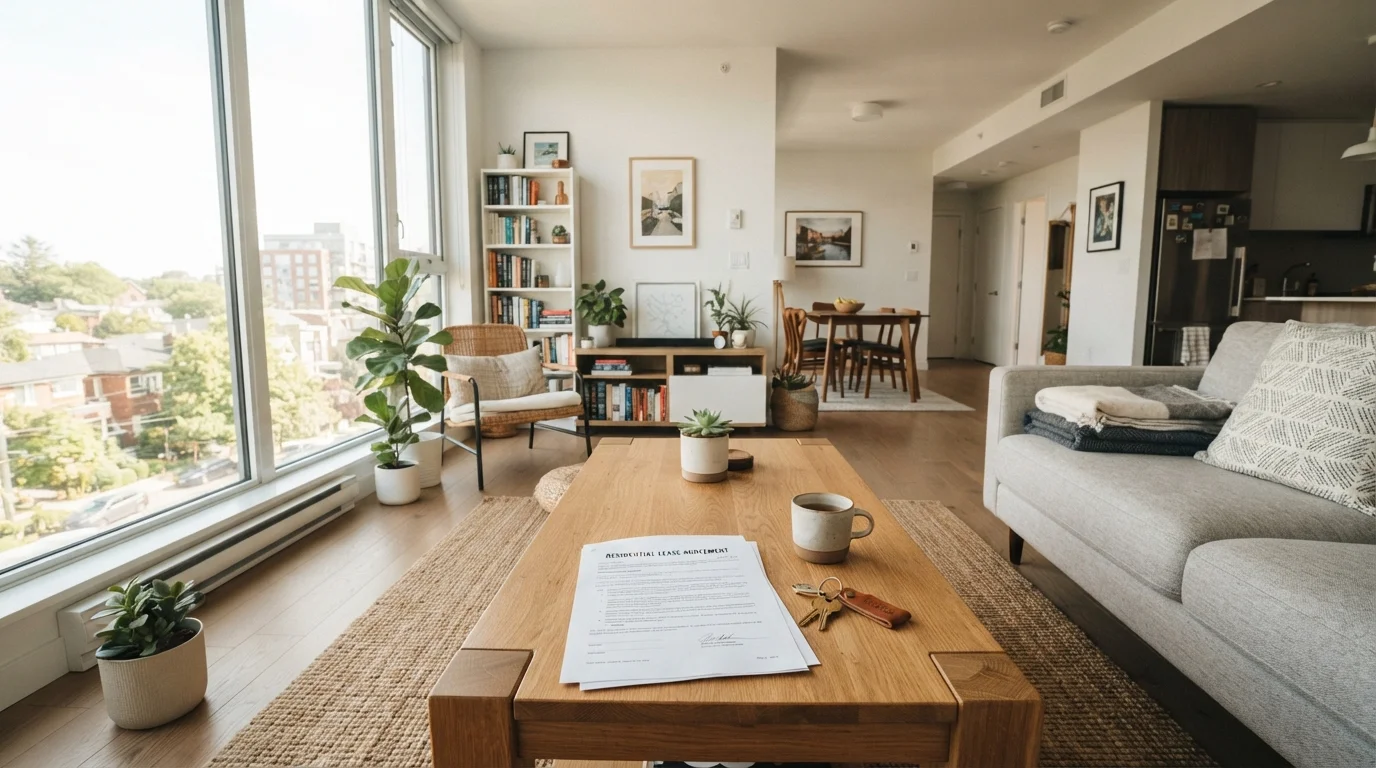
Photo: TargetReads.com | Explore Engaging Reads editorial
The Implied Warranty of Habitability
In virtually every U.S. state, landlords are bound by what housing law calls the implied warranty of habitability — a legal obligation to maintain rental units in a condition safe and fit for human occupation. This standard exists automatically, even if it is not written into your lease.
At minimum, a habitable unit typically must have:
- Structurally sound walls, floors, and roof
- Working plumbing, hot water, and sewage systems
- Functioning heat (and in many states, cooling where climate requires it)
- Electrical wiring and systems that meet local safety codes
- Doors and windows that lock and seal properly
- Freedom from pest or rodent infestations
When a landlord fails to maintain habitability, most states give tenants specific remedies: the right to withhold rent, "repair and deduct" (hire a contractor and subtract the cost from rent), or terminate the lease without penalty. The rules around each remedy vary significantly by state, so check your local tenant rights statutes or contact a local housing authority before acting.
| Habitability Standard | Required in nearly all 50 states (Implied by state landlord-tenant statutes) |
| Typical Landlord Entry Notice | 24–48 hours (non-emergency) (Varies by state statute) |
| Security Deposit Return Window | 14–30 days after move-out (Varies by state; confirm your local law) |
| Federal Lead-Paint Disclosure | Required for pre-1978 housing (U.S. EPA and HUD regulations) |
| Rent Increase Notice (Month-to-Month) | Typically 30–60 days written notice (Varies by state and local ordinance) |
| Common Deposit Cap | 1–2 months' rent (Varies significantly by state) |
Notice, Entry, and Privacy Protections
One of the most commonly misunderstood areas of renter rights involves a landlord's ability to enter your home. In most states, landlords must provide advance written notice — commonly 24 to 48 hours — before entering for non-emergency purposes such as inspections or repairs.
Exceptions generally exist for genuine emergencies (a burst pipe, fire, or gas leak), but a landlord cannot enter without notice simply for convenience or to check up on you. Repeated unannounced entries may constitute harassment under state law.
Landlords are also generally required to:
- Provide working locks on exterior doors and windows at the start of tenancy
- Re-key or change locks between tenants (required by law in some states)
- Disclose known lead-paint hazards in pre-1978 housing, as required by federal law
- Give proper notice before raising rent or changing lease terms (typically 30–60 days for month-to-month arrangements)
For a deeper look at how assumptions about these rules trip up renters financially, see common myths about tenant rights.
Implied Warranty of Habitability
A legal doctrine, recognized in most U.S. states, that requires landlords to maintain rental properties in a livable condition throughout the tenancy. It applies automatically, even without being written into the lease.
Repair and Deduct
A tenant remedy available in many states that allows a renter to arrange necessary repairs — when a landlord has failed to do so — and deduct the cost from rent. State law sets strict limits on when and how this remedy may be used.
Normal Wear and Tear
The gradual, expected deterioration of a rental unit from ordinary use — such as minor scuffs on walls or carpet wear. Landlords generally cannot charge tenants for this type of deterioration when returning a security deposit.
Notice to Enter
A legal requirement in most states that landlords provide advance written notice — typically 24 to 48 hours — before entering an occupied rental unit for non-emergency purposes.
Security Deposit
A sum of money collected by a landlord before or at the start of a tenancy as protection against unpaid rent or tenant-caused damage. State law governs how deposits must be held, documented, and returned.
Fair Housing Act
A federal law that prohibits housing discrimination based on race, color, national origin, religion, sex, familial status, or disability. It also establishes protections for individuals with disabilities, including the right to reasonable accommodations.
Security Deposits: Rules Landlords Must Follow
Security deposits are heavily regulated at the state level. While landlords can collect them, most states impose firm requirements on how those funds must be handled.
Common legal obligations include:
- Deposit limits: Many states cap deposits at one to two months' rent.
- Separate account: Some states require deposits to be held in a dedicated account, sometimes interest-bearing.
- Itemized return: Landlords typically must return the deposit — along with a written itemization of any deductions — within 14 to 30 days of move-out, depending on the state.
- Allowable deductions: Only unpaid rent and damages beyond normal wear and tear are generally permissible. Repainting after normal use, for example, is usually not chargeable to the tenant.
Failing to follow deposit rules can expose a landlord to penalties, sometimes double or triple the withheld amount. Understanding the distinction between legitimate deductions and improper ones is covered in detail in our guide on why renters lose their security deposits.
Local Rules Often Add More Protection
What Landlords Are NOT Required to Provide
Knowing the limits of legal protections is as important as knowing what those protections cover. Landlords are generally not required by federal or most state law to:
- Provide appliances such as a refrigerator, dishwasher, or in-unit laundry (unless specified in your lease)
- Allow pets or make accommodations for them (with the exception of verified service animals and emotional support animals, which are protected under federal fair housing law)
- Guarantee a specific aesthetic or upgrade the unit beyond habitability standards
- Pay for utilities unless the lease explicitly assigns that responsibility to them
Your lease is the governing document for these extras. Read it carefully before signing, and ask for any verbal promises to be added in writing.
Keep in mind that your landlord's insurance policy does not cover your personal belongings. Renters insurance is a separate policy that protects your possessions and provides liability coverage — something worth considering regardless of what your lease requires.
This article provides general information about renter protections in the United States and is not legal advice. Tenant rights vary significantly by state and locality. If you have a specific dispute or legal question, consult a qualified attorney or local housing authority.
The content on this site is for informational purposes only and is not a substitute for professional advice. Always consult a qualified professional for guidance specific to your situation.