
Why Renters Lose Their Security Deposits — and How to Avoid It

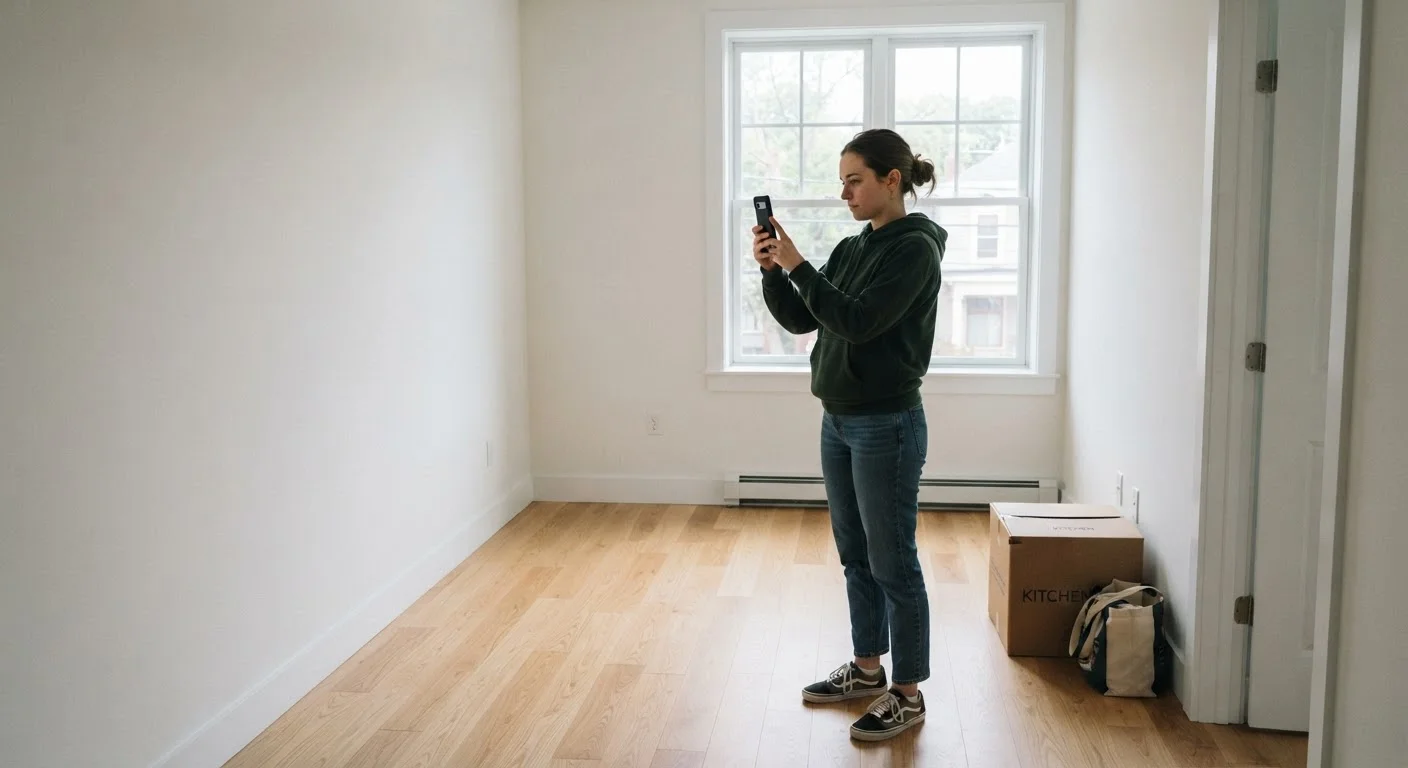
Photo: TargetReads.com | Explore Engaging Reads editorial
Key Takeaways
- Most security deposit losses stem from preventable documentation gaps, not actual damage.
- A timestamped photo and video walkthrough at move-in and move-out is your strongest protection.
- Normal wear and tear is legally distinct from damage — landlords generally cannot charge for routine aging.
- State law governs deposit return deadlines and itemization requirements; know yours before you move out.
- Unpaid rent and cleaning fees are among the most common — and avoidable — deductions landlords make.
Why Security Deposits Are Disputed So Often
A security deposit is meant to protect landlords against real financial loss — unpaid rent, genuine damage, or excessive cleaning costs. In practice, however, many deductions stem from misunderstandings, missing documentation, or conditions the tenant could easily have addressed before leaving. Understanding what a security deposit can legally cover is the first step toward keeping yours.
Most disputes aren't about large-scale destruction. They're about dirty appliances, small holes in walls, missing documentation, and informal agreements that were never written down. The common thread is preventability — and that's the basis for everything covered below.
~50%
Renters who don't receive full deposits back
Surveys by tenant advocacy groups consistently find that roughly half of renters report receiving less than their full deposit returned, with cleaning and damage the most cited reasons.
14–45 days
Typical state deadline for deposit return
State laws across the U.S. require landlords to return deposits within a defined window; failure to comply can result in statutory penalties for landlords.
30–60 days
Standard written notice required before vacating
Most residential leases in the U.S. require tenants to give written notice 30 to 60 days before moving out; failing to do so can create valid deductions against the deposit.
The Most Common Mistakes That Cost Renters Their Deposits
The mistakes below follow a predictable pattern: they happen because renters treat moving as a logistical task rather than a financial and legal one. Each error has a straightforward fix that takes less effort than recovering withheld funds after the fact. Review common myths about tenant rights so you're not caught off guard by misplaced assumptions.
Skipping a move-in inspection and written condition report.
Leaving the unit noticeably dirtier than it was at move-in.
Making unauthorized alterations — painting walls, installing shelving, or replacing fixtures — without written permission.
Leaving behind furniture, trash, or personal belongings after moving out.
Failing to provide proper written notice before vacating.
Not conducting a move-out walkthrough with documentation.
Verbal Agreements Don't Protect You
Normal Wear and Tear: What Landlords Cannot Charge For
One of the most misunderstood concepts in renting is normal wear and tear — the gradual, unavoidable deterioration that comes from ordinary use of a property. Faded paint, minor carpet pile compression, small scuffs on walls, and worn door hardware typically fall into this category. Landlords generally cannot charge for these conditions under most state laws.
Damage, by contrast, is harm that goes beyond expected aging — large stains, holes in walls, broken fixtures, or burns. The line between the two is where most disputes live. Knowing the distinction, and documenting the unit's pre-existing condition accurately at move-in, is what allows you to challenge questionable deductions with confidence. For a fuller picture of your baseline protections, see what landlords are legally required to provide.
Know Your State's Deposit Return Law
Building a Paper Trail That Protects You
Documentation is the single most effective tool a renter has in a deposit dispute. A move-in checklist signed by both parties, timestamped photos at the start and end of tenancy, and written communication with your landlord about any repair requests or agreed exceptions create a record that's difficult to contradict.
Keep copies of your lease, all rent payment confirmations, and any written correspondence about the unit's condition throughout your tenancy — not just at the end. If you need to dispute a deduction, your state's small claims court process is typically accessible without an attorney. Many tenants are unaware of this option, or assume it's not worth pursuing. It frequently is.
Renters insurance doesn't protect your deposit directly, but it can cover liability situations — such as accidental damage to the property — that might otherwise lead to deductions. Learn more about what renters insurance covers and how it works as a complement to responsible tenancy practices.
This article provides general informational guidance for renters and is not legal advice. Tenant-landlord laws vary by state and locality. Consult a qualified housing attorney or tenant advocacy organization in your area for guidance specific to your situation.
The content on this site is for informational purposes only and is not a substitute for professional advice. Always consult a qualified professional for guidance specific to your situation.