
A Policyholder's Checklist Before a Natural Disaster Strikes

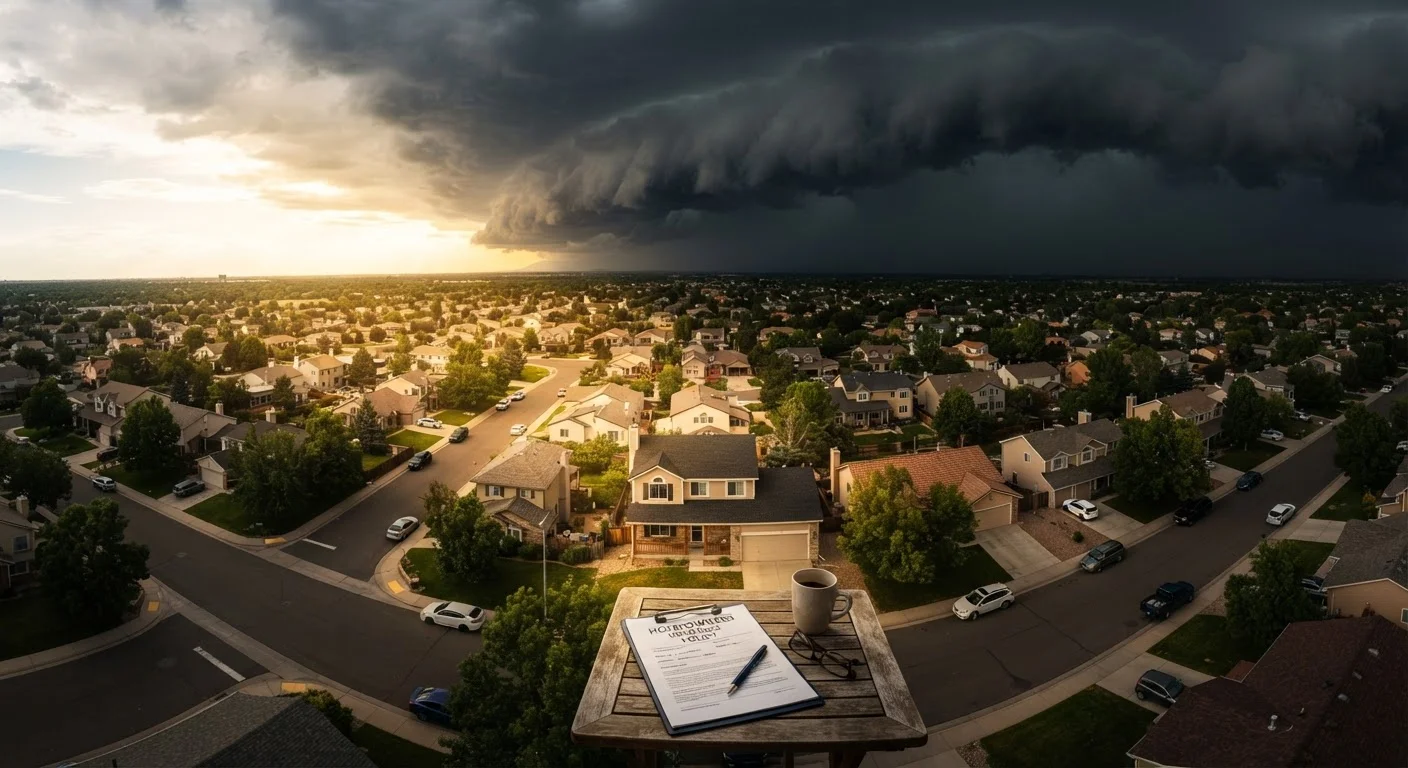
Photo: TargetReads.com | Explore Engaging Reads editorial
Key Takeaways
- Standard homeowners policies often exclude floods and earthquakes — separate coverage may be required.
- Documenting your belongings before a disaster is essential to supporting a future insurance claim.
- Knowing your insurer's claims contact process in advance saves critical time during an emergency.
- Storing policy documents and records in multiple secure locations protects access when you need it most.
- Loss of use coverage can help pay for temporary housing, but limits and conditions vary by policy.
Why Preparation Before a Disaster Matters
Most people think about insurance after something goes wrong. But the decisions you make — and the records you keep — before a natural disaster strikes are what determine how smoothly a claim gets processed and how much of your loss is actually covered.
Standard homeowners policies are more limited than many policyholders realize. As covered in things home insurance typically does not cover, floods, earthquakes, and sewer backups are routinely excluded from standard policies. If your home sits in a flood-prone or seismically active area and you haven't secured separate coverage, a disaster could leave you largely unprotected.
This checklist is designed to be completed well ahead of hurricane season, wildfire season, or any period when severe weather risk rises in your area. Use it to audit your coverage, organize your records, and get your household ready to act quickly if the worst happens.
Home Inventory App or Spreadsheet
Used to catalog your possessions room by room with photos, descriptions, and estimated values for claim documentation.
Cloud Storage Account
Stores digital copies of policy documents, home inventory, photos, and key records so they remain accessible if your home is damaged.
Fireproof, Waterproof Document Box
Keeps physical copies of insurance cards, deeds, and identification protected from fire and flood damage at home.
Your Insurance Policy Declarations Page
Summarizes your coverage limits, deductibles, and policy number — the first document an insurer will ask for when you file a claim.
Insurer's Mobile App or Claims Portal
Many insurers offer digital claim filing tools; downloading and setting up your account in advance speeds the process after a disaster.
The Complete Pre-Disaster Checklist
Work through each group below at your own pace. Some items take only a few minutes; others — like creating a home inventory — may take an afternoon. Completing all of them puts you in a much stronger position when filing a claim.
Review Your Coverage
Document Your Belongings
Secure and Copy Key Documents
Know Your Claims Process
Prepare Your Property
Don't Wait Until a Warning Is Issued
After the Checklist: Stay Ready Year-Round
Completing this checklist once is a strong start, but insurance needs change. If you renovate your home, purchase expensive equipment, or experience major life changes, revisit your coverage limits and update your home inventory. The household insurance coverage checklist is a useful companion for auditing your broader insurance picture beyond just property coverage.
When a disaster does occur, how you communicate with your insurer matters. See how the home insurance claims process works for guidance on documenting damage, working with adjusters, and avoiding common mistakes that can reduce your payout.
If you're uncertain about your policy's structure — what dwelling coverage actually pays for, how loss of use works, or what personal property limits apply — the standard parts of a home insurance policy, decoded breaks each section down in plain language.
This article provides general insurance information for educational purposes only and is not personalized insurance, financial, or legal advice. Coverage terms, exclusions, and eligibility vary by provider and state. Always read your actual policy documents and consult a licensed insurance agent or adviser for guidance specific to your situation.
The content on this site is for informational purposes only and is not a substitute for professional advice. Always consult a qualified professional for guidance specific to your situation.