
Things Home Insurance Typically Does Not Cover

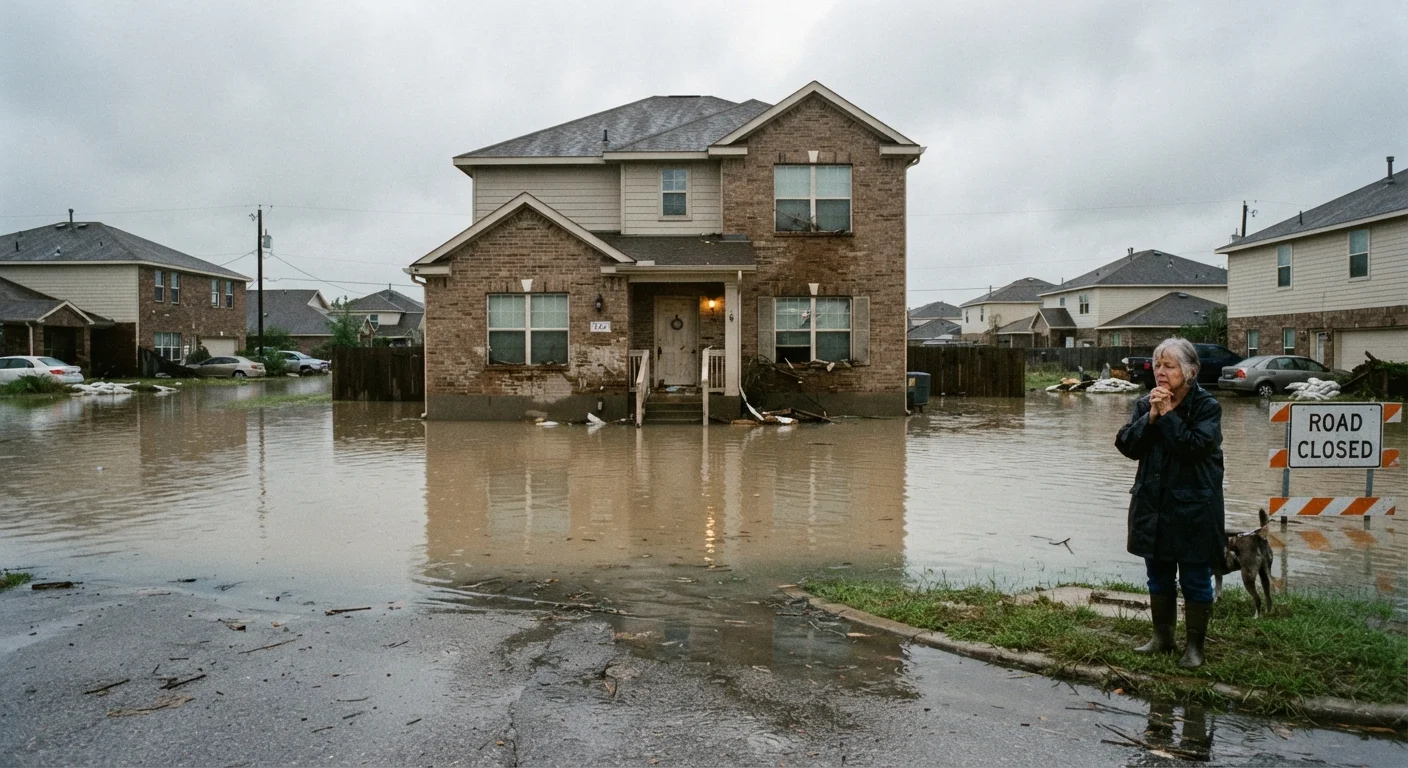
Photo: TargetReads.com | Explore Engaging Reads editorial
Key Takeaways
- Standard homeowners policies exclude floods, earthquakes, and several other common hazards by default.
- Separate policies or endorsements are usually required to fill these coverage gaps.
- Maintenance-related damage is almost universally excluded — insurers expect homeowners to prevent it.
- Business activities conducted at home may not be covered under a personal homeowners policy.
- Reading your actual policy declarations and exclusions page is the only reliable way to know your gaps.
Why Standard Coverage Has Limits
Most homeowners assume their insurance policy is a broad financial safety net — one that will catch them after nearly any disaster. In reality, a standard homeowners policy (often called an HO-3 in the US) is a named-perils or open-perils contract with specific, written exclusions. Understanding what falls outside those boundaries is just as important as knowing what's inside them.
If you're newer to how home insurance is structured, our guide to the standard parts of a home insurance policy explains the key sections before you dive into the gaps. And for a broader grounding in homeowners coverage, see what every policyholder should understand about auto and home insurance.
The list below covers the most common and consequential exclusions. Coverage terms, conditions, and exclusions vary significantly between insurers and states — always read your own policy documents and speak with a licensed insurance professional about your specific situation.
Flood Damage
Flood damage is one of the most significant and widely misunderstood exclusions in standard homeowners insurance. Whether the water comes from a nearby river, storm surge, or heavy rainfall overwhelming drainage systems, a standard policy does not cover it.
Separate flood insurance is available through the federal NFIP, administered by FEMA, as well as through some private insurers. Even homeowners who do not live in a designated high-risk flood zone may be eligible — and vulnerable. According to FEMA, floods can occur in any region of the country.
If you live in a flood-prone area or near a body of water, speak with a licensed agent about obtaining a separate flood policy. Note that NFIP policies typically have a 30-day waiting period before coverage takes effect.
Flood damage is excluded from standard home policies — a separate flood policy is always required.
Earthquakes and Ground Movement
Ground movement — including earthquakes, landslides, sinkholes, and soil settling — is excluded from virtually all standard homeowners policies. This surprises many policyholders who live in regions not traditionally associated with seismic risk.
Earthquake insurance is available as a separate policy or endorsement in most states. In California, the California Earthquake Authority (CEA) is a major source of this coverage. Premiums and deductibles for earthquake policies can be substantially different from standard home insurance, and deductibles are often expressed as a percentage of dwelling value rather than a flat dollar amount.
Sinkhole coverage rules vary considerably by state — some states require insurers to offer it; others do not. Check your state's insurance department resources for local rules.
Earthquakes, landslides, and soil movement are excluded from standard policies in every state.
Sewer Backup and Water That Enters from Below
A backed-up sewer or overflowing sump pump can cause significant damage to a home's interior — but this scenario is typically excluded from standard coverage. The exclusion applies whether the backup originates in a municipal line or your own drain system.
Many insurers offer a water backup endorsement (sometimes called a sewer backup rider) that can be added to a standard policy for an additional premium. This is often one of the more affordable gap-fillers available and is worth asking about explicitly, since it is not always automatically included or prominently offered.
Note that this endorsement is distinct from flood insurance — they cover different sources of water damage and should not be confused.
Sewer backup coverage is a separate endorsement — it is not part of a standard homeowners policy.
Maintenance-Related Deterioration
Insurance is designed to cover sudden, accidental losses — not the gradual wear and tear that comes with owning a home. Damage that results from deferred maintenance, slow leaks over time, mold growth, rot, rust, or pest infestations (including termites) is almost universally excluded.
Insurers expect homeowners to maintain their property in reasonable condition. If an adjuster determines that damage resulted from a long-standing leak you failed to address, the claim will likely be denied even if the visible outcome looks dramatic.
This underscores the importance of routine home upkeep — not just for the property's condition, but for preserving your ability to make valid insurance claims when something sudden does happen.
Gradual deterioration, mold, and pest damage are excluded because insurers expect basic home maintenance.
Home-Based Business Property and Liability
If you run a business from your home — whether a side hustle or a full-time operation — your standard homeowners policy may provide little to no coverage for business-related property or liability. Business equipment, inventory, and client injuries on your property may fall outside personal policy limits.
A home-based business endorsement, an in-home business policy, or a separate commercial policy may be needed depending on the nature and scale of your business activities. This is especially relevant as remote work and small businesses operating from residences have become more common.
Review what your policy says about "business pursuits" exclusions and discuss your situation with a licensed agent to avoid an unpleasant surprise if a work-related loss occurs at home.
Business equipment and client liability at home are often not covered under a personal homeowners policy.
High-Value Items Above Standard Sublimits
Standard homeowners policies do cover personal property — but they impose sublimits on certain categories, including jewelry, fine art, collectibles, firearms, and silverware. These sublimits can be far lower than the actual value of the items. For example, a policy might cap jewelry coverage at $1,500 regardless of what your collection is worth.
Scheduling individual items (also called a personal articles floater or endorsement) allows you to insure high-value possessions for their appraised value. This typically requires an appraisal and results in broader, itemised protection.
To understand how your policy values property at claim time — which directly affects payout — see our explanation of replacement cost vs. actual cash value in home insurance.
Jewelry, art, and collectibles face low sublimits — scheduling items individually provides proper coverage.
Damage Caused by Certain Dog Breeds or Exotic Animals
Homeowners liability coverage generally protects you if someone is injured on your property, but many insurers exclude claims related to bites or injuries caused by specific dog breeds they deem higher-risk — or by exotic animals entirely. The list of excluded breeds varies by insurer and may not always be transparently disclosed at purchase.
If you own a dog, particularly a breed that some insurers flag, it is important to ask your insurer directly about any animal-related exclusions in your policy. Some insurers may cancel coverage or decline to renew if they discover you own an excluded breed after binding the policy.
Alternative coverage options may be available through specialty insurers. If your standard liability coverage feels thin in general, umbrella insurance policies can extend liability protection in some situations, though breed exclusions may carry over.
Certain dog breeds and exotic animals may be explicitly excluded from your homeowners liability coverage.
Closing the Gaps Before You Need To
Discovering a coverage gap after a loss is one of the most stressful financial surprises a homeowner can face. The good news is that most of these gaps can be addressed — through separate policies, riders, or endorsements — before a claim arises.
Do This Before Your Next Renewal
Start by pulling out your current declarations page and exclusions section. If your policy language is unclear, a licensed independent insurance agent can walk you through what you actually have. For more on how claim outcomes can fall short of expectations even when coverage does apply, see why your home insurance claim might be smaller than you expected.
It's also worth reviewing your entire household insurance picture periodically. Our household insurance coverage checklist can help you identify gaps across multiple policy types, and insurance types beyond home and auto covers specialty products that often fill these exact needs.
This article is for general informational purposes only and does not constitute personalised insurance, financial, or legal advice. Coverage terms, exclusions, and availability vary by insurer, policy, and state. Always read your policy documents carefully and consult a licensed insurance professional for guidance specific to your situation.
The content on this site is for informational purposes only and is not a substitute for professional advice. Always consult a qualified professional for guidance specific to your situation.