
Liability vs. Full Coverage: What the Difference Means for Your Car

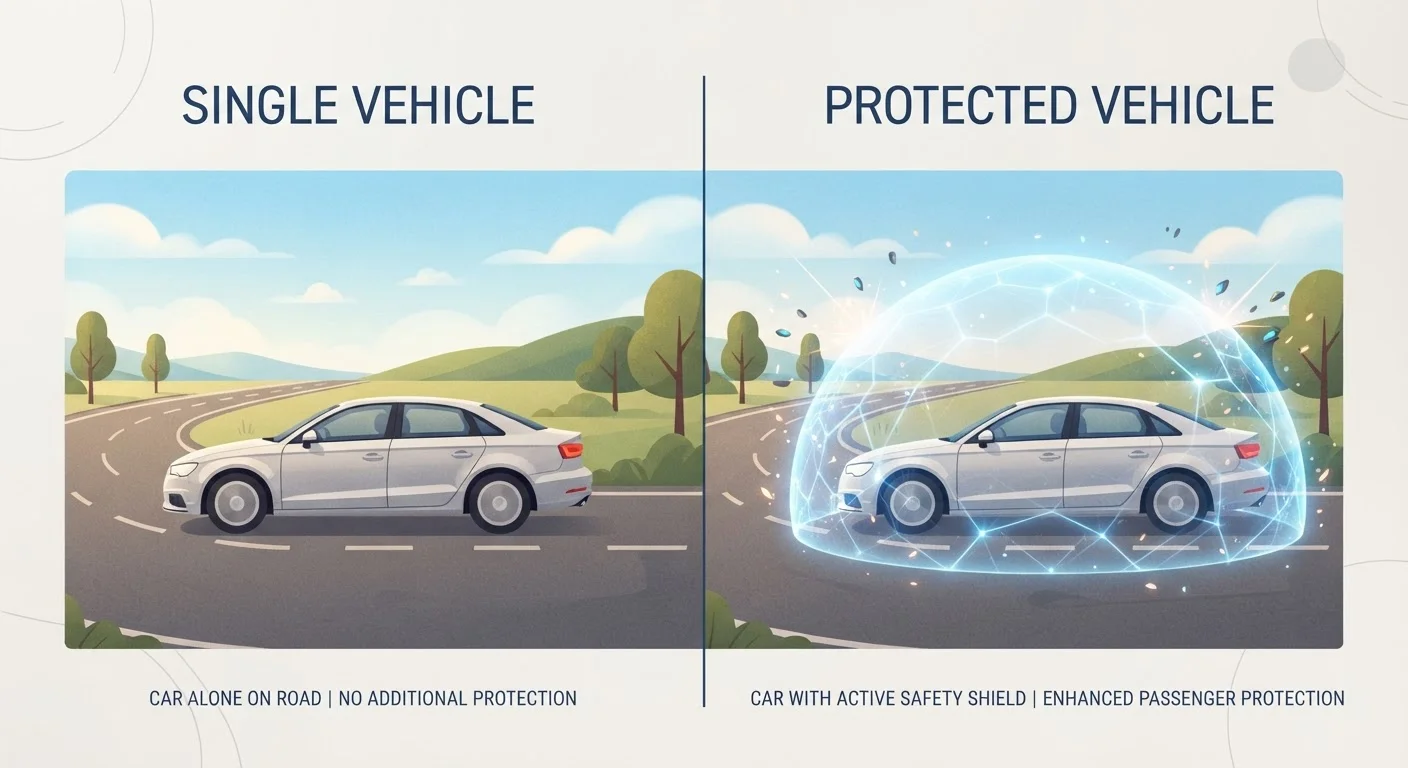
Photo: TargetReads.com | Explore Engaging Reads editorial
Key Takeaways
- Liability insurance covers damage you cause to others — it does not pay for your own vehicle repairs.
- Full coverage bundles liability with collision and comprehensive protection for your own car.
- Lenders typically require full coverage if you have an active auto loan or lease.
- Your vehicle's value, loan status, and risk tolerance are the primary factors in choosing between the two.
- Neither option is universally better — the right choice depends on your individual financial situation.
What Liability Coverage Actually Covers
Liability insurance is the foundation of any auto policy and is legally required in almost every U.S. state. It pays for damage you cause to other people and their property when you are at fault in an accident. There are two components:
- Bodily injury liability: Covers medical expenses, lost wages, and legal costs for the other driver and passengers if you injure them.
- Property damage liability: Pays to repair or replace the other party's vehicle or any property — a fence, a mailbox — that you damage.
What liability insurance does not cover is equally important to understand: it will not pay a single dollar toward repairing or replacing your own vehicle after an accident, regardless of how severe the damage is. If you rear-end another car and total yours, you are entirely responsible for your own repairs. For a deeper look at all the coverage types that can fill that gap, see our plain-language breakdown of auto coverage types.
Minimum Liability Limits Vary by State
What 'Full Coverage' Actually Means
Despite the name, "full coverage" is an informal term — not an official insurance category. It generally refers to a policy that combines liability insurance with two additional coverages:
- Collision coverage: Pays to repair or replace your vehicle after an accident with another car or object, regardless of fault.
- Comprehensive coverage: Covers non-collision losses such as theft, vandalism, fire, flooding, hail, or striking an animal.
Together, these three layers mean your insurer can respond to a much wider range of scenarios. A fallen tree damages your parked car? Comprehensive handles it. You slide on ice and hit a guardrail? Collision applies. You cause a three-car pileup? Liability responds to the other parties while collision covers your own vehicle.
Full coverage policies also come with a deductible — the amount you agree to pay out of pocket before your insurer covers the rest. Higher deductibles lower your premium; lower deductibles cost more monthly but reduce your out-of-pocket exposure after a claim. Our broader guide on auto and home insurance fundamentals covers how deductibles work across policy types.
| Criterion | Liability-Only | Full Coverage |
|---|---|---|
| Covers other parties' injuries/damage | Yes | Yes |
| Covers your own vehicle after a collision | No | Yes (collision coverage) |
| Covers theft, weather, or fire damage | No | Yes (comprehensive coverage) |
| Required by lenders/lessors | No | Typically yes |
| State legal requirement | Minimum required in most states | Not legally mandated, but may be contractually required |
| Deductible applies | No | Yes, for collision and comprehensive |
| Premium cost | Lower | Higher |
| Best suited for | Older, low-value, paid-off vehicles | Newer, financed, or high-value vehicles |
How to Decide Which One Makes Sense for You
The choice between liability-only and full coverage comes down to three practical questions:
- What is your car worth? A common rule of thumb is to consider dropping collision and comprehensive if your annual premium for those coverages approaches 10% of the vehicle's actual cash value. A car worth $3,000 generating $400 a year in collision and comprehensive premiums may not justify the cost — especially with a deductible on top.
- Do you carry a loan or lease? If so, your lender almost certainly requires full coverage. This is not optional — it protects the lender's financial interest in the vehicle.
- Could you absorb the loss out of pocket? Liability-only is a calculated financial risk. If your car were totaled tomorrow, could you fund a replacement without insurance money? If the answer is no, full coverage provides that safety net.
It is also worth noting that liability limits vary significantly. State-mandated minimums are often far lower than what a serious accident actually costs. Drivers who want protection beyond their standard policy limits can explore umbrella insurance policies as a supplemental layer of liability protection.
~13%
Estimated share of U.S. drivers uninsured
According to the Insurance Research Council, roughly one in eight drivers on U.S. roads carries no insurance, underscoring why liability coverage rules exist.
49 of 50
U.S. states requiring minimum auto liability insurance
New Hampshire is the only state that does not mandate liability insurance outright, though it does require drivers to demonstrate financial responsibility.
This article provides general educational information about auto insurance concepts. Coverage terms, exclusions, and requirements vary by state and by insurer. Consult a licensed insurance agent or adviser to evaluate the options that are appropriate for your specific situation.
The content on this site is for informational purposes only and is not a substitute for professional advice. Always consult a qualified professional for guidance specific to your situation.