
Renters Insurance vs. Homeowners Insurance: Coverage That Often Gets Confused

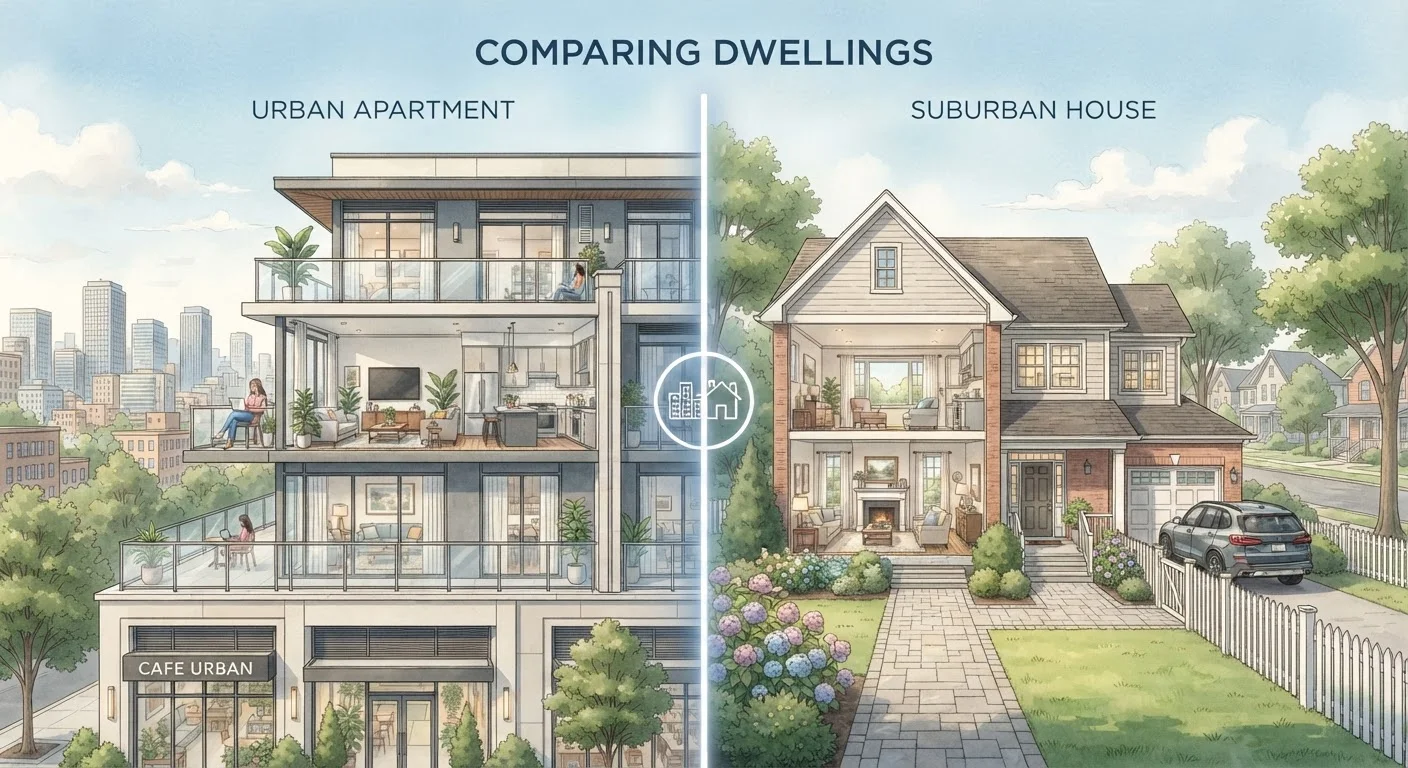
Photo: TargetReads.com | Explore Engaging Reads editorial
Key Takeaways
- Renters insurance covers your personal belongings and liability, but never the building itself.
- Homeowners insurance covers both the physical structure and the owner's personal property.
- Your landlord's policy protects the building only — not your furniture, electronics, or clothing.
- Both policy types typically include personal liability and additional living expenses coverage.
- Homeowners insurance premiums are generally higher, reflecting the broader scope of coverage.
- Neither policy automatically covers floods or earthquakes — separate coverage is typically needed.
The Core Distinction: What Each Policy Actually Insures
The single most important difference between renters and homeowners insurance comes down to what is being insured. Homeowners insurance covers the physical structure of the home — the walls, roof, foundation, and built-in systems — along with the owner's personal property inside. Renters insurance, by contrast, covers only the tenant's personal property and liability; the building itself is never part of the renter's policy.
This distinction matters enormously in practice. If a fire damages the apartment building where you rent, your landlord's policy pays for repairs to the structure. Your renters policy handles your destroyed furniture, clothing, and electronics. If you own the home and the same fire occurs, your homeowners policy addresses both the structural damage and your personal belongings.
Understanding what renters insurance actually covers helps tenants avoid the common assumption that a landlord's policy extends any protection to them — it does not.
| Criterion | Renters Insurance | Homeowners Insurance |
|---|---|---|
| Covers the building structure | No | Yes |
| Covers personal belongings | Yes | Yes |
| Personal liability coverage | Yes | Yes |
| Additional living expenses | Yes | Yes |
| Typical cost (monthly) | Generally lower | Generally higher |
| Usually required by | Some landlords | Mortgage lenders |
| Flood or earthquake coverage | Not standard | Not standard |
| Who it's designed for | Tenants | Property owners |
Shared Coverages: Where the Two Policies Overlap
Despite their differences in scope, both policy types share several core coverage components.
- Personal property coverage: Both policies reimburse for damage to or loss of belongings — from theft to fire to certain water damage events.
- Personal liability coverage: If someone is injured in your home or apartment and holds you responsible, both policies can help cover legal costs and damages up to the policy's liability limit.
- Additional living expenses (ALE): If your residence becomes uninhabitable due to a covered event, both policies can help pay for temporary housing and related costs while repairs are made.
These shared components mean that tenants are not left entirely without protection — renters insurance delivers meaningful coverage even without touching the structure. Learn more about what renters coverage actually means for everyday tenants, including the liability and loss-of-use components that many people overlook.
~57%
U.S. renters who carry renters insurance
According to the Insurance Information Institute, roughly 57% of renters in the U.S. have renters insurance, leaving a large share of tenants without protection for their belongings.
88%
U.S. homeowners with homeowners insurance
The Insurance Information Institute estimates approximately 88% of homeowners carry homeowners insurance, driven largely by mortgage lender requirements.
3–5x
Typical cost difference between policy types
Homeowners insurance premiums are generally three to five times higher than renters premiums, reflecting the inclusion of structural coverage.
Key Differences in Cost, Scope, and Requirements
Homeowners insurance is a substantially broader product, and its premiums reflect that. Because it must cover the replacement cost of an entire structure — which can run into hundreds of thousands of dollars — homeowners policies carry higher premiums on average. Renters policies are typically far less expensive because they exclude that structural exposure entirely.
Another important difference is who requires each type. Mortgage lenders almost always require homeowners insurance as a loan condition — they have a financial interest in the property and need it protected. Renters insurance, by contrast, is often optional unless a landlord includes it as a lease requirement. Many tenants go without it, unaware of the financial exposure that creates.
Both policy types also have important gaps. Standard versions of neither policy cover flood damage or earthquakes — those require separate policies or endorsements. Homeowners policies exclude more than many people realize, and the same logic applies to renters coverage. Reviewing any policy's exclusions carefully before relying on it is essential.
Your Landlord's Policy Does Not Cover You
This article provides general insurance education and is not personalized insurance, financial, or legal advice. Coverage terms, exclusions, and premiums vary by provider and state. Always read actual policy documents and consult a licensed insurance agent for guidance specific to your situation.
The content on this site is for informational purposes only and is not a substitute for professional advice. Always consult a qualified professional for guidance specific to your situation.