
Short-Term vs. Long-Term Disability Insurance: Key Differences to Know

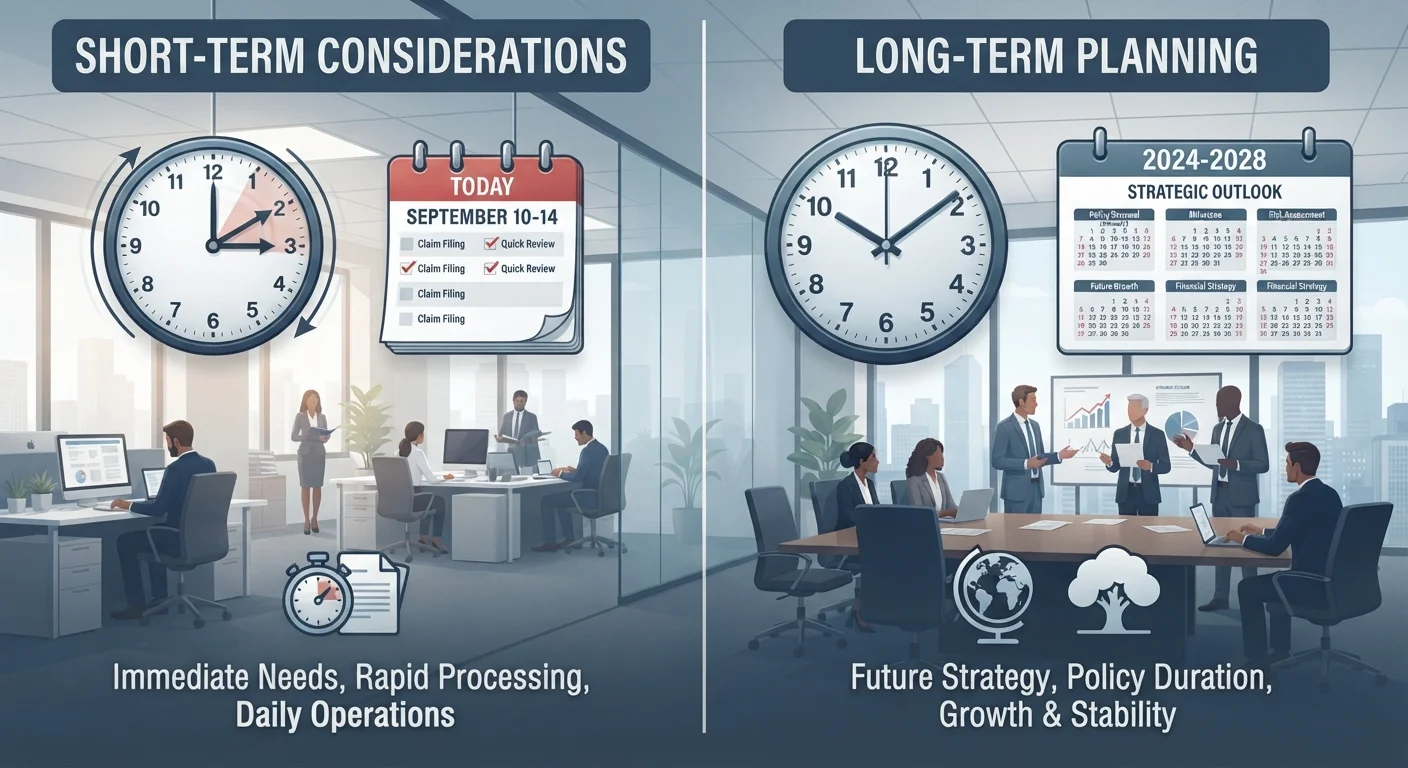
Photo: TargetReads.com | Explore Engaging Reads editorial
Key Takeaways
- Short-term disability typically pays benefits for three to six months; long-term can last years or until retirement age.
- Short-term policies have shorter elimination periods — often zero to fourteen days — while long-term policies usually require a 90-day wait.
- Long-term disability insurance generally replaces a larger portion of lost income over a sustained period.
- Many employers offer both types together so coverage transitions seamlessly from one to the other.
- Neither type covers every condition; exclusions, definitions of disability, and benefit amounts vary by policy.
What Each Policy Is Designed to Do
Disability insurance replaces a portion of your income when an illness or injury prevents you from working. But there is no single, one-size-fits-all policy — instead, the market is divided into two distinct types, each designed for a different phase of disability.
Short-term disability (STD) insurance is built for the early weeks and months of an inability to work. It activates quickly after a covered event and pays a weekly or monthly benefit for a limited period, typically between three and six months, though some policies extend to one year. Common uses include recovery from surgery, a difficult pregnancy, or an acute injury.
Long-term disability (LTD) insurance picks up where short-term coverage ends. It is designed for serious conditions — chronic illness, a major accident, or a progressive disease — that keep someone out of work for years or even permanently. Benefit periods commonly run from two or five years all the way to age 65 or Social Security retirement age. For that reason, LTD is widely considered one of the most important and underutilized forms of insurance available to working adults.
Understanding how these two types can be modified with riders is also useful — features like cost-of-living adjustments or own-occupation definitions can significantly change what a policy delivers.
How the Key Terms Compare
Three variables define how these policies behave in practice: the elimination period (how long you wait before benefits begin), the benefit period (how long payments last), and the benefit amount (how much income is replaced).
| Criterion | Short-Term Disability | Long-Term Disability |
|---|---|---|
| Elimination period | 0–14 days (varies) | 60–180 days (often 90) |
| Benefit period | 3–6 months (up to 1 year) | 2–5 years or to age 65 |
| Income replacement | Typically 60–70% of gross income | Typically 50–70% of gross income |
| Common source | Employer group plan | Employer plan or individual policy |
| Medical underwriting | Often not required (group plans) | Usually required (individual plans) |
| Portability | Typically employer-tied | Portable if individually purchased |
The elimination period distinction matters most in real emergencies. A person with no short-term coverage who files a long-term claim may face 90 days with zero income replacement — a gap that can deplete savings quickly. That is why financial educators often recommend holding both types in tandem, or maintaining enough liquid savings to bridge a long-term policy's waiting period.
Benefit amounts also vary. STD policies typically replace 60–70% of gross income. LTD policies often replace a similar percentage, but some employer-sponsored plans cap the monthly dollar amount, which can leave higher earners underinsured. Individual policies purchased outside of an employer plan may offer more flexibility in setting benefit levels.
1 in 4
Workers who become disabled before retirement
The Social Security Administration estimates that roughly one in four of today's 20-year-olds will experience a disability lasting 90 days or more before reaching retirement age.
34.6%
Private-sector workers with LTD coverage
According to the U.S. Bureau of Labor Statistics, only about a third of private-sector workers have access to employer-sponsored long-term disability insurance.
~$1,000
Average monthly SSDI benefit (approximate)
Social Security Disability Insurance payments often fall well below a worker's pre-disability income, underscoring the income gap private LTD policies are designed to fill.
Eligibility, Sources, and What Policies Exclude
Both types of disability insurance are available through employers as group benefits or purchased individually. Employer-sponsored group plans are often more affordable because the risk is spread across many employees, but they typically come with less flexibility and may not follow you if you change jobs.
Individual policies — purchased directly through an insurer — are portable, but cost more and usually require medical underwriting, meaning your health history affects eligibility and premiums. This is similar to distinctions seen in guaranteed issue vs. medically underwritten life insurance.
State Disability Programs: A Regional Exception
Most disability policies exclude pre-existing conditions for a period after the policy begins. They also typically exclude disabilities resulting from self-inflicted injury, war, or criminal activity. Importantly, the definition of disability — whether it means being unable to perform any occupation or only your own occupation — has a major impact on when and how long benefits are paid. Own-occupation definitions are generally more favorable to the policyholder and more common in individual policies.
State-mandated short-term disability programs exist in a handful of states, providing baseline coverage to most workers. Federal programs like Social Security Disability Insurance (SSDI) exist for long-term cases but involve a lengthy, rigorous approval process and are not a substitute for private LTD coverage.
This article provides general information about disability insurance concepts and is not personalized financial, legal, or insurance advice. Coverage terms, exclusions, and eligibility vary by insurer and by state. Consult a licensed insurance professional or financial adviser for guidance specific to your situation.
The content on this site is for informational purposes only and is not a substitute for professional advice. Always consult a qualified professional for guidance specific to your situation.