
Checking vs. Savings Accounts: Picking the Right Home for Your Money

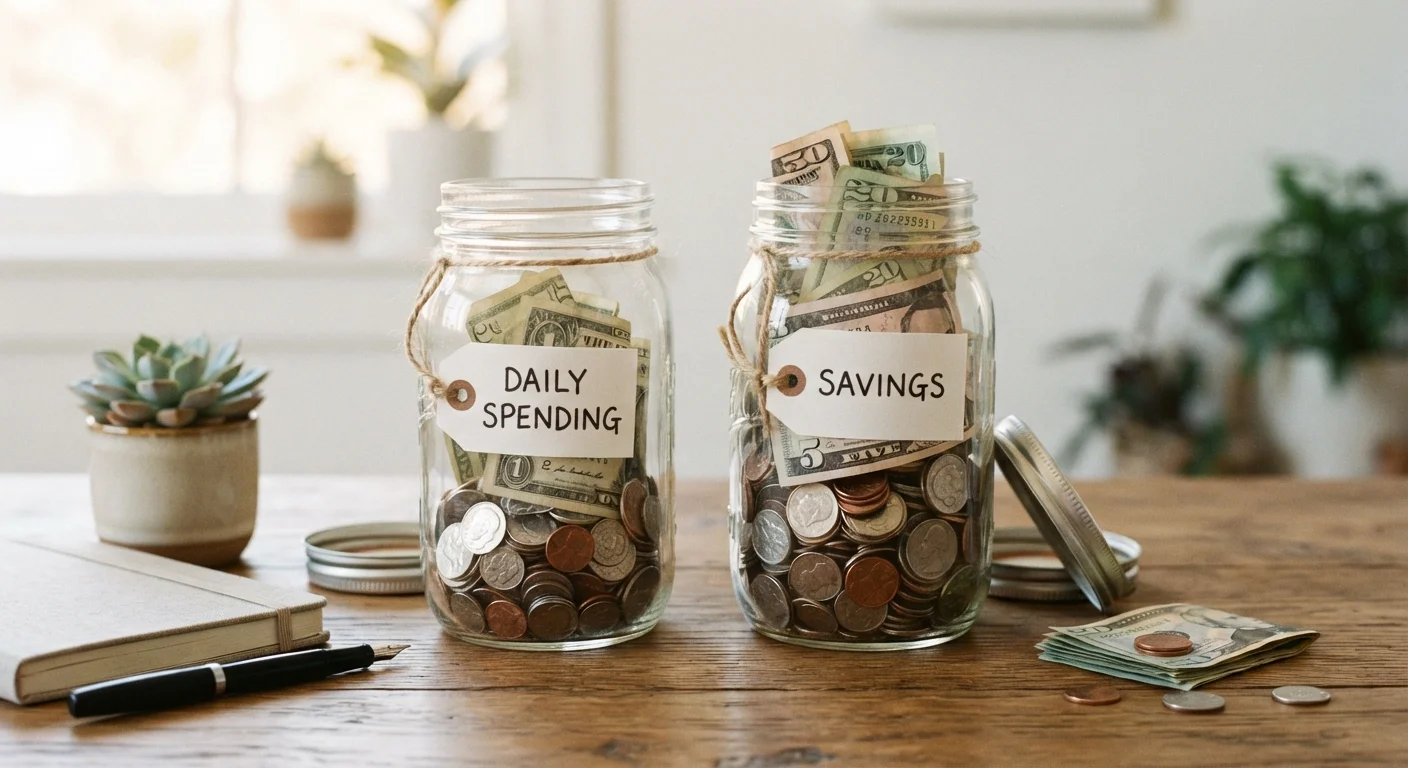
Photo: TargetReads.com | Explore Engaging Reads editorial
Key Takeaways
- Checking accounts are designed for frequent transactions; savings accounts are built to hold and grow money.
- Savings accounts typically earn interest; most standard checking accounts do not.
- Federal rules once limited savings withdrawals to six per month, though that restriction has been relaxed.
- Using both account types together is a common and effective strategy for managing daily cash flow and long-term goals.
- Neither account type is inherently better — the right choice depends on what the money is for.
What Each Account Is Actually Designed to Do
A checking account is a deposit account built around access. You can make as many transactions as you need — paying rent online, swiping a debit card at the grocery store, setting up automatic bill payments, or withdrawing cash at an ATM. There are generally no limits on how often you move money in or out. The trade-off is that most standard checking accounts pay little to no interest on the balance sitting in them.
A savings account, by contrast, is built around accumulation. Banks and credit unions typically pay a modest interest rate — expressed as an Annual Percentage Yield (APY) — on the money you keep there. The account is less suited to constant movement; historically, federal Regulation D limited certain savings withdrawals to six per statement cycle, though the Federal Reserve removed that mandatory cap in 2020. Many institutions still apply their own limits, so it's worth checking the specific terms of any account you open.
Understanding this core distinction — access versus accumulation — is the starting point for using both accounts strategically. To learn more about what happens when a checking account balance runs short, see our guide on overdraft protection.
How They Compare Across Key Features
The table below highlights the practical differences most consumers encounter day to day. No single feature makes one account universally superior — what matters is matching the account to the job.
| Criterion | Checking Account | Savings Account |
|---|---|---|
| Primary purpose | Daily transactions and spending | Storing and growing reserve funds |
| Transaction limits | Unlimited | May be limited by institution policy |
| Interest earned | Typically none or negligible | Yes — APY varies by institution |
| Debit card access | Standard feature | Rarely included |
| Check writing | Available | Usually not available |
| Best for | Bills, purchases, direct deposit | Emergency fund, savings goals |
| Monthly fees | Common; often waivable | Common; often waivable |
One detail worth noting on fees: monthly maintenance fees vary significantly by institution. Credit unions and community banks often charge lower fees than large national banks, and many online banks offer fee-free accounts of both types. Always review the fee schedule before opening any account.
Interest: Where Savings Accounts Pull Ahead
The interest advantage of savings accounts is real but context-dependent. APYs fluctuate with broader interest rate environments set by the Federal Reserve, so the rate you earn today may differ considerably from what you earned a few years ago or what you might earn in the future. High-yield savings accounts — often offered by online banks — have at times paid substantially more than traditional brick-and-mortar savings accounts, though rates across all institutions shift over time.
0.01%–0.10%
Typical APY at traditional banks
Standard savings accounts at large national banks have historically offered low APYs, often well below the national average tracked by the FDIC.
5x–10x
Higher rates at online banks vs. traditional
High-yield savings accounts at online institutions have at times offered rates significantly above the national average, though rates fluctuate with Federal Reserve policy.
Even modest interest compounds over time, which is why keeping long-term reserves in a savings account rather than leaving them idle in a checking account is a widely recommended practice. That said, savings accounts are not investment vehicles. If your goal is long-term wealth building, a savings account is a starting point, not a destination. For a broader look at where to focus limited dollars, see our piece on paying off debt while saving at the same time.
Using Both Accounts Together: A Practical Framework
Most financial educators recommend maintaining both account types simultaneously rather than choosing one over the other. The common approach works like this: your paycheck lands in your checking account, providing the liquidity you need for bills and daily spending. A predetermined amount — even a small one — automatically transfers to your savings account on payday, before you have a chance to spend it.
This structure keeps spending money and reserve money separated, which reduces the temptation to dip into savings for everyday purchases. Your savings account can serve multiple purposes: an emergency fund, a vacation fund, a down payment fund, or simply a cushion. If you're just establishing this habit, our guide on building a savings habit from zero walks through practical first steps.
FDIC and NCUA Insurance: Your Money Is Protected
When reviewing your overall financial picture, consider tracking both your checking balance trends and your savings growth alongside your debt progress. A monthly financial reset checklist can help you catch drift early and stay on track.
This article is for general informational purposes only and does not constitute personalised financial advice. Consult a qualified financial professional for guidance specific to your situation.
The content on this site is for informational purposes only and is not a substitute for professional advice. Always consult a qualified professional for guidance specific to your situation.