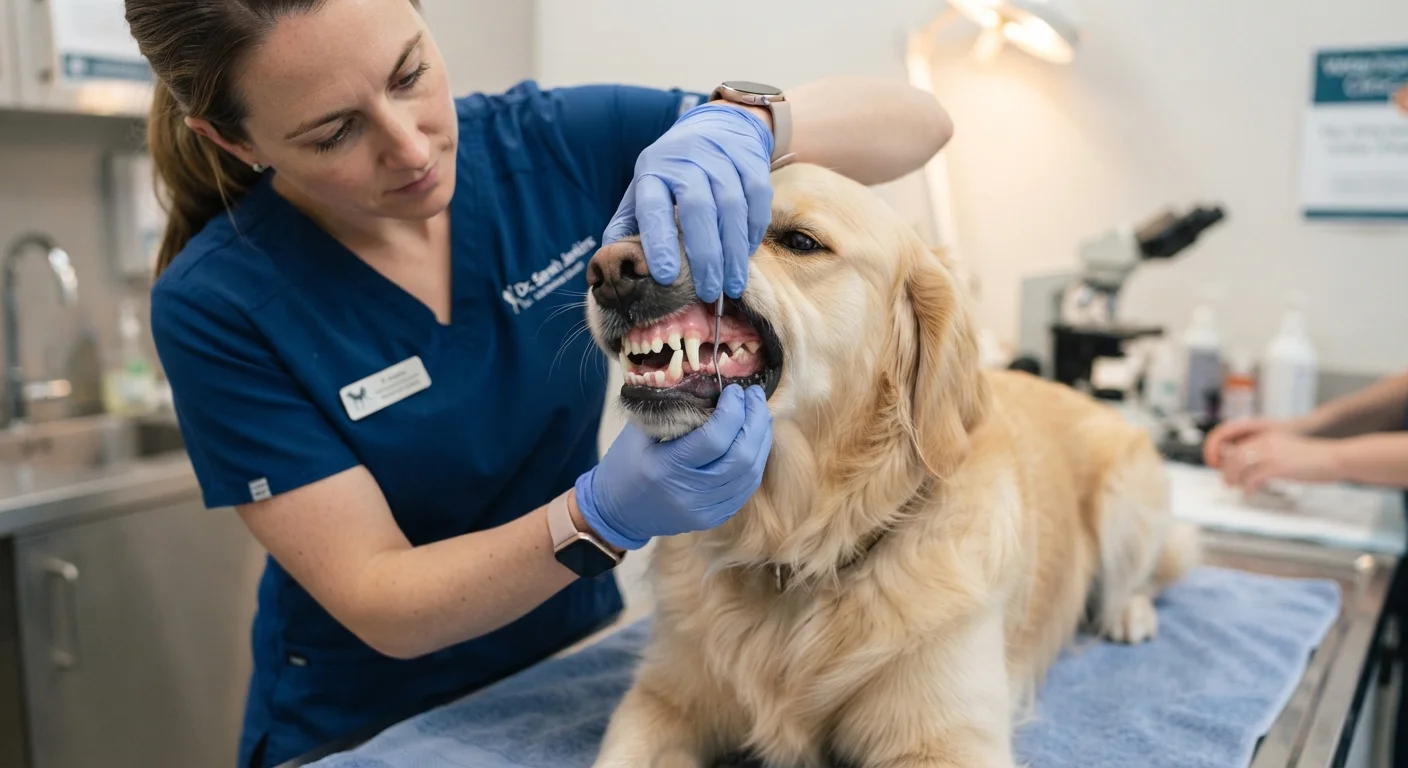
Common Myths About Spaying and Neutering, Addressed

Photo: TargetReads.com | Explore Engaging Reads editorial
Key Takeaways
- Spaying and neutering do not automatically cause weight gain — diet and activity levels are the primary factors.
- Most pets do not experience significant personality changes after being spayed or neutered.
- Waiting for a female pet to have one litter before spaying is not medically recommended.
- Spaying and neutering offer well-documented health benefits, including reduced risk of certain cancers.
- Timing recommendations vary by species, breed, and size — your vet is the best guide.
Why These Myths Persist
Spaying and neutering are among the most routinely performed veterinary procedures in the United States, yet misinformation about them remains widespread. Much of it circulates through well-meaning social networks, outdated advice passed down through generations of pet owners, and a general discomfort with surgical intervention on a healthy animal.
The result is that some pets miss out on real health benefits, and some owners carry unnecessary anxiety into the vet's office. The six myth-fact pairs below address the most common misconceptions directly, drawing on established veterinary consensus.
Myth
Spaying or neutering will make my pet fat.
Fact
Hormonal changes can slightly lower metabolism, but weight gain is caused by overfeeding and insufficient exercise — not the procedure itself.
This is one of the most persistent concerns pet owners raise, and it contains a grain of truth wrapped in a significant misunderstanding. Gonadal hormones do influence metabolism to some degree, so a spayed or neutered pet may have modestly lower caloric needs than before surgery. However, the procedure itself does not cause obesity.
Weight gain happens when calorie intake exceeds what a pet burns — and that equation is controlled by you. Adjusting portion sizes and maintaining regular activity are the two most effective tools. Explore the many factors behind pet weight gain to better understand what's actually at play.
Myth
My pet's personality will change dramatically after surgery.
Fact
Spaying or neutering may reduce hormone-driven behaviors, but your pet's core temperament and personality will remain intact.
Many owners worry they'll come home to a different pet after surgery. What actually changes are behaviors driven by reproductive hormones — such as roaming, mounting, or urine marking. These shifts are generally considered improvements, not losses.
Your pet's affection, playfulness, and individual quirks are shaped by genetics, early socialization, and learned behavior — not reproductive status. If you're navigating behavioral challenges post-surgery, read up on common training myths that may be complicating your approach.
Myth
Female pets should have one litter before being spayed.
Fact
There is no credible veterinary evidence that having a litter benefits a female dog or cat physically or emotionally.
This myth is widely repeated but lacks scientific support. No major veterinary organization recommends allowing a pet to reproduce before spaying as a health measure. In fact, spaying before the first heat cycle has been associated with a significantly reduced risk of mammary tumors in dogs, according to veterinary research.
Allowing an unplanned or poorly managed pregnancy also carries real health risks for the mother and adds to the existing overpopulation problem in shelters across the country.
Myth
Neutering eliminates all aggressive behavior in male dogs.
Fact
Neutering can reduce hormone-related aggression, but it is not a guaranteed fix for all forms of aggression.
Aggression in dogs is complex and multifactorial. While neutering may reduce inter-male aggression and territorial marking, fear-based aggression, resource guarding, and learned aggression are largely unaffected by reproductive hormones. These behaviors typically require behavior modification and, in some cases, guidance from a veterinary behaviorist.
If your dog displays aggression, neutering alone should not be treated as a substitute for a structured behavioral intervention plan.
Myth
Spaying and neutering are purely cosmetic — they offer no real health benefits.
Fact
These procedures are associated with measurable health benefits, including reduced risk of certain reproductive cancers and infections.
Spaying eliminates the risk of ovarian and uterine cancers and prevents pyometra — a life-threatening uterine infection common in intact female dogs and cats. Neutering eliminates testicular cancer risk and reduces the likelihood of prostate problems in male dogs.
These aren't minor perks. Pyometra alone can be fatal if not treated promptly with emergency surgery. Preventive care that reduces serious disease risk is always worth understanding fully — similar principles apply when humans overlook the value of preventive medical care.
Myth
All pets should be spayed or neutered at the same age.
Fact
Timing recommendations differ by species, sex, breed, and body size — there is no universal one-size-fits-all answer.
Veterinary guidance on optimal spay/neuter timing has evolved in recent years. Research has suggested that for some large and giant dog breeds, early neutering may be associated with increased risk of certain orthopedic conditions and some cancers. This has prompted more individualized conversations between vets and owners rather than blanket age rules.
Cats and small-breed dogs generally have different risk profiles. Your veterinarian is the appropriate person to help you weigh the timing decision for your specific pet's needs.
What to Discuss With Your Vet
No article — including this one — should substitute for a direct conversation with your veterinarian. Spay/neuter decisions involve your pet's species, breed, current health status, lifestyle, and your own circumstances as an owner. Timing, in particular, is no longer a simple universal recommendation.
Don't Delay Based on Myths Alone
If nutrition is part of your post-surgery adjustment plan, it's worth revisiting common pet nutrition myths that may be shaping your food choices. Separating evidence from popular belief — across health decisions — is always time well spent.
This article is for general informational and educational purposes only and does not constitute veterinary medical advice. Always consult a licensed veterinarian for guidance specific to your pet's health and circumstances.
The content on this site is for informational purposes only and is not a substitute for professional advice. Always consult a qualified professional for guidance specific to your situation.