
Common Myths About Pet Nutrition That Vets Regularly Correct

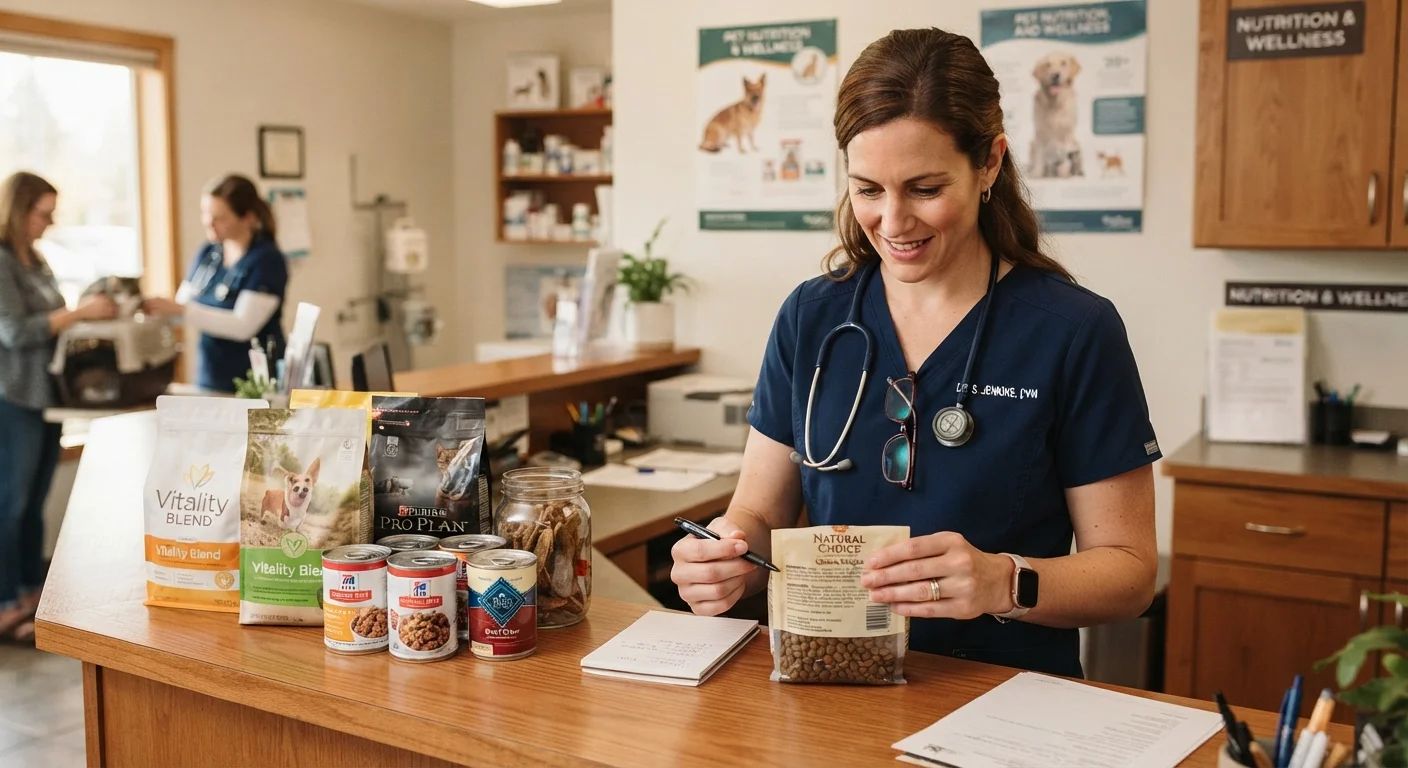
Photo: TargetReads.com | Explore Engaging Reads editorial
Key Takeaways
- Grain-free diets are not automatically healthier and may carry cardiovascular risks for some dogs.
- Table scraps — even in small amounts — can introduce dangerous foods and unhealthy calorie loads.
- Cats are obligate carnivores with unique nutrient requirements that dogs and humans do not share.
- A balanced commercial diet rarely needs supplementation; adding extras without vet guidance can cause harm.
- Life-stage nutrition matters: food formulated for puppies or kittens is not appropriate for adult or senior pets.
Why Pet Nutrition Myths Persist
Pet food marketing, social media influencers, and well-meaning friends are often the first sources new owners consult — and not always the most reliable. Veterinarians routinely spend clinic time untangling beliefs that sound logical on the surface but contradict established nutritional science. If you're just building your knowledge base, our plain-language introduction to pet nutrition covers the fundamentals before diving into corrections like these.
The myths below are among the most common ones veterinary professionals encounter. Understanding why they're wrong — not just that they are — helps owners make genuinely better decisions at the food bowl.
Myth
Grain-free diets are healthier for all dogs because grains are unnatural fillers.
Fact
Grains are digestible, nutritious ingredients for most dogs, and grain-free diets are not inherently superior — and may carry risk.
The grain-free trend was largely driven by a parallel to human gluten-free diets, but dogs are not humans. Whole grains such as brown rice, oats, and barley provide digestible carbohydrates, fiber, and B vitamins. True grain allergies in dogs exist but are uncommon — beef, dairy, and chicken are far more frequent dietary allergens.
More significantly, the FDA launched an investigation into a possible link between grain-free diets and canine dilated cardiomyopathy (DCM), a serious heart condition. The research conversation is ongoing and complex — a detailed breakdown of what the evidence shows so far can help you understand the nuance. Unless your vet has identified a specific grain sensitivity, switching to grain-free is not a straightforward upgrade.
Myth
Table scraps are fine in moderation — a little bit of human food never hurt anyone.
Fact
Many common human foods are toxic to pets, and even non-toxic scraps can unbalance a pet's diet and encourage begging.
The phrase "in moderation" glosses over a real danger: some of the most harmful foods for dogs and cats — grapes, raisins, onions, garlic, xylitol, macadamia nuts, and chocolate — appear in everyday meals. A small amount of certain toxic foods can cause serious organ damage. A household reference of documented toxic foods is worth bookmarking for any pet owner.
Beyond toxicity, regular table scraps add untracked calories, fat, and salt, and often reward the begging behavior that most owners find frustrating. Even well-intentioned treats from the dinner table can push a pet toward obesity over months and years.
Myth
Cats can eat the same food as dogs — protein is protein.
Fact
Cats are obligate carnivores with specific nutrient requirements that dog food does not meet.
Unlike dogs, cats cannot synthesize taurine, arachidonic acid, or vitamin A from plant precursors — they must obtain these nutrients directly from animal tissue. Dog food is not formulated to supply adequate taurine for cats, and a cat fed dog food long-term risks serious deficiencies, including heart disease and vision loss.
Cats also have a higher protein requirement than dogs and lack certain digestive enzymes that allow dogs to process a wider range of foods. The biological differences between these two species run deep — understanding why one diet cannot serve both is fundamental to responsible multi-pet ownership.
Myth
Raw diets are always more natural and therefore safer and more nutritious than commercial food.
Fact
Raw diets carry documented food safety risks and are not proven superior to properly formulated commercial diets.
The appeal of raw feeding rests on the idea that ancestral diets were raw and therefore optimal. But domesticated pets are not wild animals, and raw meat carries real risks: Salmonella, Listeria, and E. coli contamination can affect both pets and the humans handling their food. Major veterinary organizations, including the AVMA, advise against raw diets for this reason.
Homemade raw diets are also frequently nutritionally incomplete. Studies have found that many formulations are deficient in calcium, phosphorus, or key vitamins. Sorting the evidence from the enthusiasm around raw feeding offers a thorough, research-grounded look at what is and isn't supported by the current science.
Myth
If a pet food has a long ingredient list, it must be more nutritious.
Fact
Ingredient count is not a reliable measure of nutritional quality or balance.
Ingredient lists are ordered by weight before cooking, so a meat listed first may contribute less protein than it appears once moisture is removed. A food with 40 ingredients is not automatically better than one with 15 — what matters is whether the final diet meets established nutrient profiles for the species and life stage.
The most reliable signal of a nutritionally complete diet is the AAFCO nutritional adequacy statement on the label, which confirms the food meets minimum standards — either through formulation or feeding trials. Ingredient-list scrutiny is useful, but it should complement, not replace, that certification check.
What Sound Pet Feeding Actually Looks Like
Correcting myths is only half the equation. Knowing what evidence-backed feeding looks like in practice is equally important. Veterinary nutritionists generally recommend choosing a diet that carries an AAFCO nutritional adequacy statement appropriate to your pet's life stage — growth, maintenance, or all life stages. That label language signals the food has met established nutrient profiles, not just a marketing promise.
~60%
U.S. dogs and cats estimated overweight or obese
The Association for Pet Obesity Prevention's annual surveys have consistently found more than half of American dogs and cats fall into overweight or obese categories, with overfeeding cited as a primary contributing factor.
4–5%
Dogs with confirmed food allergies
Veterinary dermatology literature estimates that true food allergies affect a small minority of dogs — far fewer than the number of pets currently on allergy-marketed or elimination diets.
Portion accuracy matters more than most owners realize. Measuring cups used loosely can deliver 20–30% more calories than intended, and treat calories add up quickly. Subtle portion drift and hidden treat calories are among the most overlooked drivers of gradual weight gain in household pets.
Before adding any supplement to your pet's routine, consult your veterinarian. Supplementation is warranted in specific situations — diagnosed deficiencies, certain health conditions, or life-stage gaps — but a complete commercial diet typically covers a healthy pet's needs without additions. Over-supplementing fat-soluble vitamins, for instance, can cause toxicity over time.
Never Adjust Your Pet's Diet Abruptly
For a deeper look at evaluating ingredients, portion sizing, and life-stage formulas through a science-backed lens, see feeding principles vets actually recommend. And if you share your home with both a dog and a cat, be aware that their nutritional needs are biologically distinct — one diet cannot appropriately serve both species.
This article is for general informational purposes only and does not constitute veterinary or medical advice. Always consult a licensed veterinarian for guidance specific to your pet's health and dietary needs.
The content on this site is for informational purposes only and is not a substitute for professional advice. Always consult a qualified professional for guidance specific to your situation.