
Keeping Pets Mentally Stimulated: The Case for Enrichment

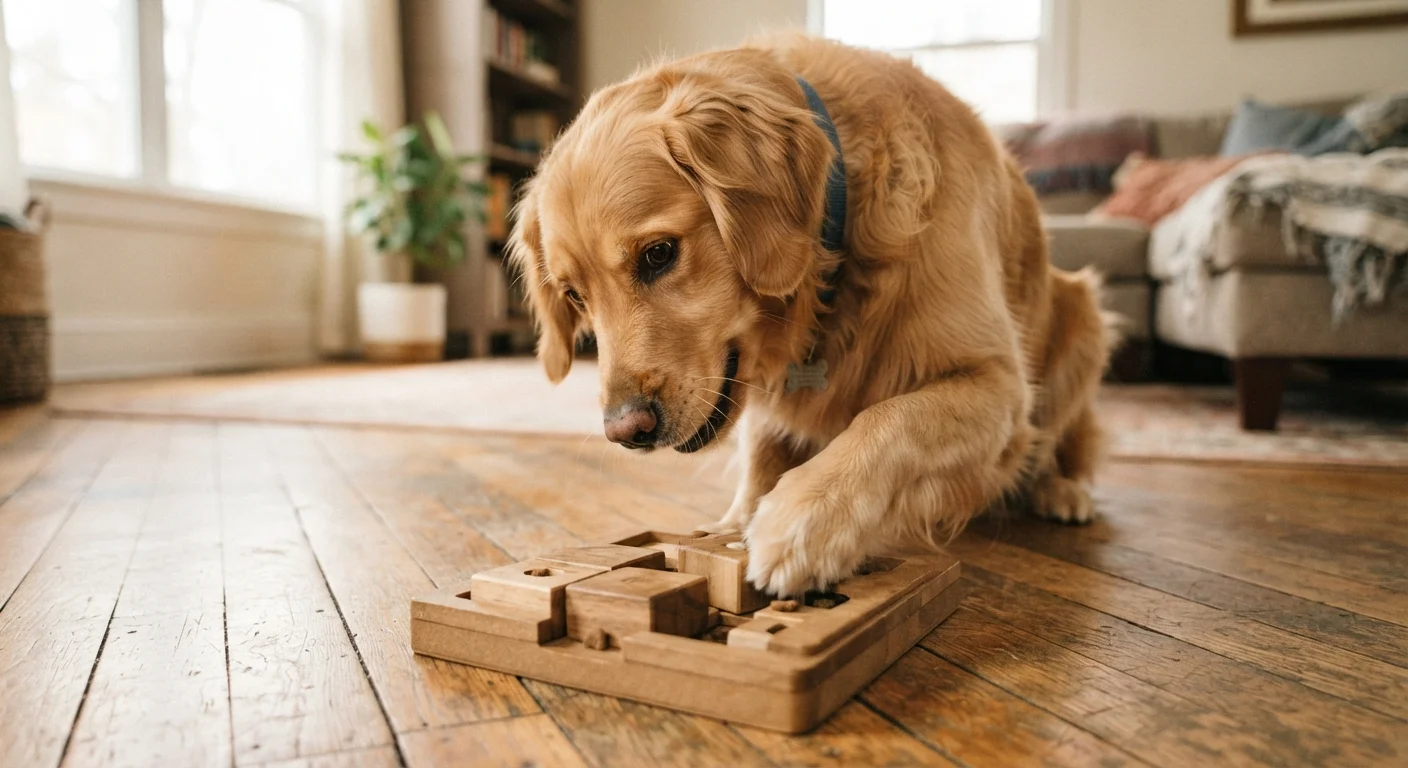
Photo: TargetReads.com | Explore Engaging Reads editorial
Key Takeaways
- Boredom in pets can cause destructive behavior, anxiety, and chronic stress if unaddressed.
- Enrichment meets animals' natural instincts — sniffing, foraging, exploring, and problem-solving.
- Simple, low-cost strategies can meaningfully improve your pet's daily quality of life.
- Enrichment needs vary by species, age, and individual temperament — one size does not fit all.
- Consistent enrichment routines benefit both physical health and emotional wellbeing.
Why Mental Stimulation Matters as Much as Physical Exercise
Most pet owners understand that exercise keeps animals physically fit — but mental stimulation is equally important and far more frequently overlooked. Veterinary behaviorists consistently recognize that under-stimulated pets are more likely to develop problem behaviors: excessive barking, destructive chewing, compulsive grooming, or aggression. These aren't character flaws; they're often signs that an animal's cognitive and instinctual needs aren't being met.
Every domesticated animal carries behavioral drives inherited from wild ancestors. Dogs are wired to sniff, track, and problem-solve. Cats have predatory instincts that need an outlet. Even small mammals like rabbits and guinea pigs are built for exploration and foraging. When those drives have nowhere to go, stress accumulates.
Enrichment — activities and environmental modifications that engage an animal's mind — bridges this gap. It doesn't require expensive equipment or hours of your time. What it requires is consistency and a basic understanding of what your specific pet actually needs. For guidance on shaping behavior alongside enrichment, explore the Pet Training & Behavior hub for practical, vet-aligned strategies.
Rotate Toys Regularly to Sustain Novelty
Pets habituate quickly to familiar objects. A toy that captivated your dog last week may be ignored today — not because the toy is poor quality, but because novelty itself is the reward. Rotating toys every few days keeps the same items feeling new and re-engages curiosity without requiring constant purchases.
Keep two or three toy sets and swap them out on a loose schedule. When a toy reappears after a week's absence, many pets interact with it as though it's brand new. This is especially effective for cats, whose predatory instincts are triggered most strongly by movement and unpredictability.
Rotating toys every few days re-engages curiosity without requiring constant new purchases.
Use Feeding as a Problem-Solving Opportunity
Standard food bowls deliver meals instantly, offering no cognitive engagement. Food-dispensing puzzles, stuffed chew toys, snuffle mats, and lick mats require pets to work for their food — and that work is genuinely satisfying for animals with foraging or hunting instincts.
For dogs, a stuffed rubber feeder frozen overnight can extend engagement significantly. For cats, hiding small portions of food around a room taps into their natural hunt-and-find behavior. Even scattering kibble in grass gives a dog's nose meaningful work to do. These techniques are especially helpful for pets prone to eating too quickly, as they slow consumption naturally.
Turning mealtime into problem-solving time satisfies foraging instincts and slows fast eaters naturally.
Prioritize Scent Work and Nose-Based Activities
A dog's sense of smell is estimated to be tens of thousands of times more sensitive than a human's, and engaging that system is cognitively exhausting in the best possible way. Even a fifteen-minute sniff walk — where your dog is allowed to stop and investigate at will rather than walk at heel — can leave many dogs more satisfied than a brisk thirty-minute structured walk.
Formal nose-work activities, where pets are trained to locate a specific scent, are accessible to dogs of nearly any age or mobility level. Cats can also benefit from scent enrichment through the introduction of novel smells: herbs, dried catnip, or safe natural scents placed in the environment for investigation.
A slow sniff walk can be more mentally tiring for dogs than a fast-paced structured walk.
Provide Species-Appropriate Environmental Complexity
Cats benefit enormously from vertical space — shelving, cat trees, and window perches give them territory to survey, claim, and move through. Horizontal territory matters too: hiding spots, tunnels, and boxes satisfy the instinct to conceal and observe. An environment that offers both height and hiding is far richer than open floor space alone.
For small mammals like rabbits, hamsters, and guinea pigs, tunnels, digging boxes, and foraging substrates are essential — not optional extras. Birds need opportunities to shred, forage, and interact with varied textures and materials. Species-appropriate complexity signals safety and control to animals that evolved in layered, unpredictable environments.
Vertical space and hiding spots give cats territory to survey and claim, reducing anxiety markedly.
Introduce Training as a Daily Mental Workout
Short, positive training sessions — even five to ten minutes — provide structured cognitive engagement that most pets find genuinely rewarding. Learning a new behavior or practicing a familiar one requires concentration, and that mental effort produces a calm, satisfied animal afterward.
Training doesn't need to be complex. Teaching a dog to identify named toys, or rewarding a cat for targeting a hand, builds the same bond and mental engagement as elaborate trick sequences. The key is keeping sessions short, ending on success, and using reward-based methods that make learning feel safe and fun. For a deeper look at shaping behavior through training, the Pet Training & Behavior hub offers practical, evidence-based guidance.
Five to ten minutes of daily training builds focus, confidence, and the human-pet bond simultaneously.
Offer Safe Social and Exploratory Opportunities
Controlled socialization — with other animals, people, or new environments — is a form of enrichment that addresses animals' social and exploratory drives. For dogs, supervised play with a compatible companion dog, or sniff-and-explore outings to new locations, provides variety that home environments can't fully replicate.
For pets that are less social by nature, novelty can come through environmental changes rather than interactions: a new cardboard box, a rearranged furniture layout, or a window with a different view. Even small changes to a familiar space activate the investigative behaviors animals are built for. Introduce changes gradually for anxious pets, and always monitor for signs of stress rather than excitement.
New environments and controlled social outings activate the investigative behaviors pets are built for.
Building Enrichment Into Everyday Life
The goal isn't to overhaul your pet's daily schedule but to weave enrichment into routines that already exist. Feeding time, for example, is a natural opportunity — and one of the easiest to upgrade. Many pets eat from a bowl in under two minutes; shifting to a puzzle feeder, snuffle mat, or scatter feeding can turn that same meal into ten to fifteen minutes of focused mental work.
Start Small and Observe Your Pet's Response
Enrichment also plays an especially important role as pets age. Cognitive decline is a documented concern in senior dogs and cats, and regular mental activity may help support brain health over time. If you care for an older animal, our guide to senior pet care covers how needs shift and what adjustments help most. For indoor cats in particular, enrichment can meaningfully compensate for reduced environmental variety — a topic explored in depth in our overview of indoor vs. outdoor cats.
The strategies below apply across species and environments. Start with one or two that fit your household, observe how your pet responds, and build from there. Your veterinarian or a certified animal behaviorist can offer personalized guidance if your pet's stress behaviors are persistent or severe.
This article provides general educational information about pet enrichment and is not a substitute for professional veterinary or behavioral advice. Consult a qualified veterinarian for guidance specific to your pet's health and needs.
The content on this site is for informational purposes only and is not a substitute for professional advice. Always consult a qualified professional for guidance specific to your situation.