Senior Pet Care: How Your Animal's Needs Shift with Age

Photo: TargetReads.com | Explore Engaging Reads editorial
Key Takeaways
- Dogs are generally considered senior between age 7 and 10, depending on breed size; cats around age 10–11.
- Senior pets need more frequent veterinary checkups — typically every six months rather than once a year.
- Nutritional needs shift with age: older pets often need fewer calories but more joint and organ support.
- Behavioral changes like confusion, restlessness, or withdrawal can signal pain or cognitive decline.
- Small home modifications — like ramps and non-slip mats — can significantly improve a senior pet's comfort.
When Does a Pet Become a Senior?
There is no single birthday that turns a pet senior. The transition depends on species, breed size, and individual health history. As a general guide:
- Dogs: Small breeds (under 20 lbs) tend to age more slowly and may not reach senior status until age 10. Large and giant breeds age faster; many are considered senior by age 6 or 7.
- Cats: Most cats enter their senior phase around age 10–11, with the designation "geriatric" typically used for cats 15 and older.
These thresholds matter because they signal when to begin proactive shifts in veterinary care, nutrition, and daily management — not because anything dramatically changes overnight. Think of it as a period to start paying closer attention.
Cognitive Dysfunction Syndrome (CDS)
A age-related brain condition in dogs and cats that causes confusion, disorientation, and behavioral changes similar to dementia in humans.
Life-stage diet
Pet food formulated specifically for a particular phase of life — such as puppy, adult, or senior — with nutrient levels adjusted to meet that stage's typical needs.
Glucosamine
A naturally occurring compound sometimes included in senior pet foods or supplements to support joint cartilage health, though evidence of effectiveness varies.
Geriatric
A term vets use for the oldest life-stage classification, typically applied to cats over 15 and dogs in the final quarter of their expected lifespan.
Hyperthyroidism
A condition in which the thyroid gland produces excess hormone, common in older cats, causing weight loss, increased appetite, and restlessness.
How Nutritional Needs Change with Age
Aging affects digestion, metabolism, and organ function in ways that directly influence what your pet needs from their food. Common changes include:
- Lower caloric needs: Reduced activity and slower metabolism mean many senior pets gain weight easily. Excess weight places added stress on joints and organs.
- Protein quality matters more: Some older pets — particularly those with kidney concerns — need carefully managed protein intake. Others, including many healthy senior dogs, may benefit from maintained or slightly increased protein to preserve muscle mass. Your vet is the right guide here.
- Joint support ingredients: Senior formulas often include omega-3 fatty acids and glucosamine, which may help support joint comfort, though evidence varies. See our article on when supplements are warranted for more context.
For a deeper look at how dietary requirements evolve across life stages, see The Life Stage Diet. And if your vet recommends a food transition, follow a gradual approach — our guide on transitioning to a new food explains how.
Talk to Your Vet Before Switching Foods
Health Monitoring: What to Watch For
Early detection is the single most powerful tool in senior pet care. Conditions like kidney disease, hyperthyroidism in cats, diabetes, and arthritis are far more manageable when caught before symptoms become severe. Signs that warrant a prompt vet visit include:
- Sudden weight loss or gain
- Increased thirst or urination
- Lumps, bumps, or changes in skin condition
- Labored breathing or persistent coughing
- Difficulty rising, reluctance to use stairs, or obvious limping
- Changes in appetite or elimination habits
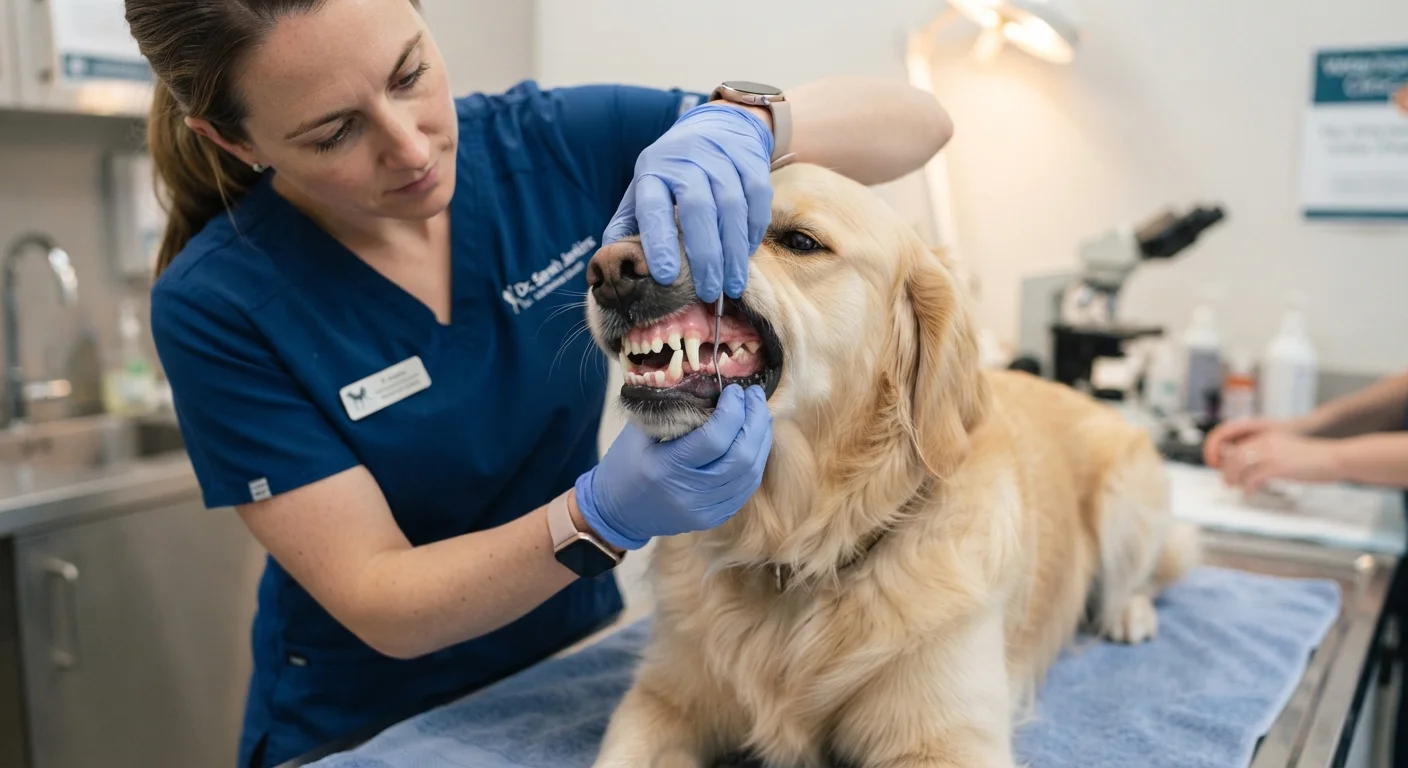
Dental health is a frequently overlooked element of senior wellness. Gum disease is common in older pets and has been linked to systemic health issues. Our article Pet Dental Health Is More Than Fresh Breath covers why oral care deserves a place in your senior pet's routine.
Not every symptom signals an emergency, but it can be hard to know when urgency is warranted. The guide Emergency vs. Urgent Care vs. Regular Vet can help you triage effectively.
Don't Dismiss Subtle Symptoms as 'Just Aging'
Behavioral Shifts in Older Pets
Changes in behavior are often the first signal that something physical has shifted. Owners sometimes attribute these changes to personality or aging generally — but they frequently have an identifiable and addressable cause.
Common behavioral changes in senior pets:
- Increased vocalization or nighttime restlessness: Can indicate pain, cognitive dysfunction, or sensory decline (hearing or vision loss).
- Withdrawal or reduced social interest: May reflect discomfort, anxiety, or early cognitive changes.
- Confusion or disorientation: A cluster of signs sometimes called Cognitive Dysfunction Syndrome (CDS) — the animal equivalent of dementia — can include pacing, forgetting familiar routines, and altered sleep cycles.
- Irritability or uncharacteristic aggression: Often tied to pain. A pet that snaps when touched in a new way may be hurting.
For guidance on recognizing pain signals, see Reading the Signs: How to Tell If Your Pet Is in Pain. Anxiety can also become more pronounced with age; Stress and Anxiety in Pets: What Owners Often Miss covers subtle signs owners frequently overlook.
Adapting Your Home and Daily Routine
Physical adjustments to your home can make a substantial difference in a senior pet's comfort and safety. Consider:
- Orthopedic bedding: Supportive beds reduce pressure on aging joints and are especially helpful for dogs with arthritis.
- Ramps and steps: Help pets access furniture or vehicles without jumping, which stresses joints significantly.
- Non-slip surfaces: Rugs or yoga mats over hardwood and tile prevent slipping, which is a genuine injury risk for older animals.
- Low-entry litter boxes: Important for senior cats with reduced flexibility or hip discomfort.
- Consistent routines: Predictability helps cognitively declining pets stay oriented and reduces anxiety.
Mental engagement still matters in old age. Short, gentle play sessions and puzzle feeders can help maintain cognitive function. See Keeping Pets Mentally Stimulated for enrichment ideas suited to lower-energy animals. Behavior support is also available through the Pet Training & Behavior hub, where training approaches can be adapted for senior pets with physical or cognitive limitations.
This article provides general information about senior pet care and is not a substitute for professional veterinary advice. Always consult a licensed veterinarian for guidance specific to your pet's health needs.
Frequently Asked Questions
The content on this site is for informational purposes only and is not a substitute for professional advice. Always consult a qualified professional for guidance specific to your situation.