
Raw Food Diets for Pets: Sorting the Evidence from the Enthusiasm

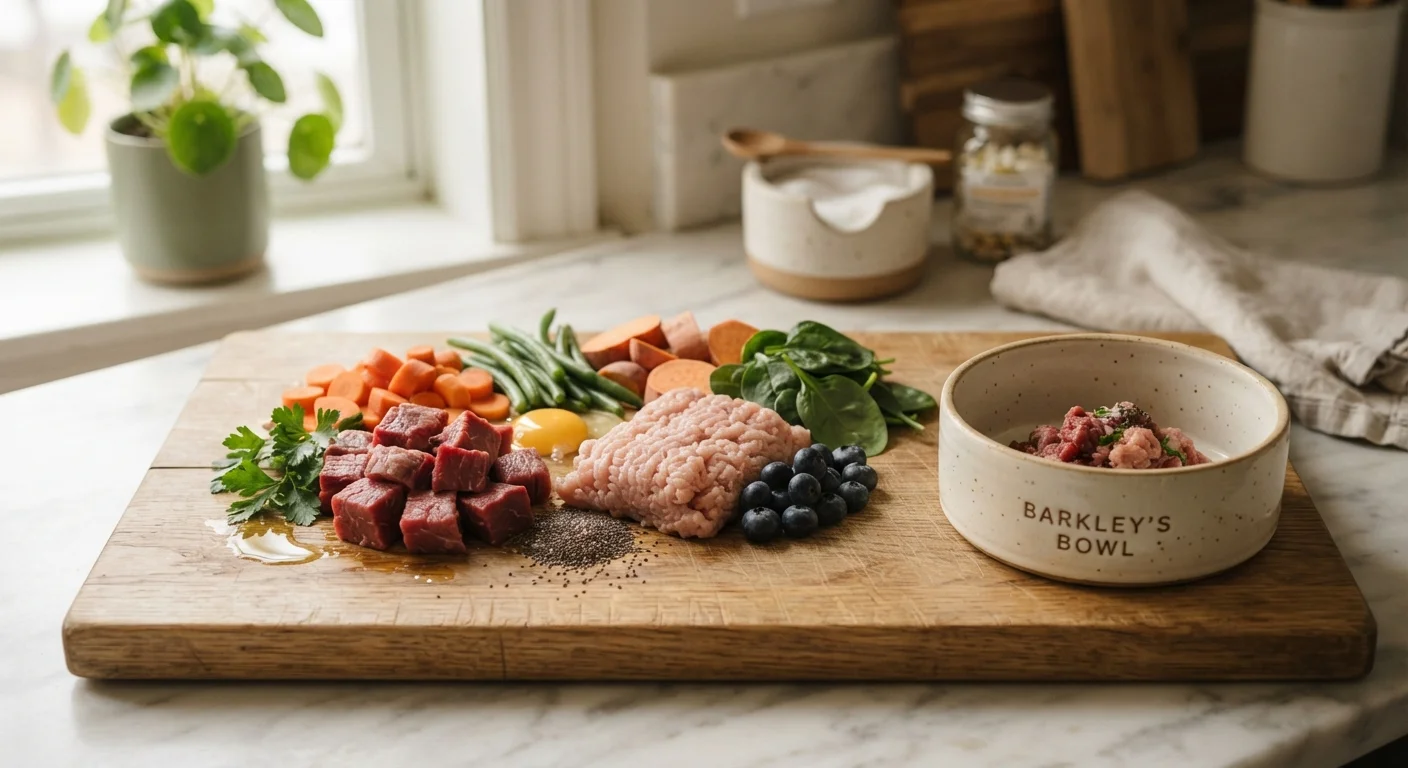
Photo: TargetReads.com | Explore Engaging Reads editorial
Key Takeaways
- Raw diets remain controversial — major veterinary organizations urge caution due to documented food safety and nutritional risks.
- Some owners report improvements in coat quality and digestion, but controlled clinical evidence supporting these claims is limited.
- Bacterial contamination — including Salmonella and Listeria — is a well-documented concern for both pets and the people who handle raw food.
- Homemade raw diets frequently fail to meet established nutritional standards without careful, vet-guided formulation.
- Pets with compromised immune systems, and households with young children or immunocompromised people, face heightened risk.
- A veterinary nutritionist is the most reliable resource for evaluating whether raw feeding is appropriate for an individual pet.
High moisture content supports hydration
Raw meat has a naturally high water content, which may benefit urinary tract health, particularly in cats who are prone to chronic dehydration when fed exclusively dry kibble.
Minimal processing preserves some heat-sensitive nutrients
Cooking degrades certain vitamins and enzymes; raw diets avoid this, though commercially processed pet foods are formulated to compensate for these losses through supplementation.
May improve stool volume and consistency
Many raw feeders report smaller, firmer stools, likely because raw diets tend to be lower in fermentable carbohydrates — a plausible, if anecdotally reported, benefit.
Increased owner control over ingredients
Raw feeding can appeal to owners concerned about specific additives or fillers in commercial food, allowing direct selection of protein sources and ingredients — provided formulation is nutritionally guided.
Raw meaty bones may support dental health
Chewing raw bones can mechanically reduce plaque accumulation; however, veterinary dental specialists note this benefit must be weighed carefully against the risk of tooth fractures and bone-related GI injury.
Documented pathogen contamination risk
Studies have consistently found Salmonella, Listeria, and other pathogens in commercially sold raw pet foods. These bacteria can sicken both pets and the people who handle their food or clean up after them.
Homemade diets frequently nutritionally incomplete
Without professional formulation, homemade raw diets often lack adequate calcium, phosphorus, or key vitamins — deficiencies that may not manifest clinically until significant damage has occurred.
Bone feeding carries physical injury risks
Raw bones can cause tooth fractures, intestinal perforations, and obstructions. Even proponents of raw feeding generally acknowledge that bone selection and supervision are critical safety factors.
Major veterinary bodies do not endorse the approach
The AVMA, AAHA, and the American College of Veterinary Nutrition have all issued policy statements discouraging raw feeding, citing insufficient evidence of benefit and well-documented safety concerns.
Higher cost and handling complexity
Raw feeding typically costs more than commercial kibble and requires dedicated freezer space, careful thawing protocols, and strict hygiene practices to manage contamination risk effectively.
Elevated risk for immunocompromised pets and people
Pets undergoing chemotherapy, those with chronic illness, and households with vulnerable human members face substantially higher stakes if a pathogen is introduced through raw food handling.
What Is Raw Feeding, and Why Is It Divisive?
Raw food diets for pets — often called BARF (Biologically Appropriate Raw Food or Bones and Raw Food) or simply "raw feeding" — typically consist of uncooked muscle meat, organ meat, raw meaty bones, and sometimes fruits, vegetables, and dairy. They can be homemade, purchased commercially as frozen or freeze-dried products, or a mix of both.
The core argument from proponents is evolutionary: dogs and cats are descended from wild animals that ate prey, not processed kibble, so raw food is closer to their "natural" diet. Critics — including the American Veterinary Medical Association (AVMA) and the American Animal Hospital Association (AAHA) — counter that domesticated pets live in very different conditions than wild animals, and that naturalness alone does not equal safety or nutritional adequacy.
For a grounding in how nutrition needs are established for pets, see our plain-language introduction to pet nutrition.
What "AAFCO Complete and Balanced" Actually Means
The Case For Raw Diets: What Advocates Point To
Supporters of raw feeding report a range of benefits — shinier coats, smaller stool volume, improved energy, and better dental health. Some of these observations are plausible biologically, but it is important to distinguish anecdotal reporting from controlled clinical evidence.
High moisture content supports hydration
Raw meat has a naturally high water content, which may benefit urinary tract health, particularly in cats who are prone to chronic dehydration when fed exclusively dry kibble.
Minimal processing preserves some heat-sensitive nutrients
Cooking degrades certain vitamins and enzymes; raw diets avoid this, though commercially processed pet foods are formulated to compensate for these losses through supplementation.
May improve stool volume and consistency
Many raw feeders report smaller, firmer stools, likely because raw diets tend to be lower in fermentable carbohydrates — a plausible, if anecdotally reported, benefit.
Increased owner control over ingredients
Raw feeding can appeal to owners concerned about specific additives or fillers in commercial food, allowing direct selection of protein sources and ingredients — provided formulation is nutritionally guided.
Raw meaty bones may support dental health
Chewing raw bones can mechanically reduce plaque accumulation; however, veterinary dental specialists note this benefit must be weighed carefully against the risk of tooth fractures and bone-related GI injury.
It is worth noting that some commercial raw diets are formulated to meet AAFCO (Association of American Feed Control Officials) nutritional profiles, which partly addresses the completeness concern — though this depends entirely on the specific product and how it is prepared or handled before feeding.
The Case Against Raw Diets: What the Research and Regulators Flag
The concerns raised by veterinary and public health organizations are not theoretical. Multiple peer-reviewed studies have detected pathogenic bacteria — including Salmonella, Listeria monocytogenes, and E. coli — in commercially available raw pet foods at rates significantly higher than in cooked alternatives.
Documented pathogen contamination risk
Studies have consistently found Salmonella, Listeria, and other pathogens in commercially sold raw pet foods. These bacteria can sicken both pets and the people who handle their food or clean up after them.
Homemade diets frequently nutritionally incomplete
Without professional formulation, homemade raw diets often lack adequate calcium, phosphorus, or key vitamins — deficiencies that may not manifest clinically until significant damage has occurred.
Bone feeding carries physical injury risks
Raw bones can cause tooth fractures, intestinal perforations, and obstructions. Even proponents of raw feeding generally acknowledge that bone selection and supervision are critical safety factors.
Major veterinary bodies do not endorse the approach
The AVMA, AAHA, and the American College of Veterinary Nutrition have all issued policy statements discouraging raw feeding, citing insufficient evidence of benefit and well-documented safety concerns.
Higher cost and handling complexity
Raw feeding typically costs more than commercial kibble and requires dedicated freezer space, careful thawing protocols, and strict hygiene practices to manage contamination risk effectively.
Elevated risk for immunocompromised pets and people
Pets undergoing chemotherapy, those with chronic illness, and households with vulnerable human members face substantially higher stakes if a pathogen is introduced through raw food handling.
The nutritional imbalance issue is particularly well-documented. A study published in the Journal of Nutritional Science found that a majority of homemade raw diet recipes evaluated online did not meet established minimum nutrient requirements. This mirrors concerns raised about other DIY feeding approaches — see our article on common pet nutrition myths vets regularly correct for related context.
~60%
Raw pet food samples testing positive for pathogens
A 2018 study in PLOS ONE testing 35 commercial raw meat pet food products found about 60% contained detectable Enterobacteriaceae; other studies have reported Salmonella in a meaningful proportion of tested samples.
Over 95%
Homemade raw recipes failing nutritional minimums
Research evaluating online homemade raw diet recipes found that the vast majority did not meet AAFCO minimum nutrient guidelines for dogs or cats when analyzed independently.
Food Safety: A Risk That Extends Beyond Your Pet
One aspect of raw feeding that is sometimes underweighted in online discussions is the risk to people, not just pets. Pets fed raw diets shed pathogens in their feces and can transfer bacteria through licking or contact with food preparation surfaces. The CDC and AVMA have both flagged this as a public health concern, particularly in households with infants, elderly individuals, pregnant people, or anyone with a weakened immune system.
Safe handling of raw pet food — treating it with the same precautions used for raw human-grade meat — is essential if you choose this feeding approach. This includes dedicated utensils, thorough hand-washing, and careful surface disinfection.
For a broader look at science-backed feeding practices, our guide on feeding principles vets actually recommend is a useful companion read.
Making an Informed Decision With Your Vet
If you are considering raw feeding, the single most important step is a conversation with a veterinary nutritionist — a specialist with formal credentials in animal nutrition, distinct from a general-practice veterinarian. They can assess your individual pet's health status, life stage, and any underlying conditions that might make raw feeding higher risk (such as a compromised immune system or gastrointestinal disease).
If the goal is a less processed diet, there are intermediate options worth exploring with your vet: commercially prepared, nutritionally complete fresh-cooked diets represent one such alternative. For pets on raw diets, supplementation gaps are common — our overview of when pet supplements are warranted explains why vet input matters before adding anything to the bowl.
Raw feeding is not a binary right-or-wrong choice for every pet, but it is a decision that carries real trade-offs — and one that deserves the same rigor you would apply to any significant health decision for an animal in your care.
This article is for general informational purposes only and does not constitute veterinary or medical advice. Always consult a licensed veterinarian or board-certified veterinary nutritionist before making significant changes to your pet's diet.
The content on this site is for informational purposes only and is not a substitute for professional advice. Always consult a qualified professional for guidance specific to your situation.