
When Good Training Sessions Go Wrong

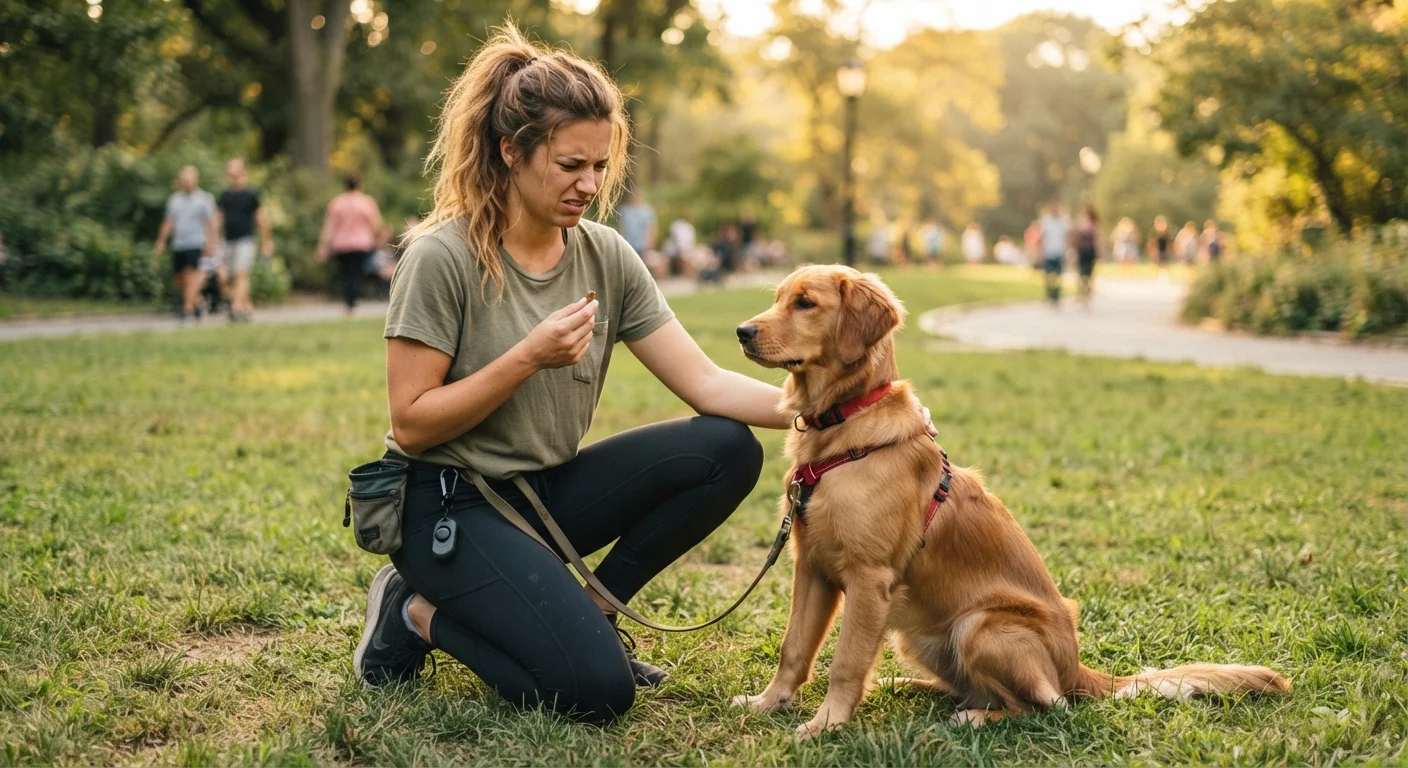
Photo: TargetReads.com | Explore Engaging Reads editorial
Key Takeaways
- Sessions lasting longer than 5–10 minutes often cause mental fatigue and regression in pets.
- Frustration in your voice or body language is detectable by dogs and can undermine trust.
- Using inconsistent commands across household members confuses pets and slows progress.
- Ending on a failure instead of a success leaves pets in a stressed state before the next session.
- Rewarding the wrong behavior — even accidentally — reinforces what you're trying to eliminate.
Why Good Intentions Aren't Enough
Most training sessions don't fall apart because owners don't care — they fall apart because a handful of subtle, repeatable errors quietly erode progress over time. A session that feels productive in the moment can actually be setting your pet back if the timing is off, the session is too long, or the emotional environment has shifted without you noticing.
Understanding where things go wrong is the first step toward fixing them. The mistakes below are among the most common seen in everyday training — not in punishment-heavy or neglectful approaches, but in genuinely well-meaning sessions that miss a few key details. For a broader look at method choices, positive reinforcement vs. correction-based training offers useful context on what the evidence actually supports.
Running sessions that are too long for your pet's attention span.
Letting frustration bleed into your tone, body language, or cue delivery.
Using different commands for the same behavior across different family members.
Ending a session on a failure or a skipped behavior.
Accidentally rewarding undesired behavior through mistimed reinforcement.
Skipping foundational behaviors to jump to advanced commands.
Building Sessions That Work Every Time
Avoiding these mistakes isn't about being a perfect trainer — it's about creating conditions where your pet can succeed. That means keeping sessions short and emotionally safe, using consistent language that everyone in the household agrees on, and always ending on a positive note your pet has earned.
Frustration Is a Training Signal, Not a Flaw
It also helps to remember that pets don't distinguish between "we were training" and "we were just living together." Every interaction is a data point. Training myths that could be holding your pet back covers some of the broader belief patterns that can quietly shape — and sometimes undermine — how owners approach daily interactions with their animals.
If you're unsure whether to practice skills in a group environment or one-on-one, group classes vs. private dog training sessions walks through the tradeoffs clearly. Either format can work — what matters most is what happens inside each session, not where it takes place.
5–10 min
Optimal length for most dog training sessions
Veterinary behaviorists and certified trainers consistently recommend keeping individual sessions brief to prevent cognitive fatigue and maintain engagement.
1–2 sec
Ideal reward timing window after desired behavior
Applied behavior analysis research shows that reinforcement delivered within one to two seconds of a behavior is most effective at strengthening that specific response.
This article provides general educational information about pet training practices. It is not a substitute for guidance from a certified professional animal trainer or veterinary behaviorist, particularly for pets with anxiety, aggression, or complex behavioral histories.
The content on this site is for informational purposes only and is not a substitute for professional advice. Always consult a qualified professional for guidance specific to your situation.