
Why Your Dog Pulls on the Leash—and What's Actually Happening

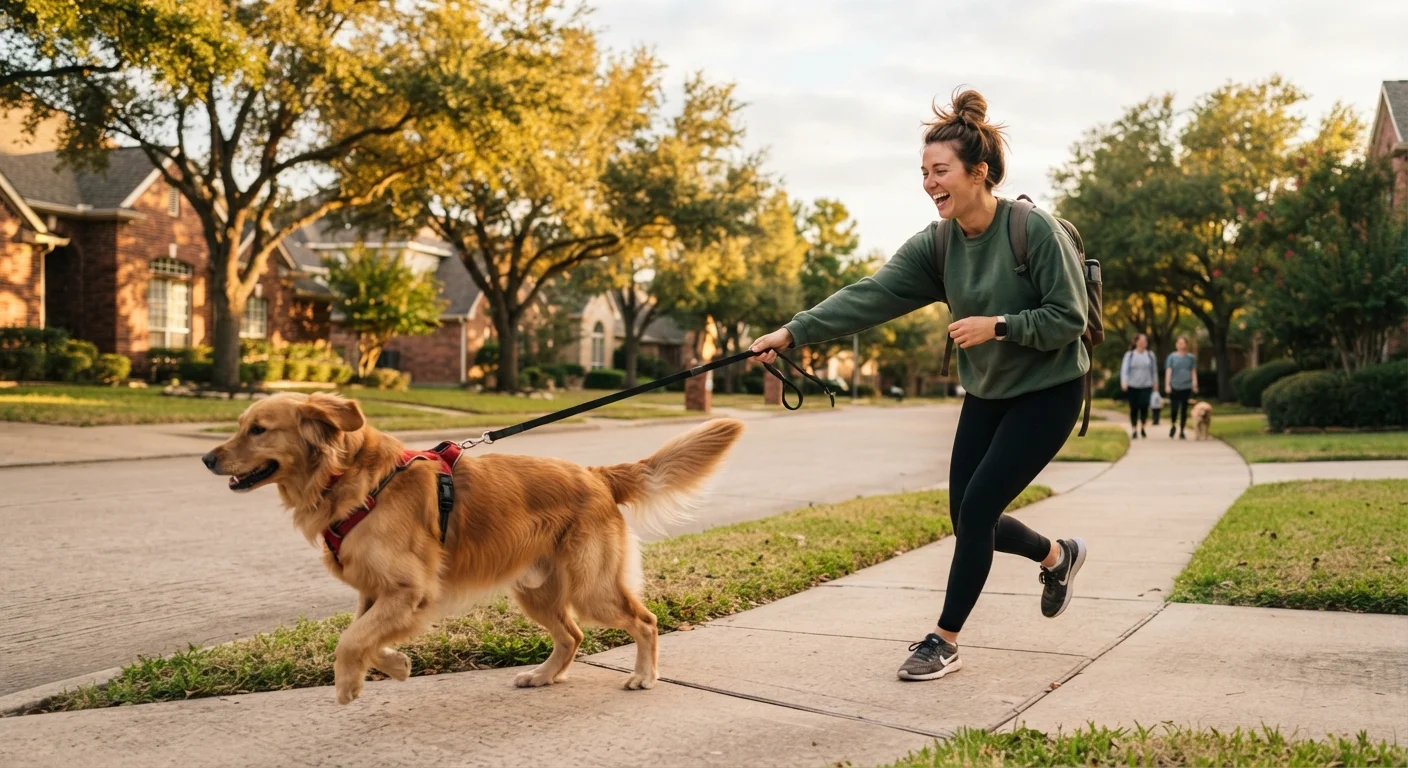
Photo: TargetReads.com | Explore Engaging Reads editorial
Key Takeaways
- Leash pulling is a learned habit, not stubbornness or dominance.
- Every step forward while the leash is taut teaches the dog that pulling works.
- Dogs pull because the environment ahead is far more stimulating than walking beside you.
- Understanding the behavioral root is the essential first step before attempting any fix.
- Consistency from every person who walks the dog is critical to breaking the pattern.
The Real Reason Dogs Pull—It's Not What You Think
Most owners assume their dog pulls because he's excited, badly behaved, or trying to be the boss. The actual explanation is more straightforward—and more actionable. Your dog pulls because pulling has worked every single time he's done it.
From the very first walk, dogs discover a simple equation: tension on the leash + forward movement = reaching the thing I want. That might be a fire hydrant, another dog, a patch of grass, or just the next block. The reward is immediate and consistent. Over dozens or hundreds of walks, that pattern becomes deeply ingrained.
To understand why this sticks so well, it helps to know a little about how dogs actually learn. The science behind how dogs learn makes clear that behaviors producing good outcomes get repeated—and pulling produces excellent outcomes for the dog, repeatedly, on every walk.
“Dogs don't pull on the leash to dominate their owners. They pull because it moves them toward things they find rewarding. Once owners understand that, they can start working with the dog's natural learning process rather than against it.”
— Dr. Karen Overall, Board-certified veterinary behaviorist and author on animal behavior
What's Happening Inside Your Dog's Head
When your dog steps outside, his senses are overwhelmed in the best possible way. Smells that humans can't detect, sounds from down the street, visual movement in every direction—the outdoor world is an extraordinarily rich environment for a dog's brain.
Walking calmly beside you, by comparison, offers almost nothing novel. So the dog is constantly pulled forward by curiosity and biological drive. The leash is simply the obstacle between him and everything interesting.
This isn't stubbornness. It's a mismatch between what the environment offers and what loose-leash walking requires. The dog isn't ignoring you—he's just operating on a very understandable priority system. Recognizing this distinction matters because it changes how you approach the problem. Frustration or punishment aimed at a "naughty" dog misses the point entirely.
Pay Attention to Where Pulling Spikes
How the Habit Gets Reinforced—Often Without You Realizing
Here's the part that surprises most owners: you've likely been reinforcing the pulling without meaning to. Every time your dog pulls and you keep walking, the lesson is clear—pulling works. Every time you let the leash go taut near the park entrance and then open the gate, the behavior strengthens.
This is why common training myths can actively make the problem worse. Assuming a dog "knows better" or will "grow out of it" leads owners to continue the very walks that are solidifying the habit.
~80%
Dog owners report leash pulling as a problem
Leash pulling is consistently cited among the top behavior complaints in surveys of dog owners conducted by veterinary and training organizations.
4–6 weeks
Typical timeframe for early loose-leash progress
Certified trainers generally note that consistent daily practice produces meaningful improvement within this window, though full habit change takes longer.
Consistency across all handlers matters enormously. If one family member allows pulling while another works to prevent it, the behavior persists because the dog has learned it sometimes works—and intermittent reinforcement is actually one of the most powerful forces keeping a behavior alive.
What This Means Before You Try to Fix It
Understanding the behavioral root of leash pulling isn't just academic—it's the foundation for any effective response. Jumping straight to equipment or correction techniques without this understanding means you're treating a symptom, not the cause.
A few principles are worth holding onto before beginning any training work:
- Pulling is normal dog behavior, not evidence of a flawed dog or poor ownership.
- The dog needs an alternative to learn—simply preventing pulling doesn't teach what to do instead.
- Every walk is a training session, whether you intend it to be or not. Unstructured walks during training can slow progress significantly.
- Progress is incremental. Expect small wins before consistent loose-leash walking becomes the norm.
If your dog has recently joined your household, building the right habits from day one is far easier than reversing established ones. The guide to setting up a new dog for success covers the early routines that prevent problems like this from taking root.
Leash Pulling and Physical Health
This article is for informational purposes only and is not a substitute for professional veterinary or certified animal behavior guidance. If your dog's pulling is accompanied by anxiety, reactivity, or aggression, consult a certified professional dog trainer or veterinary behaviorist.
Frequently Asked Questions
The content on this site is for informational purposes only and is not a substitute for professional advice. Always consult a qualified professional for guidance specific to your situation.