
Everyday Fashion

The Wardrobe Mistakes That Keep People Feeling Underdressed

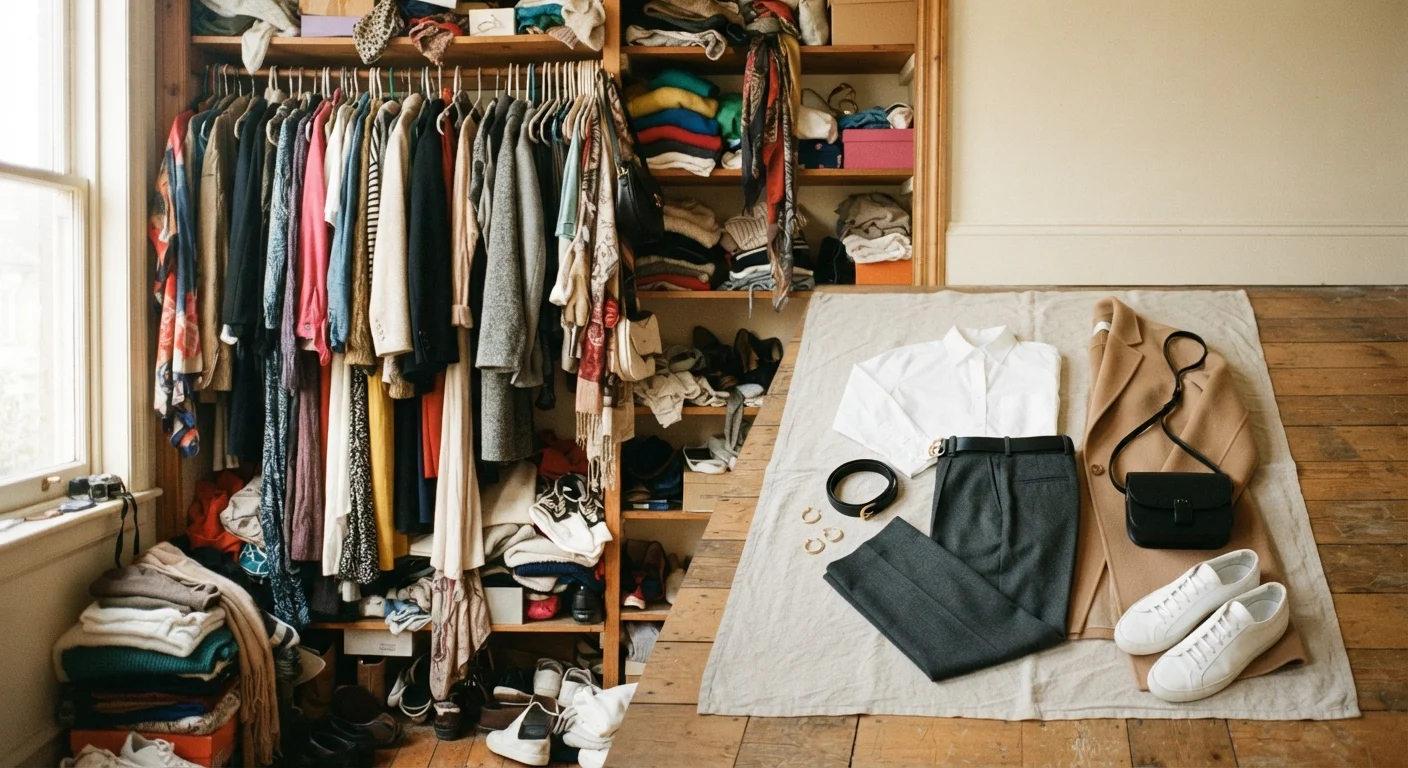
The Wardrobe Mistakes That Keep People Feeling Underdressed

Photo: TargetReads.com | Explore Engaging Reads editorial

Feeling like your outfits never quite land? These common wardrobe habits — from ignoring fit to over-buying trends — are often the cause.

Key Takeaways

  • Poor fit is the single most common reason an outfit looks off, regardless of price or style.
  • Buying trend pieces without a clear plan often leads to items that never get worn.
  • A functional wardrobe depends on versatile basics, not volume of clothing.
  • Ignoring your actual lifestyle when shopping creates a closet full of misfits.
  • Small finishing touches — like good shoes or simple accessories — often close the gap between underdressed and put-together.

Why Feeling Underdressed Is Usually a Wardrobe Structure Problem

That nagging sense that your outfit never quite lands — that you're somehow underdressed or just not put-together — is rarely about lacking style instinct. More often, it comes down to a handful of fixable wardrobe habits that quietly sabotage even the most enthusiastic shopper.

The good news? These mistakes are common, well-understood, and very correctable. You don't need a bigger budget or a total overhaul. You need to know what's actually getting in the way.

1

Wearing clothes that don't fit your current body.

Why it happens: People often hold onto items from different life stages, hoping to 'fit back into them,' or avoid the effort and cost of buying something new.
How to avoid: Regularly edit your closet to include only what fits you well right now. Even one or two tailored or well-fitting pieces will do more for your confidence than a rail full of almost-right items. Learn why fit transforms an outfit more than labels or price ever will.
2

Shopping for trends instead of your actual life.

Why it happens: Social media and fast-fashion cycles make it easy to buy pieces that look exciting online but have nowhere realistic to be worn.
How to avoid: Before buying anything, ask where and how often you'd realistically wear it. If you can't name at least two or three specific occasions, skip it. Anchoring purchases to your real lifestyle — not an aspirational one — makes every item pull its weight.
3

Neglecting the foundational basics in favor of statement pieces.

Why it happens: Basics feel boring to buy, so shoppers gravitate toward eye-catching items, then realize nothing pairs together.
How to avoid: Invest in a core of versatile, neutral pieces — well-fitted trousers, clean layering tops, a structured outer layer — before adding statement items. Building a functional wardrobe from the ground up explains exactly which foundational pieces to prioritize.
4

Ignoring shoes and accessories as part of the outfit equation.

Why it happens: Many people focus their budget and attention entirely on clothing, treating footwear and accessories as afterthoughts.
How to avoid: A clean, intentional shoe choice and one or two simple accessories can pull an entire look together. You don't need many — just a few versatile options that work across multiple outfits.
5

Owning too much without a clear system for using it.

Why it happens: More clothes can paradoxically create more outfit paralysis — there's so much to sort through that nothing feels accessible or obvious.
How to avoid: A streamlined, organized closet where you can actually see your options is far more useful than a packed one. Buying fewer clothes and wearing more of them offers practical strategies for making your existing wardrobe feel intentional and fresh.

How to Start Thinking About Your Wardrobe Differently

Once you identify which of these habits are showing up in your own closet, the path forward gets much clearer. The goal isn't a perfect wardrobe — it's a functional one that serves your real life, reflects how you actually want to feel, and doesn't require heroic effort every morning.

~80%

Of wardrobe items rarely worn

Research and wardrobe audits consistently suggest most people wear roughly 20% of their clothes 80% of the time, leaving the majority of a closet unused.

60%+

Of garments discarded within a year

Industry estimates suggest a significant share of fast-fashion purchases are discarded or stopped being worn within 12 months of purchase.

If morning dressing feels like a daily stressor, a little upfront organization can go a long way — getting dressed faster starts with your closet, not with buying more. And if you've absorbed a few style rules that haven't served you, it's worth knowing which ones to question — some popular style advice simply doesn't hold up.

The most confident wardrobes aren't the fullest ones — they're the most honest ones. Clothes that fit, suit your lifestyle, and work together are always going to outperform a closet full of almost-right choices. Start there, and the rest gets a lot easier.

Fit Matters More Than Anything Else

No amount of trend-chasing or spending will compensate for clothes that don't fit your body. An inexpensive, well-fitting piece will almost always outperform an expensive one that pulls, gaps, or bunches. If you take one thing away from this article, let it be this: prioritize fit above all other considerations when building or editing your wardrobe.

Style & Beauty Editorial Team

TargetReads.com | Explore Engaging Reads

Style & Beauty Editorial Team is the collective byline for our editorial team and contributor network. Articles published under this byline or an editorial pen name are researched, written, and reviewed according to our editorial standards for clarity, consistency, and independence before publication.

Everyday FashionSkincare & BeautyHair & Grooming
View author profile

The content on this site is for informational purposes only and is not a substitute for professional advice. Always consult a qualified professional for guidance specific to your situation.