
Getting Dressed Faster: A Morning Routine That Starts With Your Closet

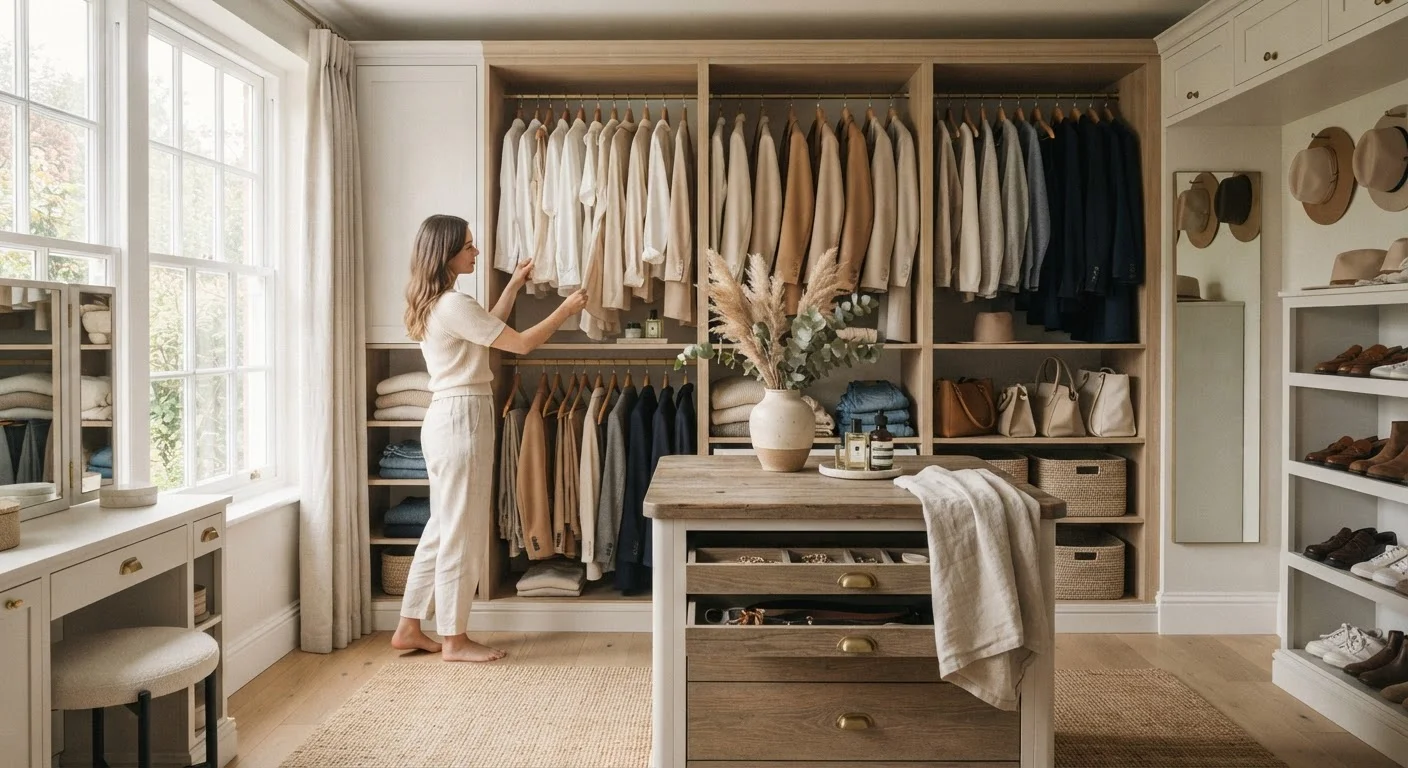
Photo: TargetReads.com | Explore Engaging Reads editorial
Key Takeaways
- Decision fatigue is real — reducing wardrobe choices the night before saves meaningful morning time.
- Organizing clothes by category and color makes outfits easier to assemble at a glance.
- A small set of reliable outfit formulas eliminates daily guesswork without sacrificing style.
- Planning outfits weekly rather than daily dramatically cuts down on rushed mornings.
- A pared-down closet of clothes you actually wear is more useful than a full one you don't.
Why Getting Dressed Takes So Long
Most morning wardrobe struggles aren't really about clothes — they're about decisions. When your closet is packed with items that don't quite work together, or half of what you own doesn't fit well or get worn regularly, every outfit attempt becomes a small negotiation. Multiply that by five mornings a week and the cumulative drag is real.
The good news: the fix starts the evening before and inside your closet, not with buying anything new. Research in behavioral psychology consistently shows that reducing the number of choices available — rather than expanding them — leads to faster, more satisfying decisions. Applied to fashion, that means a thoughtfully edited, well-organized wardrobe is your most practical morning tool.
If your closet feels chaotic, a methodical cleanout is a great place to start before implementing any organizing system. And if you've ever wondered whether a more minimal approach to clothing ownership could work for your lifestyle, the capsule wardrobe concept is worth understanding.
Start Small If It Feels Overwhelming
What You'll Need Before You Start
Before diving into the steps, gather a few basics. You don't need to invest heavily — the goal is function, not aesthetics.
What you will need
Once you have these in place, you're ready to build a system that actually sticks.
Uniform hangers
Creates visual consistency in your closet so you can scan clothing at a glance without items getting lost.
Small shelf dividers or bins
Keeps folded items like knitwear and denim stacked neatly without toppling.
A weekly planner or notes app
Useful for mapping out outfits for the week ahead rather than deciding daily.
Step-by-Step: Building a Morning-Ready Wardrobe
Follow these steps in order for the best results. You can complete the closet-organizing portion on a weekend afternoon; the nightly habit portion takes under ten minutes once you're set up.
Edit your closet down to what you actually wear
Pull everything out and return only the items you wear regularly, that fit well right now, and that you feel good in. Clothes that require repairs you haven't made, pieces that haven't been touched in over a year, or items kept out of guilt are all candidates for removal. A leaner closet with high-use items is dramatically easier to dress from than a full one with low-value clutter.
Organize by category, then by color within each category
Group your clothing into clear zones: tops, bottoms, dresses, outerwear, and so on. Within each group, arrange by color from light to dark or in a sequence that makes sense to you. This system means you can immediately see all your navy tops together, all your black pants in one place, and can build outfits visually without pulling multiple things down to check.
Identify three to five outfit formulas that work for your life
An outfit formula is a reliable combination that works for your regular contexts — work, casual errands, social occasions. Examples might include: dark jeans + a tucked blouse + loafers; a wrap dress + sandals; chinos + a neutral crewneck + clean sneakers. Write these down or note them in your phone. Having named formulas removes the open-ended question of "what do I wear?" and replaces it with a multiple-choice one.
Plan outfits once a week, not every morning
On Sunday evening (or whichever day precedes your week), spend five to ten minutes mapping out outfits for the next five days. Factor in your actual schedule — meetings, weather, physical activity — and note them down. This one weekly decision session replaces five daily scrambles and allows you to spot problems (a dry-cleaning item you forgot, a missing piece) before 7 a.m.
Set out tomorrow's outfit tonight
Each evening, physically set out the next day's complete outfit — including shoes and any accessories — in a designated spot. Over the wall of your wardrobe door, on a valet stand, or folded on a chair all work fine. The act of doing this takes under three minutes and completely eliminates morning outfit decisions. You wake up, the decision is already made, and you simply get dressed.
Avoid Over-Organizing at the Expense of Practicality
Making the Habit Stick Long-Term
The organizing is the one-time effort. The habit is the ongoing practice — and it's simpler than it sounds. Setting clothes out the night before takes fewer than five minutes once your closet is organized and your outfit formulas are familiar. Pairing it with another existing habit (like brushing your teeth or setting your coffee maker) helps it become automatic.
For mornings that still feel rushed despite preparation, reliable outfit formulas are worth bookmarking. These tried-and-true combinations — a tailored trouser with a simple knit, a monochrome set, or a midi dress with flat shoes — require almost no thought and consistently look intentional.
Seasonally, you'll want to revisit your closet as your daily needs shift. Rotating your wardrobe between seasons without creating chaos is its own skill, and doing it proactively means you're never scrambling for a coat in October. Similarly, buying fewer clothes and wearing more of what you own is the longer-term mindset shift that makes all of these habits easier to sustain.
Consistency Beats Perfection Every Time
The content on this site is for informational purposes only and is not a substitute for professional advice. Always consult a qualified professional for guidance specific to your situation.