
Air Drying vs. Blow Drying: Which Is Actually Harder on Your Hair

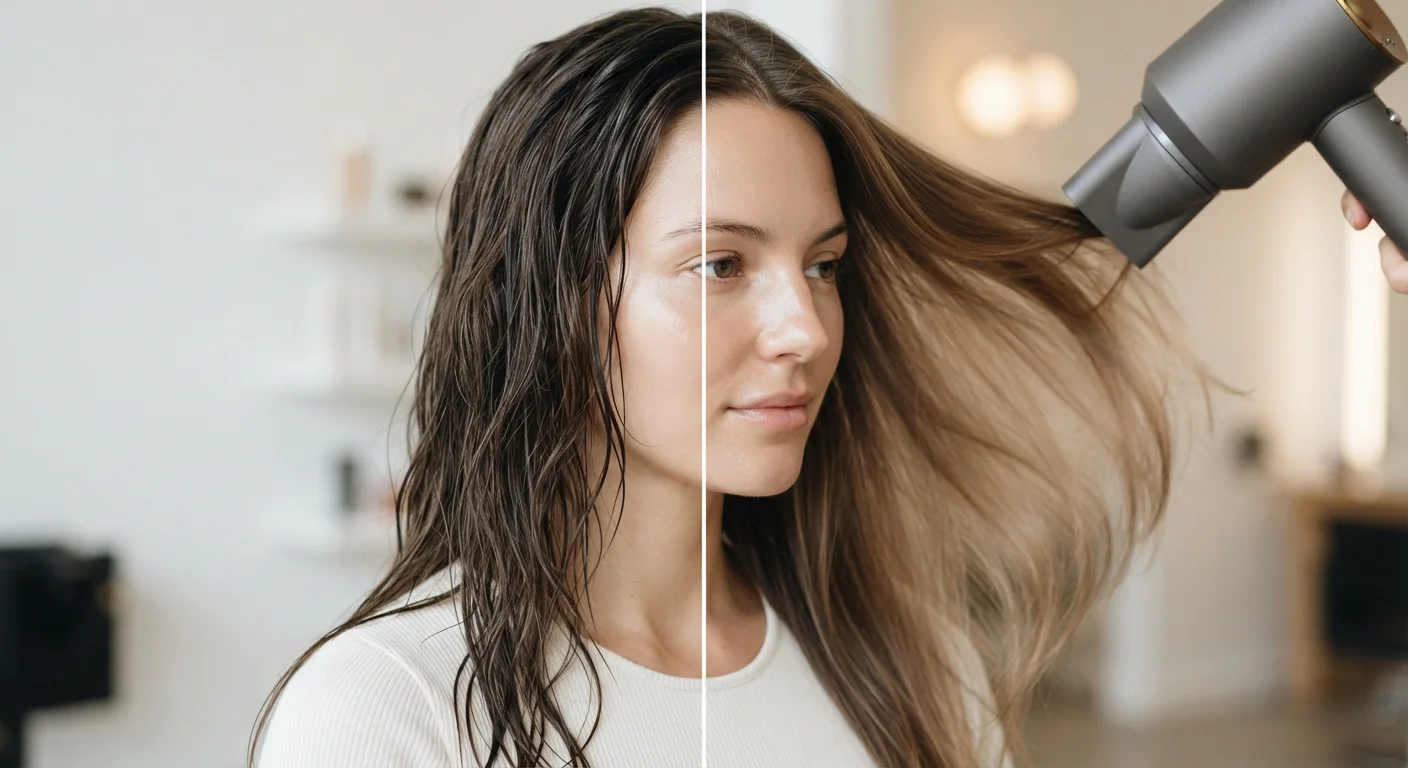
Photo: TargetReads.com | Explore Engaging Reads editorial
Key Takeaways
- Air drying keeps hair safe from heat but prolonged wetness can weaken the hair shaft through osmotic stress.
- Blow drying with high heat causes surface damage but dries hair quickly, reducing mechanical stress from prolonged swelling.
- Using a blow dryer on a low or medium heat setting with a heat protectant is generally considered a middle-ground approach.
- Hair type, porosity, and texture influence which method is more suitable for any individual.
- Neither method is universally safer — the best choice depends on technique, not just the tool.
What Actually Happens to Your Hair When It's Wet
Wet hair is vulnerable hair — that's the starting point for understanding this debate. When water enters the hair shaft, it causes the cortex (the inner layer) to swell. This swelling softens the disulfide bonds that give hair its structural integrity, making strands more elastic and prone to breakage under tension. Both air drying and blow drying engage with this window of vulnerability differently.
Research published in the Annals of Dermatology has highlighted a phenomenon called hygral fatigue — the cumulative damage from repeated swelling and contracting of the hair shaft. The longer hair stays wet, the more pronounced this mechanical stress becomes. That's the core argument against assuming air drying is automatically gentler.
| Criterion | Air Drying | Blow Drying |
|---|---|---|
| Heat exposure | None | Moderate to high (varies by setting) |
| Drying time | Slow (30 min to several hours) | Fast (5–20 minutes) |
| Hygral fatigue risk | Higher (prolonged swelling) | Lower (shorter wet window) |
| Cuticle damage risk | Lower | Higher without protectant |
| Best for fine/fragile hair | Risky if hair stays wet long | Better with low-heat setting |
| Style control | Limited | High with attachments |
| Tool required | None (or microfiber towel) | Blow dryer + optional attachment |
The Case Against Air Drying (Yes, Really)
Air drying sounds like the obvious low-risk option — no heat, no tools, nothing harsh. But the science is more nuanced. Studies have shown that hair left wet for extended periods experiences more cortex damage than hair dried with a blow dryer held at a reasonable distance, even when heat is involved. The sustained swelling from prolonged wetness puts repeated pressure on the hair's inner proteins.
This matters most for people with high-porosity hair, which absorbs water quickly and releases it slowly, and for those with fine or chemically treated strands that are structurally weaker to begin with. Sleeping on wet hair compounds the risk significantly, since mechanical friction from pillowcases adds to the stress of an already-swollen shaft.
10–15%
Reduction in tensile strength when hair is wet
Hair science research consistently shows wet strands are significantly weaker and more prone to breakage than dry ones.
~30 min
Time fine hair needs to reach peak swelling
Trichologists note that prolonged soaking of fine strands accelerates hygral fatigue and cortex protein disruption.
4–6 inches
Recommended blow dryer distance from hair
General hair care guidance suggests maintaining this distance to minimize direct thermal stress on the cuticle.
The Case Against Blow Drying (You Knew This Was Coming)
High heat absolutely affects the hair's surface. When a blow dryer is used too close to the scalp, on too-high a setting, or without any protective barrier, it can disrupt the cuticle — the outer protective layer of the hair shaft. Damaged cuticles lead to frizz, dullness, and increased porosity over time. Repeated thermal stress can also degrade hair proteins and strip moisture.
The variables here matter enormously: distance from the scalp, temperature setting, movement of the dryer, and whether a heat protectant is used all change the outcome dramatically. A diffuser on a medium setting is a very different experience for your hair than a concentrator nozzle blasting on high heat. For practical guidance on managing heat tools without sacrificing your routine, see our heat styling framework.
How to Choose Based on Your Hair Type
The honest answer is that neither method wins outright — your hair type and daily habits determine what's actually harder on your strands.
- Fine or color-treated hair: Opt for a cool or low-heat blow dry. Cutting drying time reduces swelling stress without pushing thermal damage.
- Thick, coarse, or natural hair: Air drying often works well, especially with a microfiber towel or a cotton T-shirt to gently absorb excess water first (avoiding terrycloth friction).
- Wavy or curly hair: A diffuser attachment on low heat can preserve curl pattern while reducing drying time — a practical middle ground.
- All hair types: Avoid going to bed with dripping-wet hair, regardless of your preferred method.
A Note on Microfiber Towels
The ideal approach for most people is a hybrid: gently remove excess water, allow hair to partially air dry until it's no longer dripping, then finish with a blow dryer on a medium setting. This shortens the high-vulnerability wet window while keeping heat exposure minimal.
The content on this site is for informational purposes only and is not a substitute for professional advice. Always consult a qualified professional for guidance specific to your situation.