
Heat Styling Without the Damage: A Practical Framework for Everyday Use

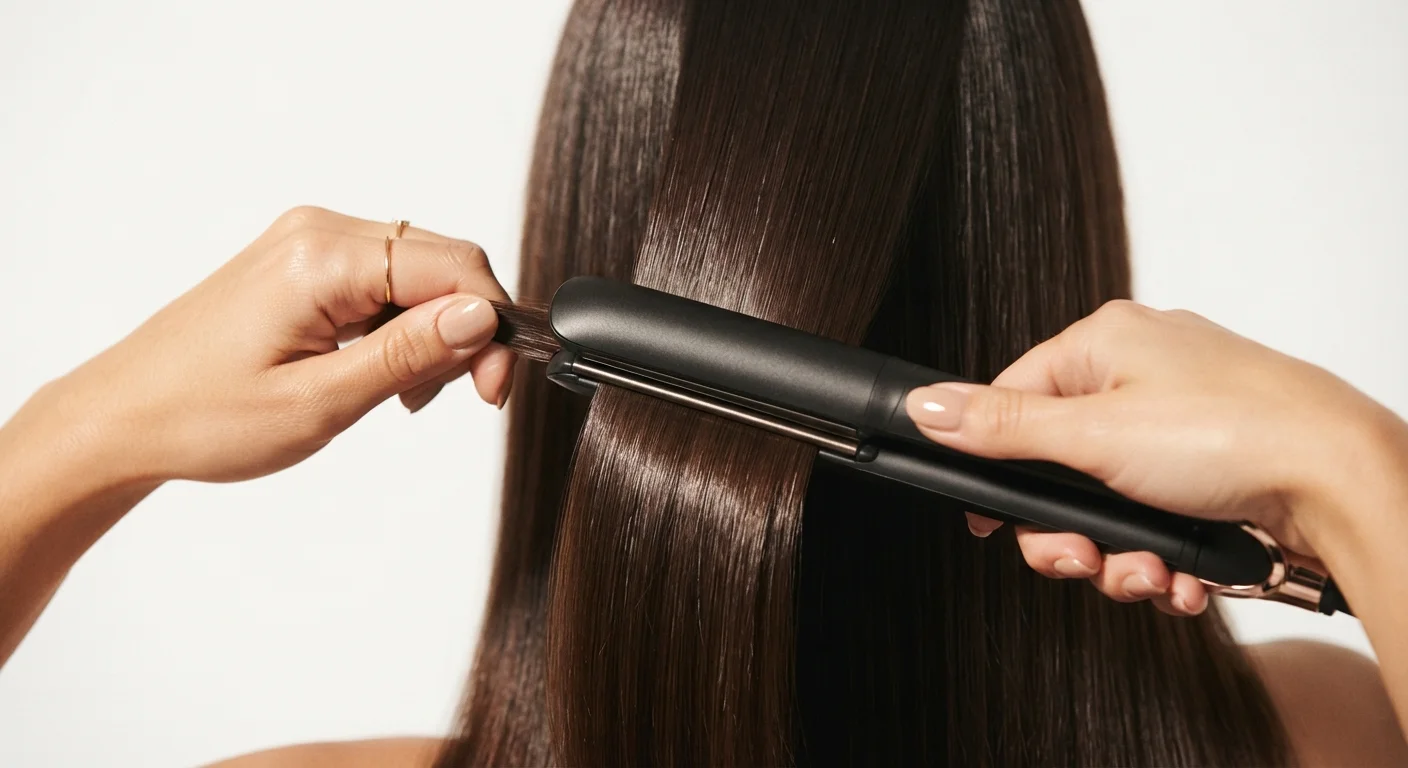
Photo: TargetReads.com | Explore Engaging Reads editorial
Key Takeaways
- Heat protectant applied to damp or dry hair before styling is one of the most effective damage-prevention steps.
- Lower temperature settings can deliver the same results as high heat for most hair types.
- Limiting daily heat exposure and building in rest days noticeably reduces cumulative damage over time.
- Proper tool technique — slow, single passes — matters as much as temperature selection.
- Moisture-rich conditioning habits help hair recover and stay resilient between heat styling sessions.
Why Heat Damage Happens in the First Place
Heat tools work by temporarily restructuring the hydrogen bonds in your hair shaft, which is what creates that smooth, curled, or straightened look. The problem starts when that process happens too fast, at too high a temperature, or too often. When the hair's outer cuticle layer gets overly stressed, it lifts, chips, and eventually breaks down — leading to the frizz, brittleness, and split ends that make hair feel unmanageable.
Understanding this mechanism matters because it shifts the goal from "avoid heat entirely" to "manage heat intelligently." For more on what drives breakage at the tips specifically, see our article on why your ends keep breaking.
Six Practices That Make a Real Difference
These aren't rigid rules — they're adjustable habits that work across different hair textures, tool types, and schedules. Build them in one at a time if that's more realistic for you.
Choosing and Using Your Tools More Effectively
Not all heat tools are created equal, but more important than the brand is how you use what you have. Ceramic and tourmaline plates distribute heat more evenly than basic metal ones, which reduces hot spots. A tool with an adjustable temperature dial gives you far more control than one with a single setting.
Equally important is your technique. A slow, single pass with a flat iron — moving at a steady pace without stopping — is less damaging than multiple rushed passes over the same section. The same logic applies to curling tools: clamping and holding for the right amount of time is more effective than re-curling repeatedly.
If you blow dry frequently, the debate around air drying versus heat is worth understanding. Our piece on air drying vs. blow drying breaks down the real structural trade-offs of each method.
Keeping Hair Resilient Between Sessions
Heat protection is only part of the equation. Hair that's already well-moisturized and structurally strong handles heat stress much better than hair that's dry or brittle going in. Regular conditioning — and choosing the right type for your routine — keeps the cuticle smoother and more resistant to damage.
If you're unsure whether a rinse-out conditioner, co-wash, or leave-in treatment makes the most sense for your hair, our guide on conditioner, co-wash, or leave-in covers exactly that. And don't overlook the scalp — healthier follicles produce stronger strands from the root. Scalp Health 101 is a good starting point if that's a gap in your current routine.
This article is for general informational purposes only. Individual hair types vary significantly — if you're experiencing significant hair loss or scalp concerns, consult a qualified dermatologist or trichologist.
The content on this site is for informational purposes only and is not a substitute for professional advice. Always consult a qualified professional for guidance specific to your situation.