
Myths About Acne That Dermatologists Hear All the Time

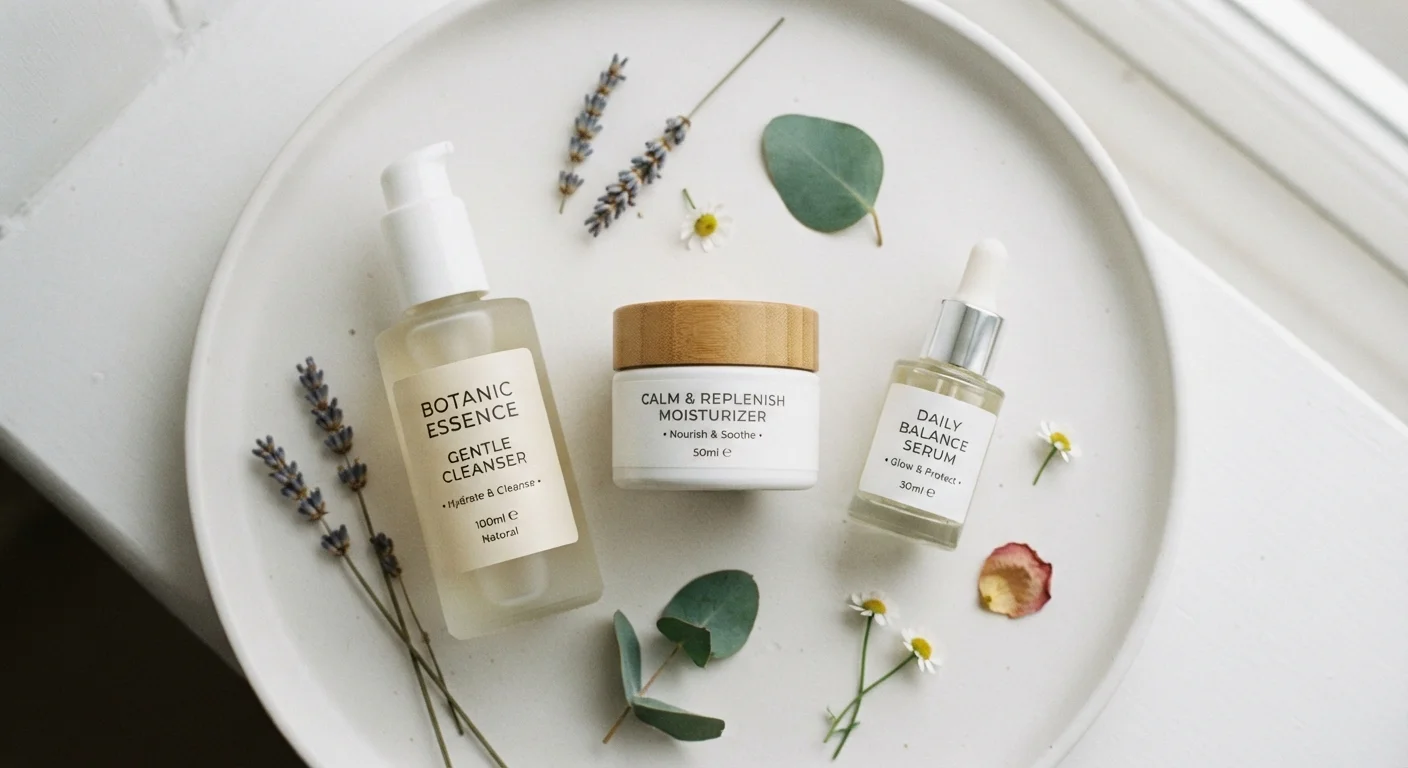
Photo: TargetReads.com | Explore Engaging Reads editorial
Key Takeaways
- Chocolate and greasy food do not directly cause acne — diet's role is more nuanced than that.
- Over-drying a pimple can actually worsen inflammation and delay healing.
- Acne is not caused by dirty skin; over-washing can irritate and inflame the skin barrier.
- Adults of any age can experience acne — it's not exclusively a teenage condition.
- Popping pimples increases the risk of scarring and spreading bacteria.
Why Acne Myths Are So Hard to Shake
Acne is one of the most common skin conditions in the United States, yet it's also one of the most misunderstood. Misinformation spreads fast — from locker rooms to social media feeds — and well-meaning advice from friends and family often contradicts what dermatologists actually recommend. The result? People spend time, money, and frustration on approaches that don't work, or that actively make things worse.
The myths below are ones dermatologists say they hear repeatedly in the exam room. Getting these straight isn't just satisfying — it can genuinely change the way you approach your skin. And if you've ever wondered whether your moisturizer is part of the problem, our piece on why your moisturizer might be making your skin worse is worth a read alongside this one.
Myth
Chocolate and greasy food cause acne.
Fact
No strong scientific evidence directly links chocolate or fried food to breakouts for most people.
This is one of the most enduring acne myths around. While some research suggests that high-glycemic diets (think white bread, sugary drinks) and large amounts of dairy may influence acne for certain individuals, the link to chocolate or greasy foods specifically is weak and inconsistent in clinical studies. Eating a burger doesn't deposit oil in your pores — sebum production is controlled internally by hormones, not by touching or consuming oily things.
Myth
Acne is caused by dirty skin, so you should wash your face more often.
Fact
Acne is not a hygiene problem, and over-washing can strip and irritate the skin barrier, making things worse.
Surface dirt doesn't cause acne — the process happens deep inside the follicle, where sebum and dead skin cells accumulate. Scrubbing aggressively or washing multiple times a day can disrupt the skin's natural protective barrier, increase dryness, and trigger more oil production as the skin tries to compensate. Most dermatologists recommend washing twice daily with a gentle, non-comedogenic cleanser and skipping the harsh scrubbing.
Myth
You should dry out a pimple to make it heal faster.
Fact
Drying products can damage surrounding skin tissue and prolong healing rather than speed it up.
Spot treatments that rely heavily on drying agents — like certain high-concentration alcohol formulas — can cause peeling, redness, and irritation around the pimple without addressing the underlying cause. Ingredients like benzoyl peroxide or salicylic acid can be effective at appropriate concentrations, but the goal is treating the follicle, not desiccating the skin surface. A balanced, gentle approach supports faster, cleaner healing.
Myth
Popping a pimple will clear it up more quickly.
Fact
Popping pimples can push bacteria deeper, introduce new bacteria from your fingers, and significantly increase scarring risk.
It's tempting, but squeezing a pimple often extends its lifespan rather than ending it. The pressure can rupture the follicle wall beneath the skin, spreading the inflammatory contents into surrounding tissue and creating a larger, more painful lesion. It also introduces bacteria from your hands into an already-inflamed area. Dermatologists who do drain pimples use sterile instruments and specific techniques — what happens at home is rarely comparable.
Myth
Acne is just a teenage problem — adults shouldn't still be getting breakouts.
Fact
Adult acne is extremely common, particularly in women, and can develop for the first time well into one's 30s, 40s, or beyond.
Hormonal fluctuations, stress, certain medications, and even some skincare products can trigger acne at any age. Studies suggest adult acne affects a significant portion of women in their 20s and 30s, and it's not unusual in men either. Adult acne often presents differently than teenage acne — frequently appearing along the jawline, chin, and neck — and may require different treatment strategies. Dismissing it as something you should have outgrown can delay effective care.
Myth
Sunscreen makes acne worse, so it's better to skip it.
Fact
Skipping sunscreen is not a safe trade-off — many formulations are specifically designed for acne-prone skin and won't clog pores.
This myth likely comes from early, heavier sunscreen formulas that weren't ideal for oily skin. Today, there's a wide range of lightweight, oil-free, and non-comedogenic (won't clog pores) options. Sun protection is especially important for people with acne because UV exposure can worsen post-inflammatory hyperpigmentation — the dark marks left after a pimple heals. Skipping SPF to avoid breakouts is a trade-off that generally doesn't pay off.
What Actually Drives Breakouts
Acne forms when hair follicles become clogged with oil (sebum) and dead skin cells. Bacteria — particularly Cutibacterium acnes — can then multiply inside those clogged pores, triggering the redness and swelling most people recognize as a pimple. Hormones, genetics, certain medications, and friction from clothing or accessories are all well-documented contributors.
85%
Americans affected by acne at some point
According to the American Academy of Dermatology, acne is the most common skin condition in the United States, affecting up to 85% of people at some point in their lives.
15%+
Adults with acne past age 25
Research published in the Journal of the American Academy of Dermatology found that a notable proportion of adults continue to experience acne well beyond their teenage years.
Diet may play a supporting role for some people — high-glycemic foods and dairy have shown associations with acne in some studies — but the science is still evolving, and the effect varies significantly from person to person. If you suspect a dietary trigger, a dermatologist or registered dietitian can help you investigate systematically rather than cutting out entire food groups based on guesswork.
Post-acne marks are a separate concern worth understanding on their own terms. Our guide on understanding hyperpigmentation and dark spots explains how post-inflammatory hyperpigmentation differs from active breakouts and what evidence suggests for fading it.
When to See a Dermatologist
This article is for general informational purposes only and is not a substitute for professional medical or dermatological advice. If acne is persistent, painful, or affecting your confidence, consult a board-certified dermatologist for personalized guidance.
The content on this site is for informational purposes only and is not a substitute for professional advice. Always consult a qualified professional for guidance specific to your situation.