
Skincare & Beauty

Why Your Moisturizer Might Be Making Your Skin Worse

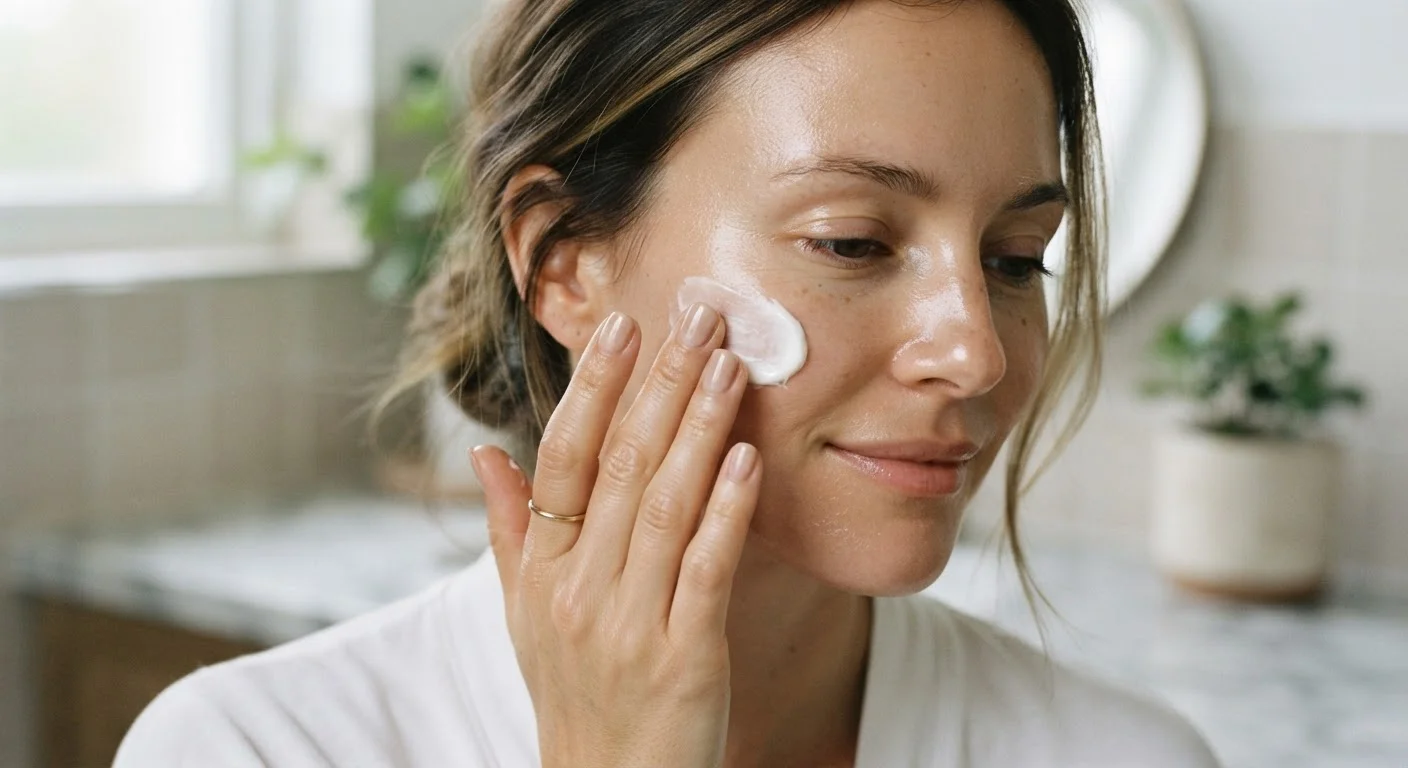
Why Your Moisturizer Might Be Making Your Skin Worse

Photo: TargetReads.com | Explore Engaging Reads editorial

Heavy creams, skipping patch tests, layering incompatible ingredients — discover the moisturizing missteps that can quietly backfire.

Key Takeaways

  • Using the wrong moisturizer for your skin type can trigger breakouts, excess oil, or irritation.
  • Applying moisturizer to completely dry skin reduces how effectively ingredients absorb.
  • Layering incompatible active ingredients alongside your moisturizer can cause reactions or cancel benefits.
  • Skipping a patch test before a new formula is one of the easiest mistakes to avoid.
  • Fragrance in moisturizers is a surprisingly common cause of sensitivity and redness.

When Your Moisturizer Works Against You

Moisturizer feels like the most harmless step in any skincare routine — hydration is always good, right? Not necessarily. The wrong formula, application timing, or combination of ingredients can quietly sabotage your skin rather than support it. If you've noticed new breakouts, persistent redness, or an unusually greasy complexion since starting a new product, your moisturizer might be the culprit.

Understanding why these missteps happen is half the battle. The other half is knowing how to course-correct without overhauling your entire routine. Before diving in, it's worth brushing up on what your skin type really means — because most moisturizer mistakes trace directly back to a mismatch between formula and skin type.

1

Using a moisturizer formulated for the wrong skin type.

Why it happens: Labels like 'deeply hydrating' or 'nourishing' sound universally appealing, so people grab what sounds best rather than what suits their skin's actual needs.
How to avoid: Identify whether your skin runs oily, dry, combination, or sensitive before selecting a formula. Oily skin generally does better with lightweight, non-comedogenic gels; dry skin typically benefits from richer creams with emollient ingredients. When in doubt, a dermatologist can help you pinpoint what your skin actually needs.
2

Applying moisturizer to completely dry skin instead of damp skin.

Why it happens: Most people towel off fully after cleansing and then reach for their moisturizer — it feels like the logical order.
How to avoid: Apply your moisturizer while your skin is still slightly damp, typically within 30–60 seconds of rinsing. This helps seal in existing moisture rather than simply sitting on the surface. You don't need soaking-wet skin — a light residual dampness is enough.
3

Skipping a patch test with a new moisturizer formula.

Why it happens: Patch testing feels overly cautious when a product has glowing reviews or a familiar brand name behind it.
How to avoid: Apply a small amount of any new moisturizer to the inside of your wrist or behind your ear and wait 24–48 hours before applying it to your face. This simple step can catch reactions before they spread across a much larger and more visible area.
4

Layering a moisturizer over active ingredients without considering compatibility.

Why it happens: People often add a moisturizer as a 'buffer' over potent actives like retinol or acids, not realizing this can sometimes amplify irritation rather than soothe it.
How to avoid: Check how each active in your routine interacts with occlusive or emollient ingredients. As a general principle, let actives absorb for a few minutes before applying moisturizer. If irritation is an ongoing issue, consider applying your moisturizer first and the active on top — a technique sometimes called 'buffering' — but discuss this with a skincare professional.
5

Overusing moisturizer in an attempt to fix persistent dryness.

Why it happens: It seems intuitive: if skin is dry, more moisturizer should help. But applying heavy layers repeatedly can sometimes disrupt the skin barrier rather than restore it.
How to avoid: Use a measured, consistent amount — typically a nickel-sized amount for the full face — rather than layering multiple thick coats. If persistent dryness continues despite regular moisturizing, the root issue may be a compromised skin barrier or an underlying condition worth discussing with a dermatologist.
6

Ignoring fragrance as a potential irritant in your moisturizer.

Why it happens: Scented moisturizers feel pleasant and luxurious, and the connection between fragrance and skin irritation isn't always obvious — reactions can appear gradually rather than immediately.
How to avoid: If you're experiencing unexplained redness, itching, or sensitivity, check your moisturizer's ingredient list for terms like 'parfum,' 'fragrance,' or specific botanical extracts known as common sensitizers. Switching to a fragrance-free formula is often a useful first diagnostic step.

Ingredients and Layering: Where Things Get Complicated

Even a well-matched moisturizer can cause problems if it's paired with the wrong active ingredients. Retinol, exfoliating acids like glycolic or salicylic acid, and vitamin C all interact with other formulas in ways that aren't always obvious. Layering a rich, occlusive moisturizer directly over a freshly applied retinol, for instance, can intensify absorption and lead to unexpected irritation — especially for sensitive skin.

~10%

Adults affected by contact dermatitis from cosmetics

Dermatology research consistently identifies skincare products, including moisturizers, as a leading source of allergic and irritant contact dermatitis in adults.

Top 3

Fragrance ranked among commonest cosmetic allergens

Fragrance is regularly cited among the top three allergens identified in patch-testing studies conducted by dermatologists across the United States and Europe.

Timing and order matter just as much as ingredients. Moisturizer should generally go on after thinner, water-based serums and before heavier oils or SPF — not sandwiched haphazardly between actives. For a clear breakdown of sequencing logic, see smart skincare layering principles. And if fragrance is in your formula, know that it's one of the most common triggers for sensitivity reactions — the trade-offs are worth weighing carefully, as explored in this balanced look at fragrance in skincare.

Don't Mix Retinol and Strong Acids Without Guidance

Combining retinol with alpha-hydroxy acids (AHAs) or beta-hydroxy acids (BHAs) in the same routine step can lead to significant irritation, peeling, and barrier disruption — especially if a rich moisturizer traps the actives against your skin. If you're using both types of actives, consult a dermatologist about how to sequence and space them safely rather than experimenting on your own.

Your routine also needs to flex across seasons. A thick cream that works brilliantly in January may feel suffocating and pore-clogging come July. Seasonal routine tweaks are worth building into your habits. And if you're ready to take stock of everything at once, a practical skincare routine audit is a helpful next step.

This article is for informational purposes only and does not constitute medical or dermatological advice. If you experience persistent skin concerns, consult a qualified dermatologist or healthcare professional.

Style & Beauty Editorial Team

TargetReads.com | Explore Engaging Reads

Style & Beauty Editorial Team is the collective byline for our editorial team and contributor network. Articles published under this byline or an editorial pen name are researched, written, and reviewed according to our editorial standards for clarity, consistency, and independence before publication.

Everyday FashionSkincare & BeautyHair & Grooming
View author profile

The content on this site is for informational purposes only and is not a substitute for professional advice. Always consult a qualified professional for guidance specific to your situation.