
The Gadgets That Live in the Junk Drawer: Why We Stop Using Tech We Once Loved

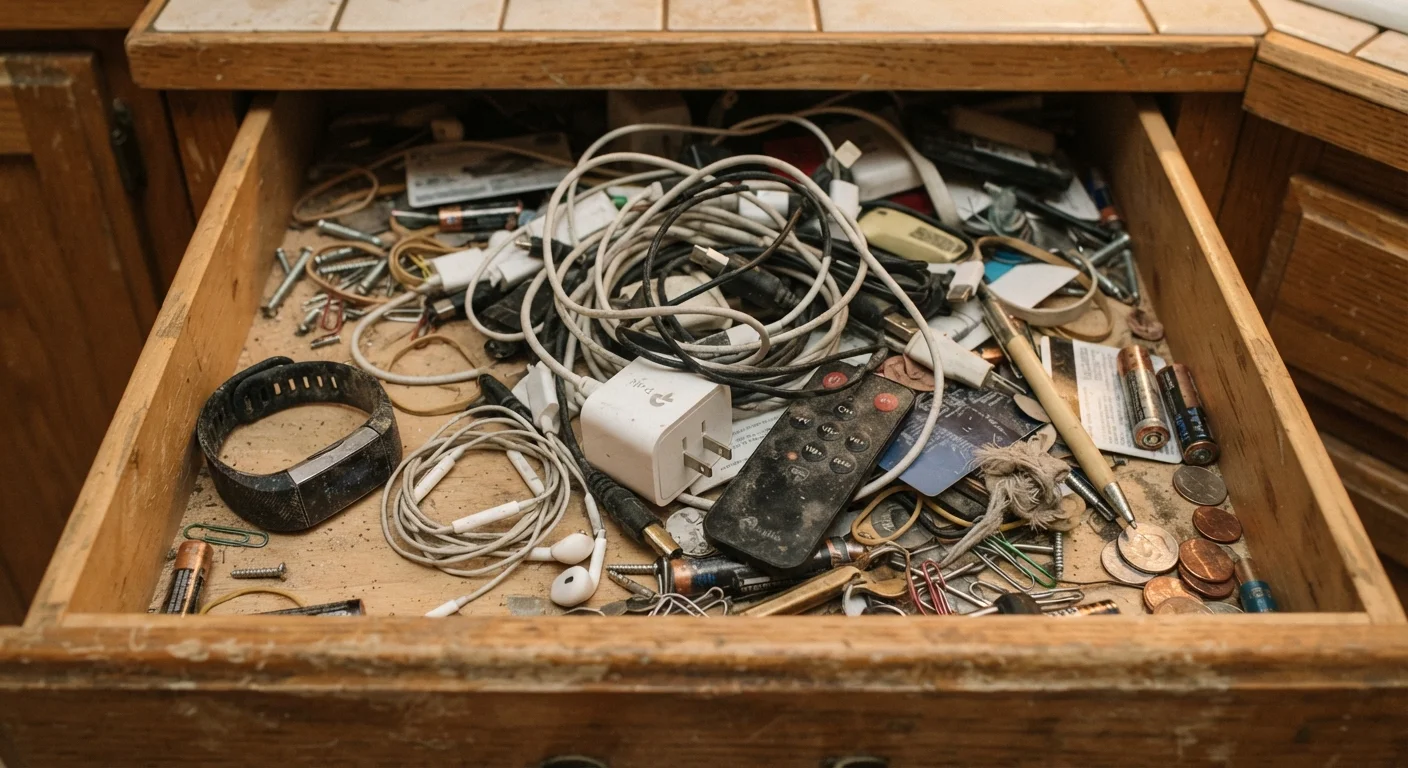
Photo: TargetReads.com | Explore Engaging Reads editorial
Key Takeaways
- Most gadgets are abandoned not because they break, but because they don't fit daily routines.
- Friction — the effort required to use a device — is the leading cause of abandonment.
- Novelty fades fast; long-term usefulness depends on solving a real, recurring problem.
- Understanding why you stop using tech can help you make smarter decisions before buying.
- Gadgets that require behavior change are much harder to sustain than ones that slot into existing habits.
The Drawer We All Have
Somewhere in most American homes, there's a drawer — or a shelf, or a cardboard box — where tech goes to wait indefinitely. A fitness band you wore every day for three weeks. A smart plug that never quite worked with your voice assistant. A pair of earbuds replaced by a newer pair before the case even got scratched.
These gadgets weren't impulse buys in most cases. You researched them, charged them up the night they arrived, and genuinely intended to use them. So what happened?
Understanding why we stop using devices we once wanted is more useful than it might seem. The pattern repeats itself reliably — and recognizing it can save money, reduce clutter, and help you make better decisions before the next purchase lands in your cart. For a broader look at evaluating whether a device genuinely fits your life, see how to tell whether a gadget solves a real problem.
~30%
Fitness wearables abandoned within 6 months
Research cited by Endeavour Partners found roughly a third of wearable device owners stop using their devices within six months of purchase.
1 in 3
Smart home devices rarely or never used
Consumer surveys from market research firms have consistently found a significant share of smart home device owners report infrequent or no ongoing use after setup.
Friction: The Quiet Killer of Good Intentions
The most common reason a gadget gets abandoned isn't that it stops working. It's that using it takes just enough effort that, on a busy morning or a tired evening, skipping it feels easier than remembering it exists.
Behavioral researchers call this friction — the small obstacles between you and a desired action. A fitness tracker that needs charging every two days, a smart thermostat that requires opening an app to adjust, a wireless speaker that takes 45 seconds to pair: none of these are dealbreakers individually. But each one adds a small tax on your time and attention.
When the benefit of using a device doesn't clearly outweigh that tax, the device gets left behind. This is especially true for gadgets that require behavior change rather than slotting into something you already do. A coffee maker that makes great coffee fits into a habit you already have. An app-connected scale that requires you to weigh yourself every morning and log meals does not — at least not for most people, most of the time.
Test a Habit Before Buying the Gadget
Novelty Fades — and That's Normal
There's a predictable arc to how we experience new technology. The unboxing is exciting. The first few days of use feel satisfying. Then the novelty drops off, and the device has to compete with everything else claiming your attention on its own merits.
Gadgets that survive this transition tend to share a few traits: they solve a problem you encounter regularly, they work reliably without much fiddling, and they don't require you to remember to use them. Gadgets that don't survive usually promised to solve a problem that turned out to be less urgent than it seemed — or solved it in a way that was clunkier than expected.
This is also why the same gadget can work brilliantly for one person and collect dust for another. The difference is rarely the device — it's whether that device fits the individual's actual routine and genuinely addresses something they experience as a recurring problem.
What This Means Before You Buy
Recognizing the abandonment pattern is most useful before a purchase, not after. A few questions worth asking honestly:
- What specific problem does this solve, and how often do I encounter it? Vague answers like "it would help me be more organized" rarely hold up past the first month.
- How much friction does it add? Think about charging, setup, app dependencies, and ongoing maintenance — not just the best-case scenario.
- Does it fit a habit I already have, or does it require building a new one? New habits are hard. Devices that demand them face long odds.
- Would I use this if it weren't new anymore? If the honest answer is uncertain, that's informative.
If you're prone to gadget enthusiasm, it may also be worth tracking how you've used past tech purchases — a useful exercise that also ties into how you manage your monthly budget more broadly. The same patterns that lead to junk drawer accumulation often show up as a recurring line in spending reviews.
For guidance on getting started with new devices in ways that set them up for long-term use rather than short-term excitement, see our common gadget setup mistakes article. And if you're buying tech for someone else, a practical pre-gift checklist can help you pick something they'll actually use.
Gadgets Aren't Always the Right Tool
Frequently Asked Questions
The content on this site is for informational purposes only and is not a substitute for professional advice. Always consult a qualified professional for guidance specific to your situation.