
Understanding Your Mechanic's Estimate Before You Approve Any Work

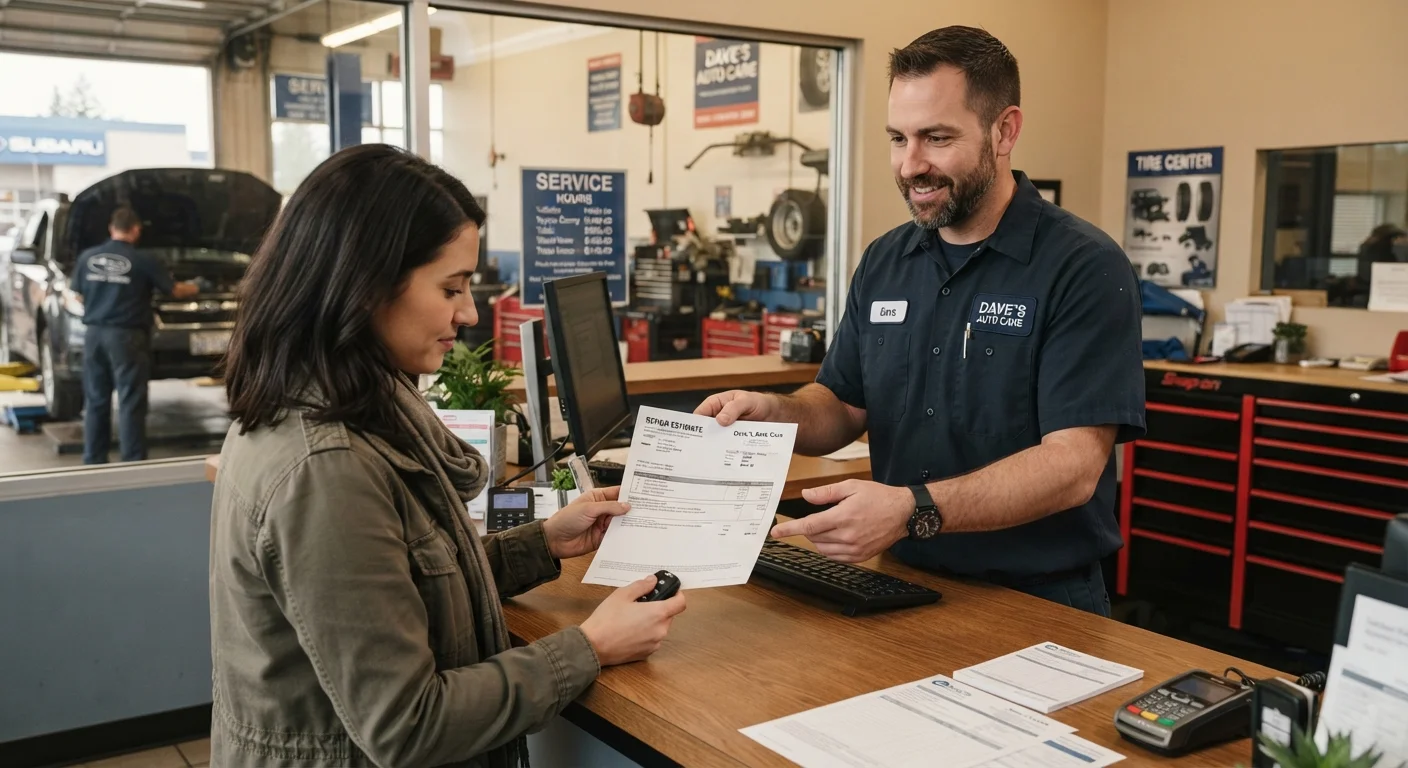
Photo: TargetReads.com | Explore Engaging Reads editorial
Key Takeaways
- A written estimate should separate parts costs, labor hours, and any diagnostic fees clearly.
- You have the right to ask for your old parts back or to get a second opinion before approving work.
- Not every recommended repair is urgent — ask the shop to distinguish necessary from preventive work.
- Labor rates and parts sourcing vary widely; understanding them helps you ask better questions.
- Approving an estimate is a binding commitment — read it before you sign.
What a Repair Estimate Actually Contains
When a shop hands you an estimate, it should be more than a single dollar figure. A properly itemized estimate breaks down three distinct cost categories: parts, labor, and any diagnostic or inspection fees. If yours doesn't, ask for that breakdown before anything else.
Parts costs reflect whether the shop is using OEM (original equipment manufacturer) components, aftermarket alternatives, or remanufactured parts. Each has trade-offs in price and quality. Ask which type is quoted and why. Labor is typically billed by the hour at a flat rate — meaning the shop charges a set number of hours for a specific job regardless of how long it actually takes. This rate varies significantly by region and shop type. Diagnostic fees cover the technician's time to identify the problem; some shops credit this fee toward the repair if you proceed, others do not.
Understanding these components helps you see where the money is going — and where it might be negotiable or worth questioning.
What you will need
How to Evaluate the Recommended Work
Mechanics sometimes recommend additional work beyond what brought your car in. This isn't inherently suspicious — routine inspections genuinely surface issues — but it requires your critical eye. Ask the shop to categorize each line item as safety-critical, required to fix the presenting problem, or preventive maintenance to consider. These are very different things.
Your Owner's Manual Is Your Reference
Safety-critical items — failing brakes, a compromised steering component — generally shouldn't be deferred. But a recommendation to flush the coolant or replace cabin air filters can usually wait until you've had time to research or budget appropriately. Your owner's manual is a reliable reference for what your manufacturer actually recommends at your vehicle's mileage.
It's also worth asking: What happens if I wait on this? A shop that respects your time will give you a straight answer about risk and timeline. One that only responds with urgency, without explanation, is harder to trust. Repair decisions are part of the broader picture of car ownership costs most drivers underestimate, so going in informed matters.
Steps to Take Before You Sign
Reviewing an estimate carefully takes only a few minutes but can prevent significant financial surprises. Follow these steps each time you receive one.
Request a fully itemized written estimate
Before any diagnostic work begins, ask for a written estimate and confirm whether the diagnostic fee is credited toward the repair. In most U.S. states, shops are legally required to provide a written estimate before starting work if requested — check your state's consumer protection rules to know your rights specifically.
Verify parts type and sourcing
Ask whether each quoted part is OEM, aftermarket, or remanufactured, and request that the old parts be returned to you after the repair. Shops that use quality parts should have no issue with this. Returned parts give you physical confirmation the work was done.
Cross-check the labor hours
Flat-rate labor hours are published in industry guides that most shops use. While you won't have direct access to those guides, you can ask the service advisor how many hours the job is estimated at and look up general benchmarks online for that repair type. A significantly high hour estimate warrants a polite question.
Separate urgent from non-urgent items
Ask the service advisor to clearly distinguish safety-critical repairs from maintenance suggestions. Request a timeline on anything non-urgent — is this something that needs to happen in the next 500 miles, or can it wait until my next service interval? This question helps you prioritize intelligently.
Get a second opinion if the cost is significant
For repairs estimated above a few hundred dollars, it is entirely reasonable to take the written estimate to another qualified shop. You are not obligated to commit on the spot. A second opinion helps you confirm the diagnosis, compare parts and labor costs, and feel confident in your decision.
Once you've approved work and it's completed, keep the final invoice. It documents what was done and when — useful for warranty claims, resale, and keeping your car in good shape over the long haul.
Verbal Approvals Can Still Bind You
The content on this site is for informational purposes only and is not a substitute for professional advice. Always consult a qualified professional for guidance specific to your situation.