
Keeping Your Car in Good Shape Over the Long Haul

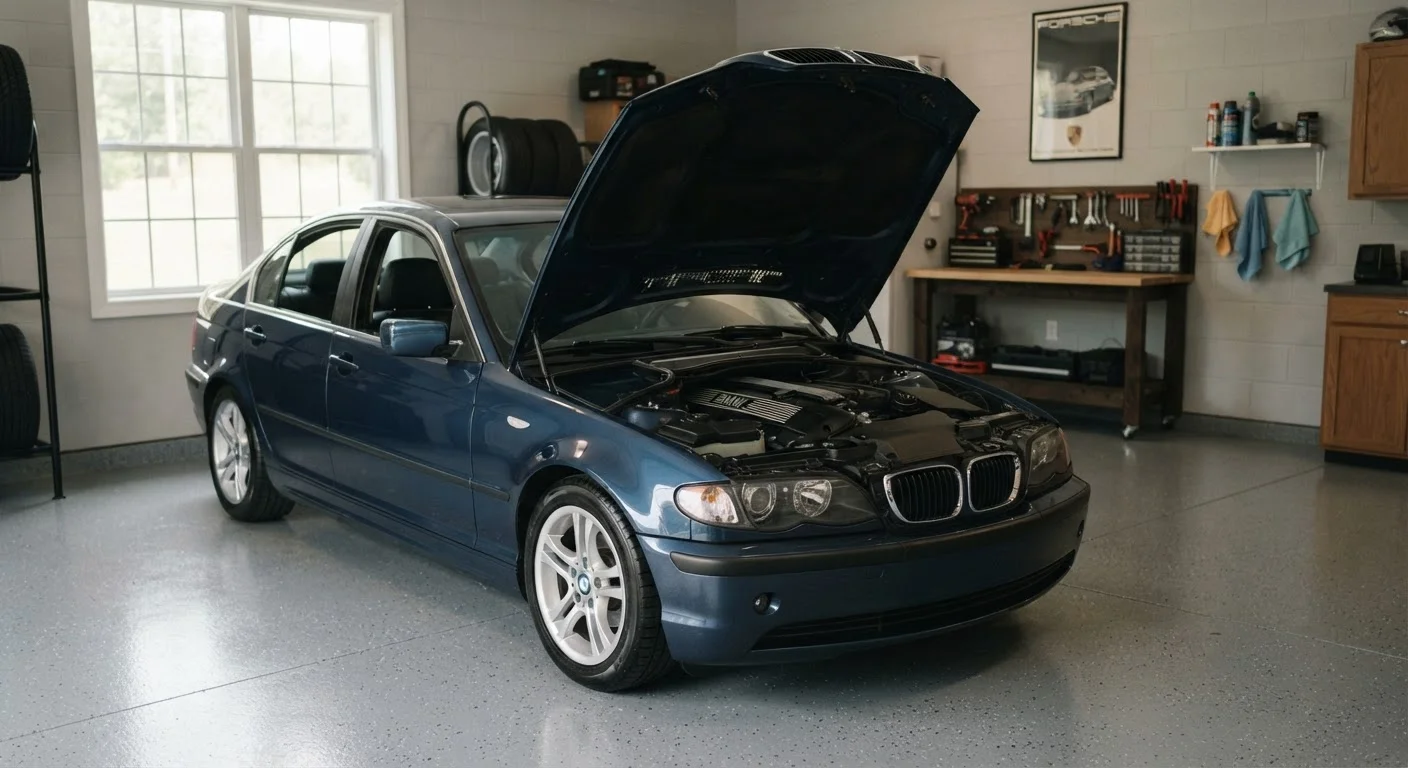
Photo: TargetReads.com | Explore Engaging Reads editorial
Key Takeaways
- Following your manufacturer's service schedule is the single highest-impact maintenance habit you can build.
- Fluids, tires, and brakes are the three systems most drivers overlook until they cause expensive failures.
- Catching small problems early almost always costs less than waiting for a breakdown.
- Keeping service records protects your investment and helps any mechanic diagnose issues faster.
Why Long-Lasting Cars Are Built on Habits, Not Luck
Vehicles that reach 200,000 miles or more don't get there through exceptional engineering alone. They get there because their owners paid consistent attention. The difference between a car that fails at 90,000 miles and one that runs reliably past 200,000 is usually not the make or model — it's the maintenance history behind it.
The good news is that long-term car health doesn't require mechanical expertise. It requires a few reliable habits, a working relationship with a trusted mechanic, and a willingness to act on small warnings before they become large ones. As our article on why deferred maintenance costs more explains, delayed service rarely saves money — it typically accelerates wear and leads to bigger repair bills down the road.
Follow your manufacturer's service schedule, not just generic mileage rules.
Check and maintain all fluids on a regular schedule.
Inspect and rotate your tires every 5,000 to 7,500 miles.
Address unusual noises, smells, or warning lights promptly — don't wait.
Keep a written or digital service log for every maintenance visit.
The Core Practices That Make the Difference
Most long-term vehicle reliability comes down to a handful of consistent behaviors. None of them are complicated, but all of them require follow-through.
If you've never paid close attention to your owner's manual, that's a good place to start. Our guide on the parts of your owner's manual that actually matter walks through the sections most drivers skip — including manufacturer-recommended service intervals that are often more accurate than general rules of thumb.
Know When to Call a Professional
Some maintenance tasks — checking tire pressure, topping off windshield washer fluid, replacing wiper blades — are straightforward for most drivers. But work involving your braking system, suspension, cooling system, or anything under the hood that requires specialized tools should be handled by a qualified mechanic. Attempting complex repairs without proper training or equipment can create safety risks and may void warranty coverage.
State Inspections Are a Useful Baseline
When you do bring your car in, understanding what you're being quoted for is just as important as the service itself. Our article on reading a mechanic's estimate helps you ask the right questions before approving any work. And if you're preparing for an extended drive, getting your car ready for a long road trip is a practical checklist worth reviewing beforehand.
Keeping your vehicle in good shape over years and decades is less about perfection and more about consistency. Much like the seasonal upkeep approach described in our annual home maintenance calendar, treating your car as a system that needs regular attention — not just emergency repairs — is what keeps it reliable for the long haul.
The content on this site is for informational purposes only and is not a substitute for professional advice. Always consult a qualified professional for guidance specific to your situation.