
Why Skipping Scheduled Maintenance Costs More in the Long Run

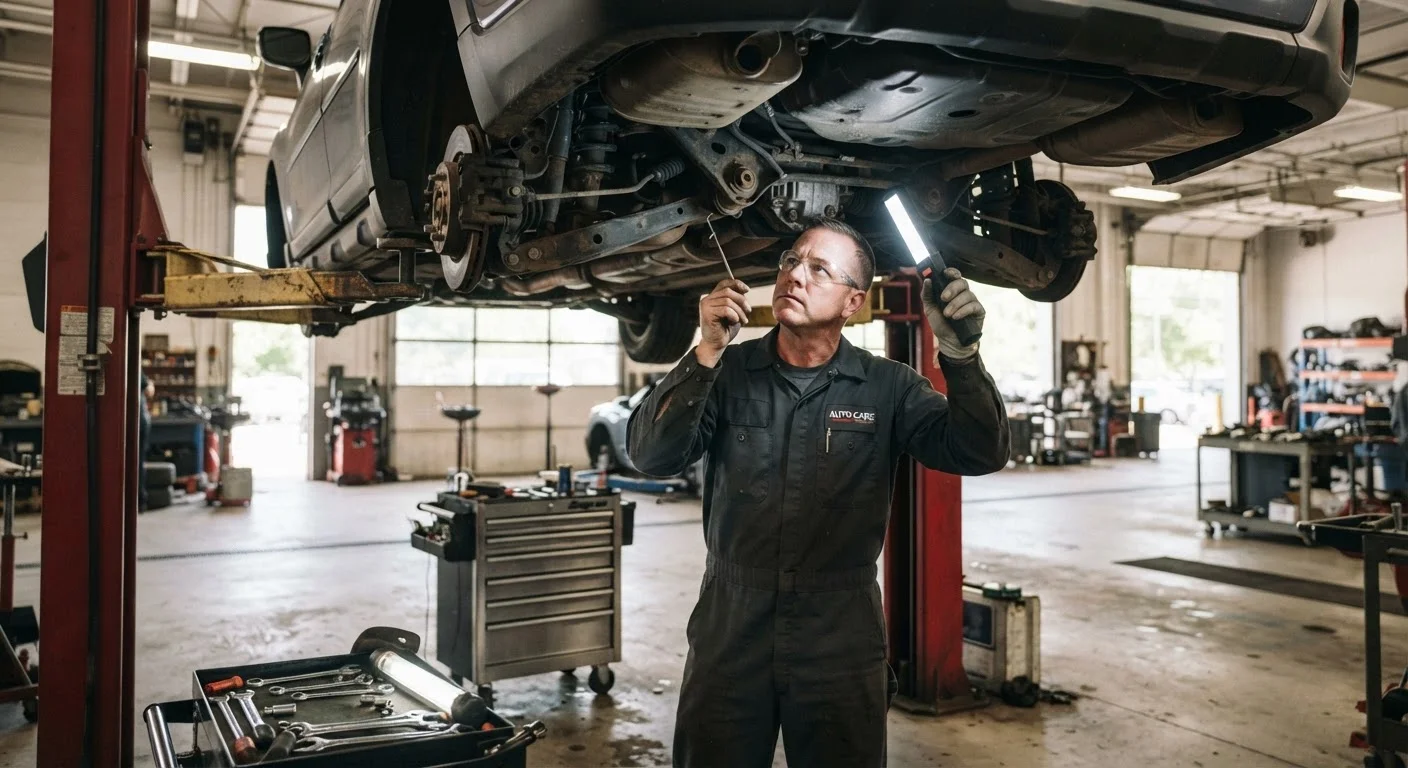
Photo: TargetReads.com | Explore Engaging Reads editorial
Key Takeaways
- Skipping oil changes, filter replacements, and fluid checks accelerates engine wear and leads to costlier repairs.
- Many maintenance intervals are set by mileage, not just time — driving habits directly affect when service is due.
- Deferred maintenance can void manufacturer warranties and complicate auto insurance claims after mechanical failure.
- Staying on schedule typically costs far less than addressing the compounding damage that delayed service causes.
The Real Cost of Waiting
Skipping a $75 oil change sounds like a reasonable short-term trade-off — until that decision contributes to a $4,000 engine repair. This is the core math that eludes many drivers: deferred maintenance rarely eliminates a cost, it multiplies it. Vehicle systems are interdependent, meaning one neglected component can degrade several others over time.
The same logic applies to other areas of routine upkeep. Just as postponing routine care quietly compounds in health, small automotive delays stack up in ways that aren't obvious until something fails. For a fuller picture of what car ownership actually costs beyond the sticker price, see our guide to car ownership costs most drivers underestimate.
~$1,200
Average annual preventable repair cost from neglected maintenance
Industry estimates from AAA suggest that skipping routine maintenance contributes to hundreds of dollars in avoidable repair costs per year for the average driver.
35%
Of roadside breakdowns linked to maintenance neglect
AAA's roadside assistance data consistently shows that a significant share of vehicle breakdowns involve issues that regular maintenance could have prevented or flagged early.
Common Mistakes That Derail Good Intentions
Most drivers don't skip maintenance out of carelessness — they do it because life gets busy, schedules are tight, or the urgency isn't visible. Understanding the specific mistakes that lead to costly neglect is the first step toward avoiding them.
Treating the oil change interval as flexible rather than fixed.
Ignoring cabin and engine air filter replacement until performance degrades noticeably.
Skipping coolant, brake fluid, and transmission fluid flushes because the car 'seems fine.'
Delaying tire rotation and alignment checks until tires wear unevenly.
Dismissing dashboard warning lights as minor annoyances.
For long-term reliability, these habits matter more than almost anything else. Our article on keeping your car in good shape over the long haul outlines the maintenance patterns that high-mileage vehicles have in common.
Protecting Your Wallet and Your Warranty
Many drivers don't realize that skipping scheduled service can affect more than the vehicle itself. Most manufacturer warranties require documented maintenance at specified intervals. Failing to keep those records — even if you perform the service yourself — can give a dealership grounds to deny a warranty claim on a related component failure.
Skipping Service Can Void Your Warranty
Auto insurance policies generally cover accidents, not mechanical breakdown. However, if an adjuster determines that a failure resulted from long-term neglect rather than a sudden event, a claim may be complicated or disputed. Keeping a simple maintenance log — whether a paper notebook in the glove box or a phone app — provides documentation that protects you in both scenarios.
Managing vehicle upkeep is also a budgeting discipline. Building service costs into your monthly expenses, rather than treating them as surprises, makes compliance easier. General guidance on building a workable monthly budget can help you allocate for routine automotive costs before they become emergencies.
Don't Rely Solely on Warning Lights
The content on this site is for informational purposes only and is not a substitute for professional advice. Always consult a qualified professional for guidance specific to your situation.