
What a Home Inspection Report Is Actually Telling You

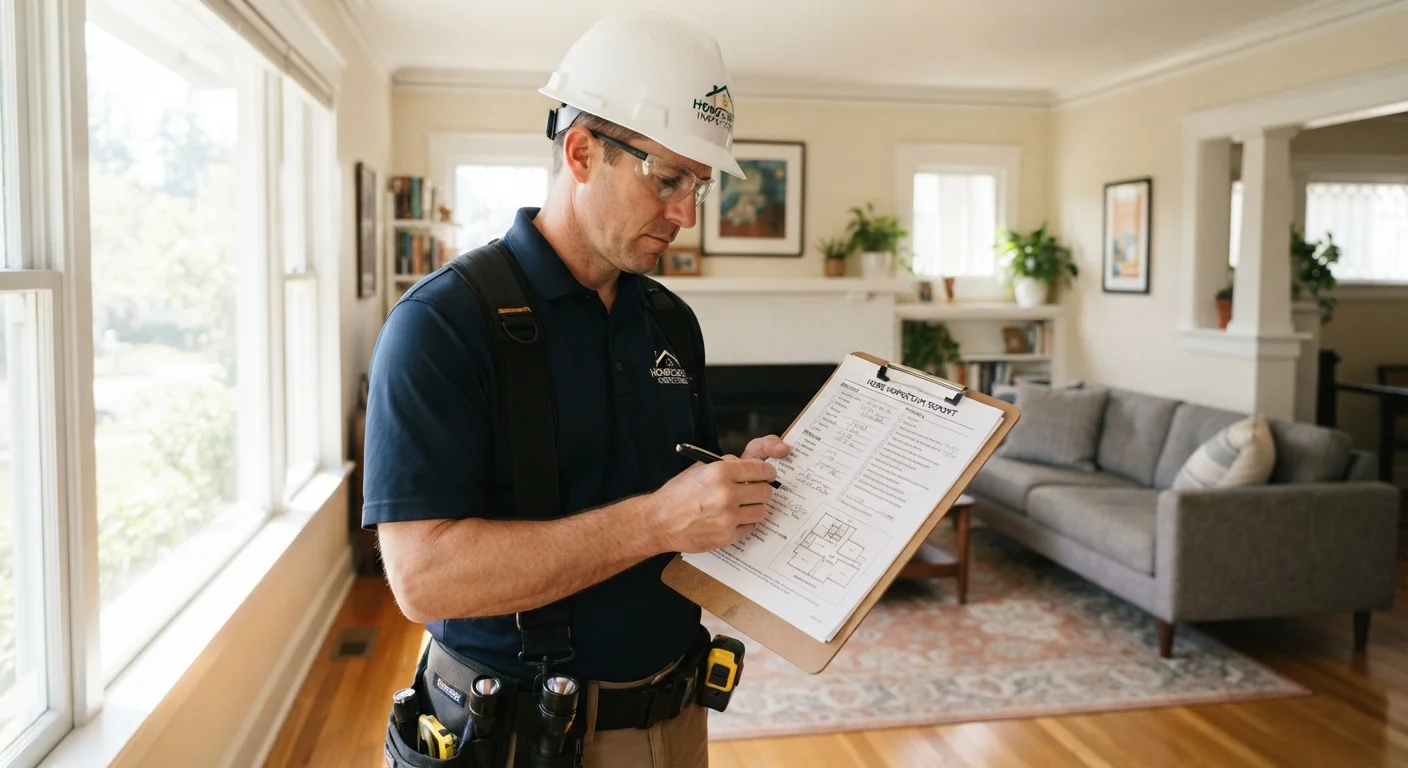
Photo: TargetReads.com | Explore Engaging Reads editorial
Key Takeaways
- Inspection reports describe condition — they don't declare a home uninhabitable or unsellable.
- Items are typically categorized by severity: safety hazards, major defects, and maintenance recommendations.
- Not every finding requires an immediate repair or a specialist — many are routine maintenance items.
- Safety-related findings — especially those involving electrical panels, gas lines, or structural elements — should always be evaluated by a licensed professional.
- A long report doesn't necessarily mean a bad home; older homes almost always generate more findings.
How Reports Are Structured
Most home inspection reports follow a consistent structure, moving through the property system by system. Expect dedicated sections for the roof, exterior, foundation, garage, electrical system, plumbing, HVAC, insulation, interior rooms, and built-in appliances. Each section includes the inspector's observations, often accompanied by photographs.
Within each section, findings are usually sorted by severity. Common classification tiers include:
- Safety hazard: Conditions posing an immediate risk of injury or illness (e.g., improperly wired outlets, carbon monoxide concerns, structural instability).
- Major defect: Systems or components that have failed or are near the end of serviceable life and will require significant repair or replacement (e.g., a failing HVAC unit, roof at end of life).
- Maintenance item: Conditions that need attention but aren't urgent — caulking around windows, minor grading issues, dirty gutters.
Reading the report in this order of priority — safety first, major defects second, maintenance third — helps you focus energy where it matters most rather than feeling overwhelmed by the full list.
Reports Describe Conditions — Not Outcomes
Findings That Deserve Immediate Professional Attention
Some inspection findings should not be left for later or approached as DIY projects. These generally include anything touching:
- Electrical panels and wiring: Outdated panels, double-tapped breakers, aluminum wiring in older homes, or exposed conductors require a licensed electrician. Electrical hazards are a leading cause of house fires.
- Gas lines and furnaces: A cracked heat exchanger or gas leak needs a licensed HVAC technician or gas utility before the system is used again.
- Structural concerns: Foundation cracks that show signs of movement, significant roof deck deterioration, or compromised load-bearing walls warrant a structural engineer's evaluation — not a handyman estimate.
- Drainage and water intrusion: Active basement water intrusion or evidence of long-term moisture inside walls can indicate foundation or grading issues that a waterproofing specialist should assess.
If your report flags any of these, treat them as non-negotiable referrals, not optional follow-ups. Because many of these systems affect your home's insurability, it's worth reviewing your policy coverage as well — see our overview of how home insurance works to understand what a standard policy typically addresses.
Always Request Specialist Reports in Writing
What Most Homeowners Can Reasonably Handle
The majority of items in a typical inspection report fall into the maintenance category — things that are genuinely manageable with basic tools and a free weekend. Common examples include:
- Recaulking around tubs, sinks, and exterior penetrations
- Replacing worn weatherstripping on doors and windows
- Cleaning gutters and adjusting downspout extensions
- Correcting minor grading near the foundation (directing soil away from the house)
- Replacing HVAC filters or cleaning accessible dryer vents
- Tightening loose cabinet hardware or fixing sticking doors caused by seasonal wood expansion
That said, appearances can be misleading. Some tasks that seem simple — like patching a wall near a water stain — can mask a larger problem underneath. Our related article on DIY home repairs homeowners often underestimate walks through which common fixes carry hidden complexity and when it's smarter to call in help.
~86%
Inspections that uncover at least one major defect
According to data compiled by the American Society of Home Inspectors (ASHI), the vast majority of home inspections reveal at least one item requiring significant attention.
30–60+
Typical pages in a home inspection report
Most comprehensive reports run this length, reflecting how many systems and components a licensed inspector is required to evaluate.
How to Put the Report to Work After Closing
If you already own the home and had an inspection done before purchase, don't file that report away and forget it. Use it as your maintenance roadmap:
- Create a prioritized repair list: Group findings by severity and estimate rough timelines — urgent items within 90 days, major items within a year, maintenance items as ongoing upkeep.
- Schedule specialist evaluations: For any finding the inspector flagged as needing further evaluation, get a qualified contractor or licensed specialist to assess it before you decide on a repair approach.
- Document what you complete: Keep receipts, contractor invoices, and before/after photos. This documentation supports insurance claims and is valuable when you eventually sell.
- Revisit annually: An inspection report is a point-in-time snapshot. Seasonal changes, aging systems, and new wear mean conditions evolve. Building a regular maintenance habit — especially heading into winter and spring — catches small issues before they become costly ones.
Understanding what your report is telling you is really about shifting your perspective: a thorough inspection isn't a list of problems with a house — it's a complete picture of what the house needs to be safe, functional, and well-maintained over time. Much like reading a mechanic's estimate before approving vehicle work, the goal is to be an informed decision-maker, not to be alarmed by the length of the document.
This article is for general informational purposes only. For complex repairs involving electrical, structural, gas, or plumbing systems, always consult a licensed professional and verify local permit requirements.
Frequently Asked Questions
The content on this site is for informational purposes only and is not a substitute for professional advice. Always consult a qualified professional for guidance specific to your situation.