
Furnished vs. Unfurnished Rentals: What the Real Trade-Offs Look Like

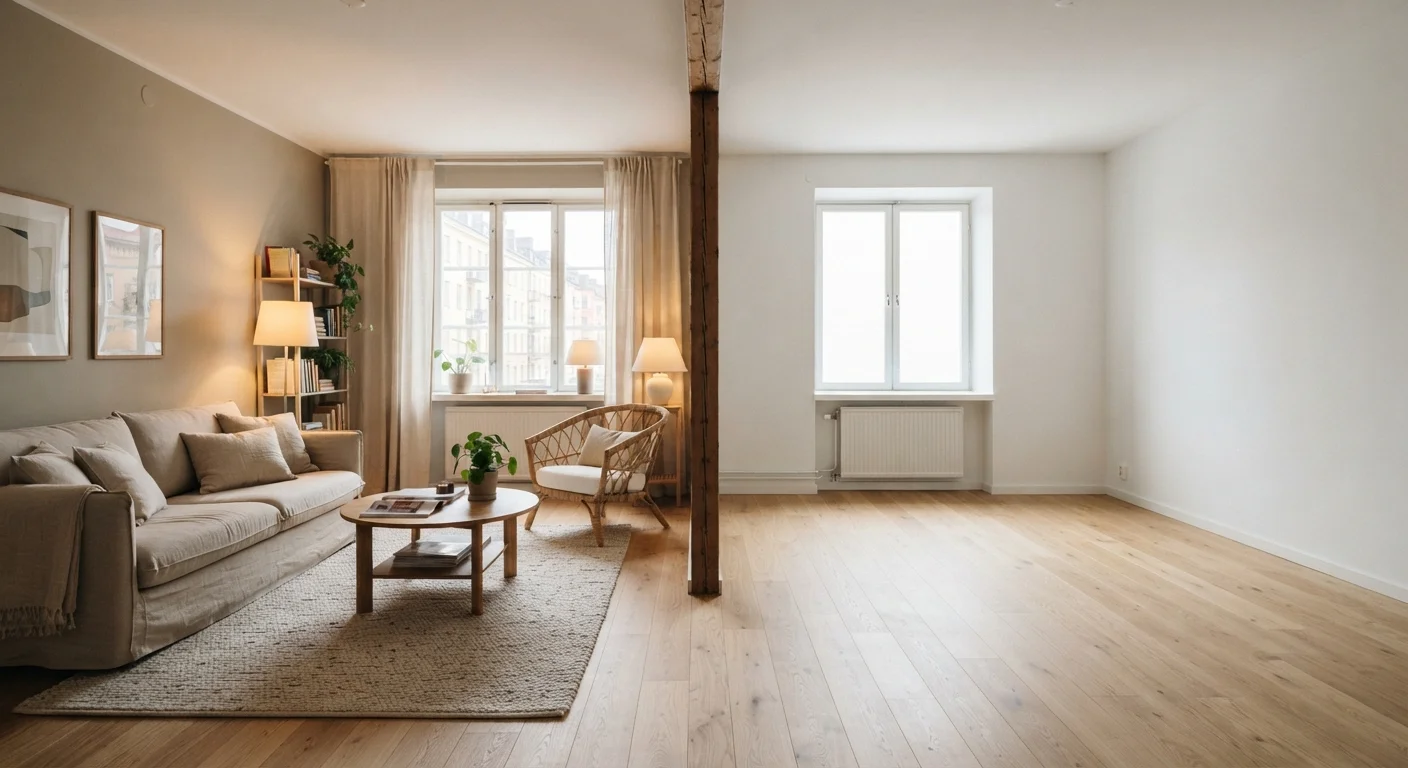
Photo: TargetReads.com | Explore Engaging Reads editorial
Key Takeaways
- Furnished rentals typically carry higher monthly rent but reduce upfront moving and furniture costs.
- Unfurnished units offer more personalization and are generally better suited to longer stays.
- Your lease length, lifestyle stability, and existing belongings should drive the decision.
- Neither option is universally cheaper — the math depends on your specific situation and timeline.
Move in immediately without buying furniture
Furnished units eliminate the need to purchase, transport, or assemble furniture before your first night — a meaningful advantage when relocating quickly or from a distance.
Lower upfront moving expenses
Without bulky furniture to transport, you may need only a small moving van or even just your car, reducing moving labor and freight costs significantly.
Practical for short-term or transitional stays
For stays under six months — corporate housing, temporary assignments, or between-home transitions — the rent premium is often less than the cost of furnishing and then disposing of furniture.
No furniture disposal headaches when you leave
At lease end, you simply pack your personal belongings; you don't need to sell, donate, or transport furniture you no longer want.
Monthly rent premium adds up quickly
Furnished units typically rent for 15–30% more than comparable unfurnished units, a gap that can exceed the cost of buying furniture outright within 12–18 months.
Limited control over style and layout
You inherit the landlord's furniture choices, which may not suit your aesthetic preferences or functional needs, and rearranging or replacing items may be restricted by the lease.
Wear-and-tear liability can be expensive
Damage to furnished items — even normal use — can result in deductions from your security deposit or direct replacement charges, since landlords often value items at retail replacement cost.
Fewer options in most US rental markets
Furnished rentals are more common in urban cores and short-term rental platforms; suburban and rural renters may find the furnished inventory too limited to be a practical choice.
How Furnished and Unfurnished Rentals Differ
A furnished rental typically includes a bed frame, mattress, sofa, dining table, and basic appliances — sometimes linens, cookware, and a television as well. What's included varies significantly by landlord and market, so always confirm the exact inventory in writing before signing. An unfurnished unit, by contrast, provides only the structural shell: walls, floors, built-in appliances like a refrigerator or stove, and sometimes window treatments.
The distinction matters because it reshapes your entire move-in cost structure. With a furnished unit, you avoid furniture purchases but pay a premium in rent. With an unfurnished unit, your monthly rent is lower, but you absorb the cost of acquiring everything yourself. Understanding this trade-off as a financial equation — not just a convenience question — is the starting point for making a clear-headed decision. See our guide to fixed vs. variable expenses to understand how your rent choice fits into a monthly budget.
Pros and Cons of Furnished Rentals
Furnished units remove a major logistical burden at move-in. For renters relocating across state lines, moving internationally, or landing in a city temporarily for work, not shipping furniture can save hundreds or even thousands of dollars in freight and moving labor. The convenience is real — but so is the cost.
Move in immediately without buying furniture
Furnished units eliminate the need to purchase, transport, or assemble furniture before your first night — a meaningful advantage when relocating quickly or from a distance.
Lower upfront moving expenses
Without bulky furniture to transport, you may need only a small moving van or even just your car, reducing moving labor and freight costs significantly.
Practical for short-term or transitional stays
For stays under six months — corporate housing, temporary assignments, or between-home transitions — the rent premium is often less than the cost of furnishing and then disposing of furniture.
No furniture disposal headaches when you leave
At lease end, you simply pack your personal belongings; you don't need to sell, donate, or transport furniture you no longer want.
The disadvantages are equally concrete. Landlords typically charge 15–30% more per month for furnished units, according to rental market analyses, and that premium compounds quickly over a 12-month lease. You also inherit someone else's aesthetic choices, and wear-and-tear liability can be murky. If you damage an item — even accidentally — you may be responsible for replacement at retail cost. Furnished rentals are also less common in most suburban and rural markets, limiting your options.
Monthly rent premium adds up quickly
Furnished units typically rent for 15–30% more than comparable unfurnished units, a gap that can exceed the cost of buying furniture outright within 12–18 months.
Limited control over style and layout
You inherit the landlord's furniture choices, which may not suit your aesthetic preferences or functional needs, and rearranging or replacing items may be restricted by the lease.
Wear-and-tear liability can be expensive
Damage to furnished items — even normal use — can result in deductions from your security deposit or direct replacement charges, since landlords often value items at retail replacement cost.
Fewer options in most US rental markets
Furnished rentals are more common in urban cores and short-term rental platforms; suburban and rural renters may find the furnished inventory too limited to be a practical choice.
The Real Cost Comparison Over Time
The furnished rental math often favors unfurnished at the 12-month mark or beyond. Consider a simplified example: if a furnished unit rents for $300 more per month than a comparable unfurnished unit, that's $3,600 extra per year. A functional set of secondhand furniture — bed, sofa, dining table, dresser — can often be sourced for less than that total, especially if you're strategic. Thrifting vs. buying new is a useful frame for anyone furnishing on a budget.
15–30%
Typical furnished rental premium over unfurnished
Rental market analyses across major US cities consistently show furnished units command this monthly surcharge compared to unfurnished equivalents in the same building or neighborhood.
~6 months
Break-even point for furnishing costs vs. premium rent
For many renters, the cumulative rent premium on a furnished unit surpasses the cost of acquiring basic secondhand furniture within approximately six months, making unfurnished more cost-effective beyond that point.
For stays under six months, the math frequently reverses: paying the rent premium beats acquiring, transporting, and later selling or donating furniture you'll only use briefly. Before committing, account for the full scope of moving costs, not just monthly rent.
What 'Furnished' Actually Includes Varies Widely
Which Option Fits Your Situation
Your lease type is a useful filter. If you're signing a month-to-month or short fixed-term agreement, furnished often makes more sense. If you're committing to a year or longer, the monthly premium of furnished units is harder to justify. Our comparison of lease types breaks down how these agreements differ beyond just their length.
Lifestyle stability matters too. Renters who move frequently — due to contract work, graduate school rotations, or personal preference — often find furnished units reduce transition friction significantly. Renters who expect to stay in one place for two or more years almost always come out ahead financially with an unfurnished unit, even after accounting for furnishing costs. If you're sharing a space, splitting furniture costs with roommates can make unfurnished even more affordable.
Finally, consider what you already own. Moving into a furnished apartment when you already have a full set of furniture creates an immediate problem: storage fees, sale logistics, or leaving belongings behind. Factor in those transition costs before treating a furnished listing as straightforwardly convenient.
The content on this site is for informational purposes only and is not a substitute for professional advice. Always consult a qualified professional for guidance specific to your situation.