
Hidden Moving Costs That Catch Renters Off Guard

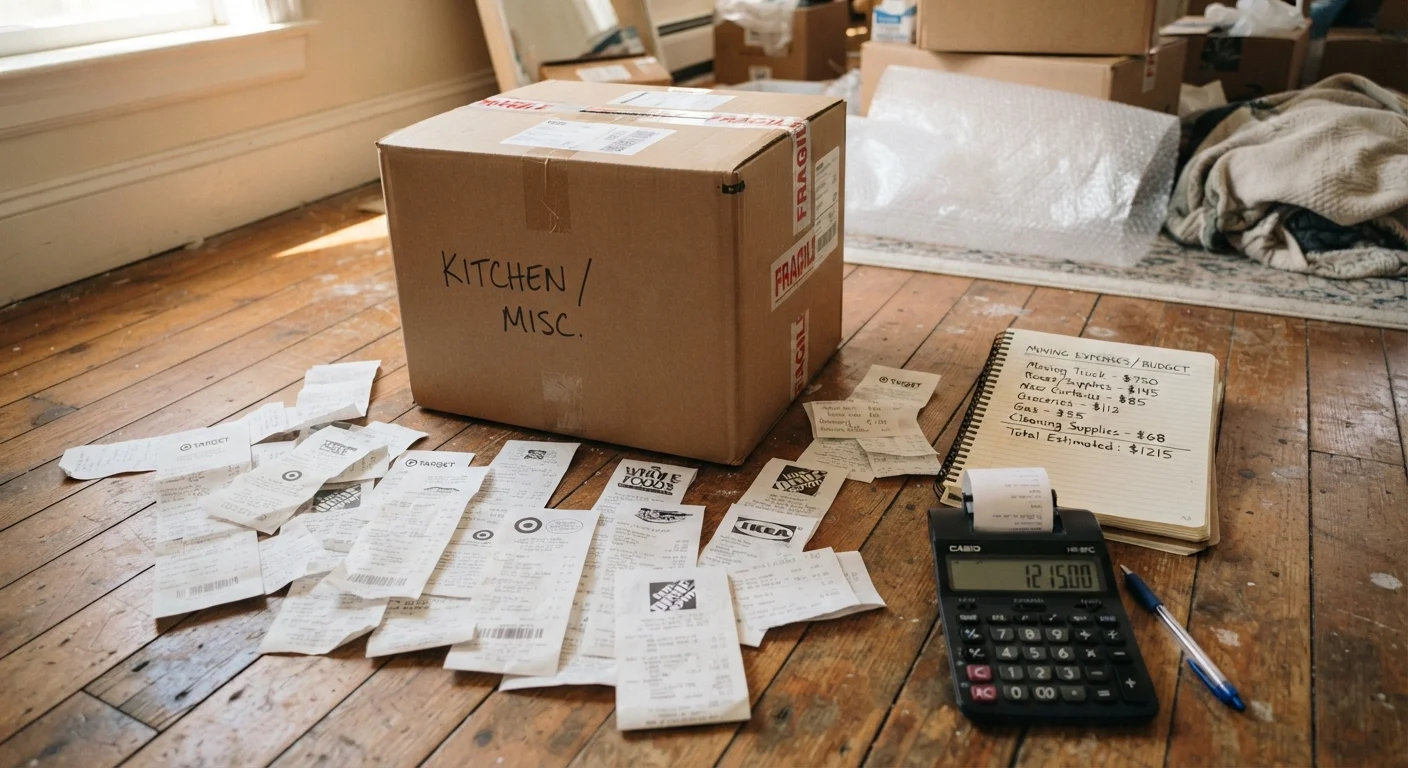
Photo: TargetReads.com | Explore Engaging Reads editorial
Key Takeaways
- Security deposits, pet fees, and utility setup costs can add hundreds before you move a single box.
- Packing supplies, moving insurance, and storage fees are commonly overlooked budget items.
- Building a line-by-line moving budget helps prevent financial surprises on move-in day.
- Renters insurance is an affordable safeguard often forgotten during the moving rush.
- Overlap in rent payments between your old and new place is a frequent hidden expense.
Why Moving Costs More Than Most People Expect
Most renters budget for the obvious stuff: first month's rent, the security deposit, and a moving truck. Then move-in day arrives and the real tally begins. Parking fees, elevator reservations, a new set of keys — the charges accumulate in ways that are easy to miss during the excitement of finding a new place.
The good news is that hidden moving costs are entirely predictable once you know where to look. Working through them in advance — line by line — is one of the most practical things you can do before committing to a move date. If you're also weighing what kind of apartment to rent, our guide to furnished vs. unfurnished rentals can help you factor in those trade-offs early. For a broader view of building a workable budget, the Budgeting Basics hub is a useful starting point.
Move-In Fees Charged by the Building
Many apartment buildings — particularly larger complexes — charge a separate, non-refundable move-in fee on top of the security deposit. This can range from a flat amount to a percentage of monthly rent. Some buildings also require a refundable elevator deposit if you need to reserve a freight elevator for the day. Ask your property manager for a complete list of move-in charges before you sign anything.
Move-in fees are separate from your security deposit and are often non-refundable.
Packing Supplies Add Up Quickly
Boxes, packing tape, bubble wrap, and furniture pads are easy to underestimate. A one-bedroom apartment typically requires more supplies than most people expect, especially for fragile items like dishes or electronics. Factor this cost into your budget explicitly. Liquor stores, bookstores, and community groups sometimes offer free boxes, which can meaningfully reduce this line item.
Packing materials for even a small apartment can cost more than most movers anticipate.
Overlapping Rent Between Old and New Units
Unless your old lease ends exactly when your new one begins, you may be paying rent on two places at once. Even a two-week overlap can represent a significant expense. When possible, try to time your move so leases align — or negotiate a later start date on your new lease if the landlord allows it.
Overlapping leases mean double rent, a cost that often goes unplanned until it hits.
Utility Setup and Transfer Fees
Activating electricity, gas, water, and internet at a new address sometimes involves setup fees or deposits, especially if you don't have an established payment history with that utility provider. Internet installation alone can include equipment fees and a technician visit charge. Contact each provider before your move date to understand what to expect.
Utility deposits and installation charges can add up to several hundred dollars at move-in.
Moving Insurance or Valuation Coverage
Standard moving company contracts typically include only minimal liability coverage — often based on weight rather than actual value. If your movers damage a piece of furniture or electronics, basic coverage may reimburse far less than the item is worth. You can often purchase additional valuation coverage through the moving company, or check whether your renters insurance policy covers goods in transit. Speaking of which, renters insurance itself is a cost many new renters forget to budget for upfront — it's generally affordable and worth factoring in from day one. The Life & Other Insurance hub has a helpful overview of how renters insurance works.
Basic mover liability rarely reflects actual item value — additional coverage is worth considering.
Short-Term Storage Costs
If there's a gap between your move-out and move-in dates, or your new place isn't ready on time, you may need short-term storage. Monthly storage unit rates vary widely by size and location. Even a brief storage period — one or two weeks — adds a real cost to your move that's easy to overlook when you're focused on logistics.
Even a short storage gap between leases can mean a meaningful unplanned expense.
Pet-Related Deposits and Fees
If you have a pet, expect additional costs beyond the standard security deposit. Many landlords charge a separate pet deposit (which may or may not be refundable), a monthly pet rent, or a one-time non-refundable pet fee. These charges vary significantly by building and lease, so read the pet policy carefully before signing. The first apartment walkthrough guide covers what to look for in lease terms, including pet policies.
Pet deposits, monthly pet rent, and one-time fees can add hundreds to your move-in costs.
Build Your Moving Budget Before You Book Anything
Once you've identified the costs that typically blindside renters, you're in a much stronger position to plan. Collect quotes, call your new building's management office to ask about move-in fees, and contact utility providers before your move date. If your move crosses state lines, the complexity grows significantly — our long-distance move overview walks through the extra logistics involved.
Create a Line-by-Line Moving Budget
One more step worth taking before you hand over any deposit: document the new unit thoroughly before you unpack a single box. Our room-by-room apartment inspection checklist helps you record existing damage so you're not held responsible for it later.
This article is for general informational purposes only and does not constitute financial or legal advice. Costs and lease terms vary by location and landlord. Consult a qualified professional for guidance specific to your situation.
The content on this site is for informational purposes only and is not a substitute for professional advice. Always consult a qualified professional for guidance specific to your situation.