
What a Security Deposit Actually Covers — and What It Doesn't

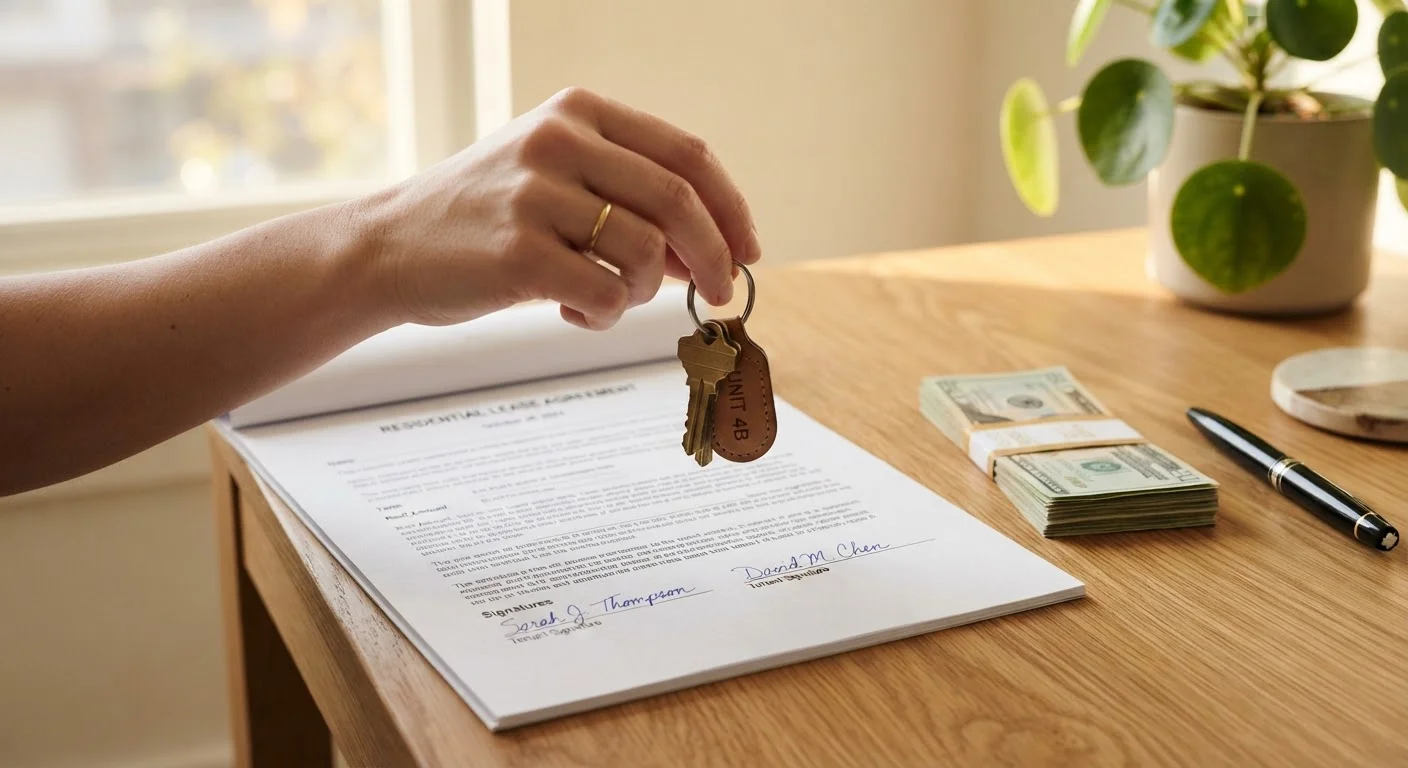
Photo: TargetReads.com | Explore Engaging Reads editorial
Key Takeaways
- Landlords can deduct for unpaid rent and damage beyond normal wear and tear — but not for ordinary aging.
- Most states require landlords to return deposits and provide an itemized statement within a legally defined deadline.
- Tenants who document move-in and move-out conditions have a stronger position in any deposit dispute.
- Deposit rules vary significantly by state; always verify your local statutes.
- A security deposit is not a substitute for renters insurance, which covers your personal property separately.
What Landlords Are Legally Allowed to Deduct
A security deposit exists to protect a landlord from specific, documented financial losses — not to serve as a general fund for refurbishing a unit between tenants. Across most U.S. states, lawful deductions fall into a few clear categories:
- Unpaid rent: If a tenant leaves with rent still owed, the landlord can apply the deposit toward that balance.
- Tenant-caused damage: Damage that goes beyond what's expected from ordinary living — such as broken appliances, burn marks, large holes in drywall, or pet damage not accounted for elsewhere — is generally deductible.
- Excessive cleaning costs: If a unit is left in a substantially worse condition than when the tenant moved in, documented cleaning expenses may be deducted.
- Unreturned keys or access devices: The cost of rekeying or replacing key fobs can typically be charged against the deposit.
Landlords are generally required to provide an itemized written statement alongside any partial or full deduction. Vague or undocumented charges are often unenforceable. See our guide on common deposit disputes for a closer look at how these situations play out.
14–45 days
Typical state deadline to return a deposit
State landlord-tenant statutes set the return window; missing it can cost landlords the right to make any deductions.
2x–3x
Penalty landlords may owe for wrongful withholding
Many states allow tenants to sue for double or triple the withheld amount in small claims court if a landlord violates deposit rules.
1–2 months
Common statutory deposit limit
Most states cap security deposits at one or two months' rent, though the specific limit depends on local law.
What a Security Deposit Cannot Cover
This is where many landlords overstep — and where tenants most often lose money they're legally owed. Understanding what's not deductible is just as important as knowing what is.
Normal Wear and Tear
Every state recognizes the concept of normal wear and tear, though it isn't always defined in the same way. In plain terms, it refers to the gradual, minor deterioration that results from regular use of a home — not from neglect or misuse. Examples typically include:
- Small nail holes from hanging pictures
- Faded paint or minor scuffs on walls
- Worn carpet in high-traffic areas
- Loose door handles from frequent use
Landlords cannot legally charge tenants for these conditions. Repainting a unit between every tenant is considered a normal business cost of property ownership.
Pre-Existing Damage
If damage existed before you moved in, you cannot be charged for it at move-out. This is why a thorough move-in inspection — with photos and a written record acknowledged by the landlord — is essential protection. Check your renter's legal rights to understand what documentation landlords are required to provide at lease signing.
Take Photos on Move-In Day — Every Time
How to Protect Your Deposit From Move-In to Move-Out
Most deposit disputes are preventable with consistent documentation. The following practices give tenants the clearest path to a full return:
- Conduct a written move-in inspection. Walk through the unit with the landlord, note every existing scuff, stain, and damaged item, and have both parties sign the form. Keep a copy.
- Photograph everything on day one. Timestamped photos of each room, appliance, and fixture create an objective baseline that's difficult to dispute.
- Repeat the process at move-out. Take photos on your final day, ideally before returning keys, and request a move-out walk-through with the landlord if your state allows it.
- Clean thoroughly before leaving. Even if a unit was not spotless when you arrived, leaving it in comparable or better condition eliminates one of the most common deduction justifications.
- Track the return deadline. Know your state's required return timeline and follow up in writing if the deadline passes without a response.
It's also worth understanding that a security deposit is separate from renters insurance — the deposit protects the landlord, while renters insurance protects you. Our plain-language guide to renters insurance explains how those protections work alongside each other.
“Tenants often don't realize that the law is on their side when it comes to security deposits. Most states have clear, enforceable rules — the problem is that renters simply don't know what those rules are.”
— National Housing Law Project, Nonprofit organization focused on advancing housing rights for low-income individuals
This article is for general informational purposes only and does not constitute legal advice. Deposit laws vary by state and locality. Consult a qualified attorney or tenant-rights organization for guidance specific to your situation.
Frequently Asked Questions
The content on this site is for informational purposes only and is not a substitute for professional advice. Always consult a qualified professional for guidance specific to your situation.