Annual Vet Visits: What They Actually Check and Why It Matters

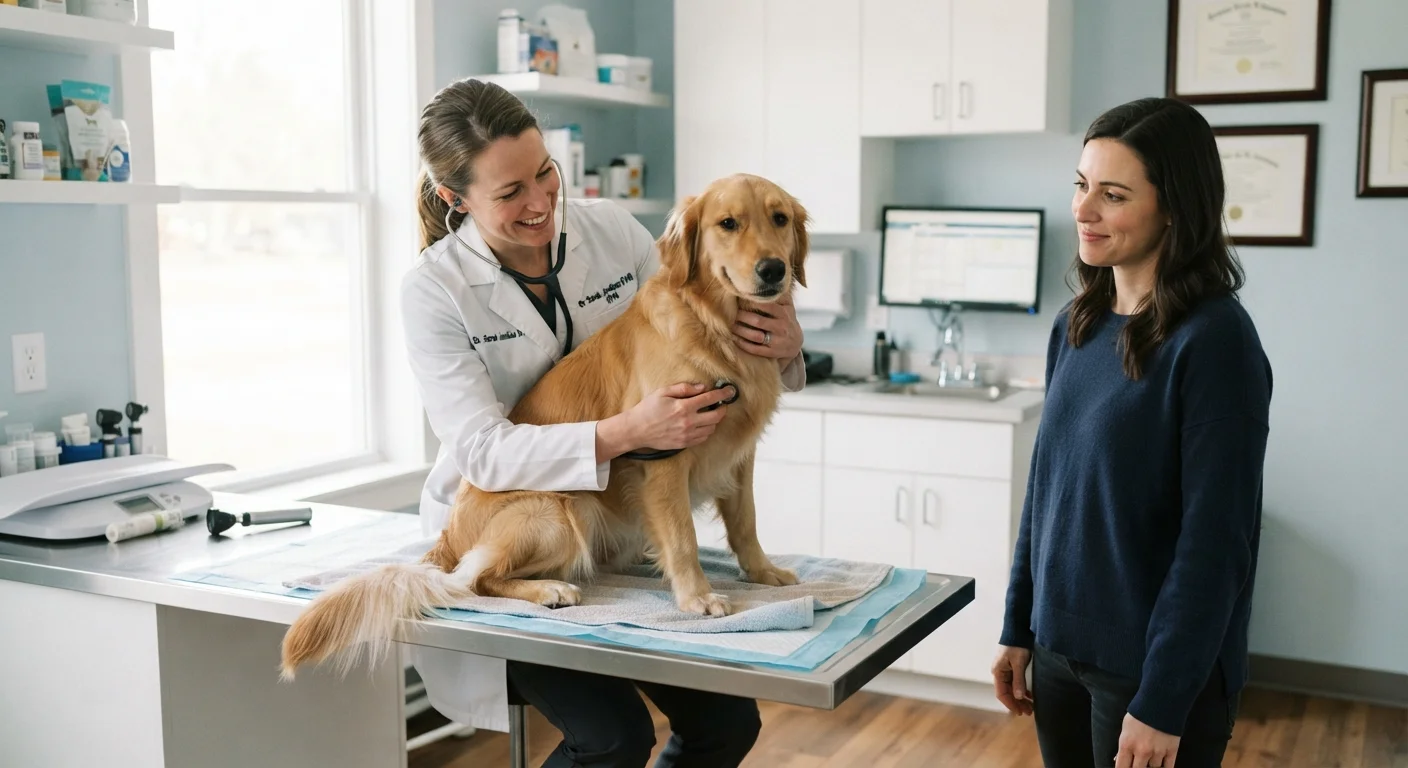
Photo: TargetReads.com | Explore Engaging Reads editorial
Key Takeaways
- A wellness exam covers far more than vaccines — it's a complete physical assessment of your pet.
- Vets use the exam to establish baselines, making future changes easier to detect.
- Many serious conditions, including heart disease and early kidney disease, have no obvious symptoms in early stages.
- Annual visits typically include weight assessment, dental evaluation, and parasite screening.
- Bringing notes on your pet's behavior and diet helps your vet make better-informed decisions.
- Senior pets usually benefit from checkups every six months rather than once a year.
What the Vet Is Actually Doing During That Exam
To a pet owner watching from across the table, a wellness exam can look like a quick once-over. In practice, your veterinarian is moving through a systematic physical assessment designed to evaluate nearly every organ system in your pet's body.
Here's what a typical exam covers:
- Weight and body condition: Weight changes — even gradual ones — can signal thyroid issues, metabolic disease, or nutritional imbalances. Vets use a standardized body condition score to assess fat and muscle distribution beyond just the number on the scale.
- Eyes, ears, and nose: Cloudiness, discharge, or redness can indicate infection, allergies, or systemic disease. Early cataract formation or ear infection is often caught here before owners notice.
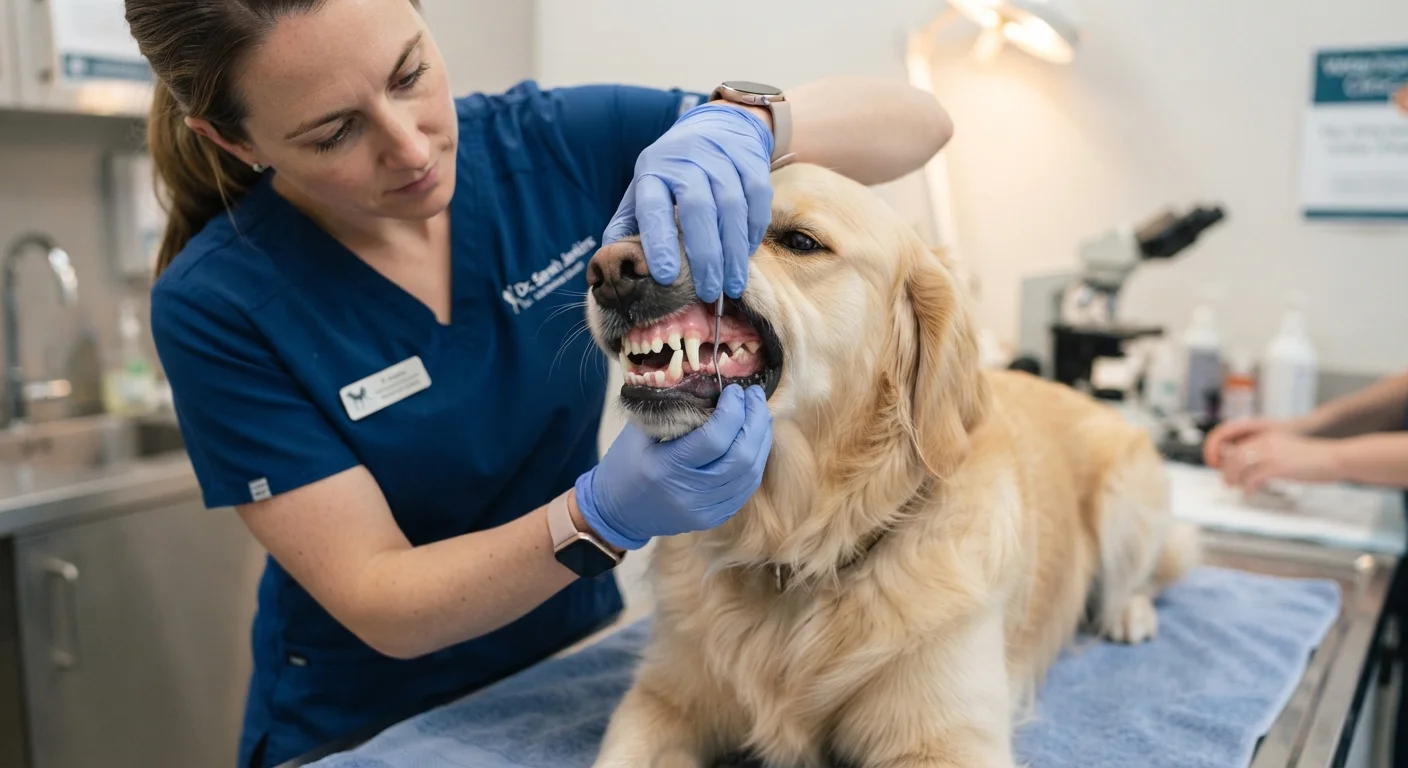
- Mouth and teeth: Dental disease affects the majority of pets over age three and is linked to heart, kidney, and liver complications. A quick oral exam can identify tartar buildup, gum inflammation, or broken teeth.
- Heart and lungs: Using a stethoscope, vets listen for murmurs, irregular rhythms, or abnormal breath sounds — none of which are visible or audible to owners at home.
- Abdomen: Palpation of the belly checks organ size and identifies any unusual masses, fluid, or pain responses.
- Skin and coat: Dryness, hair loss, lumps, or parasites are assessed visually and by touch.
- Lymph nodes and musculoskeletal system: Swollen lymph nodes can signal infection or immune system issues; joint stiffness or muscle atrophy may indicate early arthritis.
~80%
Pets over 3 with some dental disease
The American Veterinary Medical Association notes that the majority of dogs and cats show signs of dental disease by age three, most often detected during routine wellness exams.
2x/year
Recommended exam frequency for senior pets
Veterinary consensus generally supports biannual wellness exams for pets aged 7 and older, given the accelerated pace of age-related health changes in dogs and cats.
1 in 3
Cats diagnosed with kidney disease in lifetime
Chronic kidney disease is one of the most common conditions in aging cats, and early detection through routine bloodwork during wellness visits is central to managing it effectively.
Why "My Pet Seems Fine" Isn't Enough
Pets are biologically wired to mask discomfort — a survival instinct that can work against owners trying to gauge their animal's health at home. Many serious conditions, including early kidney disease, hypertension, and dental infection, produce no behavior changes until they've progressed significantly.
This is why the annual exam matters even when everything looks normal. Vets use each visit to establish or update baseline values — your pet's individual normal ranges for weight, bloodwork, and physical findings. When something does shift, that baseline is what allows the vet to say definitively that a change has occurred, rather than guessing.
“The physical exam is one of the most powerful diagnostic tools we have. It costs nothing extra and tells us an enormous amount — but only if it's done regularly enough to detect change over time.”
— Dr. Karen Becker, Integrative and proactive animal health advocate, veterinarian
Routine bloodwork and urinalysis, often recommended at annual or biannual visits especially for senior pets, can reveal kidney or liver function changes, diabetes markers, and blood cell abnormalities long before clinical signs appear. Early detection routinely expands the available treatment options and, in many cases, the pet's quality of life.
Preventive Measures That Happen at the Same Visit
Beyond the physical exam, the annual visit is also the natural checkpoint for your pet's ongoing preventive care. Your vet will review and update:
- Vaccinations: Core vaccines protect against diseases like rabies and distemper; non-core vaccines depend on your pet's lifestyle and exposure risks. Vaccination schedules explained for dogs and cats can help you understand what your pet needs and when.
- Parasite prevention: Heartworm testing, flea and tick prevention, and intestinal parasite screening (via stool sample) are standard components of most annual visits.
- Nutritional guidance: Life stage, weight, and any health findings may prompt your vet to recommend dietary adjustments.
- Behavioral concerns: This is a good time to raise questions about anxiety, house soiling, aggression, or other behavioral changes — vets can rule out medical causes and recommend appropriate resources.
Prepare Before You Walk In
If you want to get even more out of your next appointment, the Pet Wellness Exam Prep Checklist walks through exactly what to observe, bring, and ask ahead of time.
This article provides general educational information about veterinary wellness care and is not a substitute for professional veterinary advice. Always consult a licensed veterinarian for guidance specific to your pet's health.
Frequently Asked Questions
The content on this site is for informational purposes only and is not a substitute for professional advice. Always consult a qualified professional for guidance specific to your situation.