Vaccination Schedules Demystified for Dog and Cat Owners


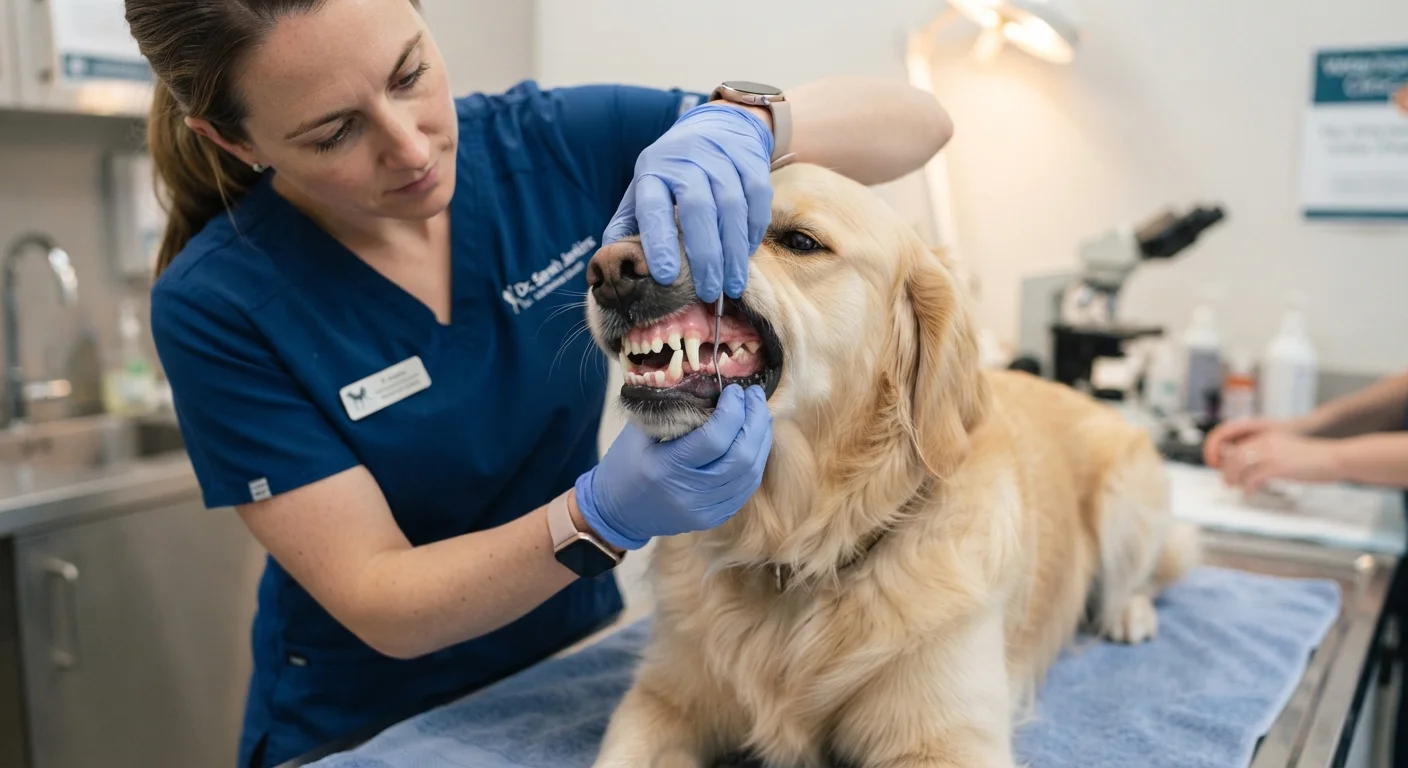
Photo: TargetReads.com | Explore Engaging Reads editorial
Core vs. Non-Core Vaccines: What the Terms Mean
Veterinary organizations classify pet vaccines into two categories: core and non-core. Understanding this distinction helps you have more productive conversations with your vet.
Core vaccine
A vaccine recommended for all pets of a given species because the disease it prevents is serious, widespread, or poses a public health risk. Examples include rabies and parvovirus.
Non-core vaccine
A vaccine given selectively based on an individual pet's lifestyle, geographic location, and risk factors. Your vet will advise whether these apply to your pet.
Maternal antibodies
Protective proteins passed from mother to offspring through colostrum. They provide temporary immunity but fade during the first weeks of life, creating the window when vaccinations become necessary.
Titer test
A blood test that measures the level of existing antibodies against a specific disease. Used to assess whether a booster vaccination may be needed, though it does not replace legally required vaccines.
DHPP
A combination vaccine for dogs covering distemper, hepatitis (adenovirus), parainfluenza, and parvovirus. Often called the 'distemper shot,' it is a core vaccine given as a series in puppies.
FVRCP
A core combination vaccine for cats protecting against feline herpesvirus (rhinotracheitis), calicivirus, and panleukopenia. Administered as a series in kittens with periodic adult boosters.
Core vaccines are recommended for virtually every dog or cat, regardless of lifestyle, because the diseases they prevent are widespread, severe, or transmissible to humans. Non-core vaccines are given selectively — your vet will recommend them based on your pet's environment, travel habits, and risk exposure.
For dogs, core vaccines include distemper, adenovirus (hepatitis), parvovirus, and rabies — often combined in the DHPP shot. For cats, the core set covers feline herpesvirus, calicivirus, panleukopenia (the FVRCP combination), and rabies. Rabies vaccination is also legally required in most U.S. states for both species.
Puppy and Kitten Schedules: Timing Is Critical
Young animals receive maternal antibodies through colostrum (their mother's first milk), but these protections fade between 6 and 16 weeks of age. Because the exact timing varies by individual, vets use a series of shots during this window rather than a single dose.
| Core dog vaccines | Distemper, hepatitis, parvovirus, parainfluenza (DHPP), rabies (American Animal Hospital Association (AAHA) Canine Vaccination Guidelines) |
| Core cat vaccines | Feline herpesvirus, calicivirus, panleukopenia (FVRCP), rabies (American Association of Feline Practitioners (AAFP) Feline Vaccination Advisory Panel) |
| Puppy series start age | 6–8 weeks (AAHA Canine Vaccination Guidelines) |
| Kitten series start age | 6–8 weeks (AAFP Feline Vaccination Advisory Panel) |
| Adult DHPP/FVRCP booster interval | Every 3 years (low-risk adults after 1-year post-series booster) (AAHA and AAFP vaccination guidelines) |
| Rabies vaccine requirement | Legally required in most U.S. states for dogs and cats (State and local public health regulations vary) |
Puppies
- 6–8 weeks: First DHPP (distemper, hepatitis, parainfluenza, parvovirus)
- 10–12 weeks: Second DHPP booster
- 14–16 weeks: Third DHPP booster; rabies vaccine (timing may vary by local law)
- 12–16 months: Boosters for DHPP and rabies
Kittens
- 6–8 weeks: First FVRCP
- 10–12 weeks: Second FVRCP booster
- 14–16 weeks: Third FVRCP booster; rabies vaccine
- 12–16 months: Boosters for FVRCP and rabies
Keep in mind that socialization and vaccine timing overlap. See our guide to the puppy socialization window for advice on safely exposing your puppy to the world before the series is complete.
Adult Boosters and Non-Core Vaccines
After the initial puppy or kitten series, most core vaccines shift to a longer booster interval. DHPP and FVRCP are typically given one year after the final puppy/kitten dose, then every three years for low-risk adult pets. Rabies follows either a one-year or three-year cycle depending on which vaccine is used and local regulations.
Non-core vaccines to discuss with your vet include:
- Dogs: Bordetella (kennel cough), leptospirosis, Lyme disease, canine influenza
- Cats: Feline leukemia virus (FeLV — often considered core for kittens), feline immunodeficiency virus (FIV), Bordetella
A dog who boards frequently or visits dog parks has a different risk profile than one who rarely leaves the yard. Your vet's recommendation will reflect those specifics. To get the most from that conversation, our pet wellness exam prep checklist can help you walk in prepared.
When Your Pet Missed Vaccines: Catch-Up Protocols Exist
Managing Records, Titer Testing, and Senior Considerations
Keep a written or digital copy of your pet's vaccination records. Many boarding facilities, groomers, and dog parks require proof of vaccination, and records are invaluable if you move or change vets.
Titer testing is a blood test that measures your pet's existing antibody levels for specific diseases. Some owners use titers to determine whether a booster is truly needed rather than vaccinating on a fixed schedule. Titer tests are a legitimate option worth discussing with your vet, though they aren't universally accepted in lieu of proof of vaccination for boarding or travel, and they don't replace rabies vaccination requirements.
As pets age, vaccination needs may shift. Older pets with certain health conditions may benefit from adjusted schedules — another reason that annual wellness exams remain important throughout a pet's life. For a broader look at how health needs evolve, see our overview of senior pet care.
This article provides general educational information about pet vaccination and is not a substitute for personalized veterinary advice. Always consult a licensed veterinarian to determine the appropriate vaccination schedule for your individual pet.
The content on this site is for informational purposes only and is not a substitute for professional advice. Always consult a qualified professional for guidance specific to your situation.